The debate over the Uniform Civil Code (UCC) is once again gaining political attention in Uttar Pradesh after Union Home Minister Amit Shah said that the law would be implemented in all states governed by the National Democratic Alliance (NDA) before 2029. The statement has brought the issue back into focus in Uttar Pradesh, where the BJP-led government is preparing for the 2027 Assembly elections. While the Bharatiya Janata Party has maintained a clear position in favour of the UCC, its alliance partners in the state have so far avoided making a detailed public commitment on the issue.
Amit Shah's 2029 deadline puts UCC back in focus
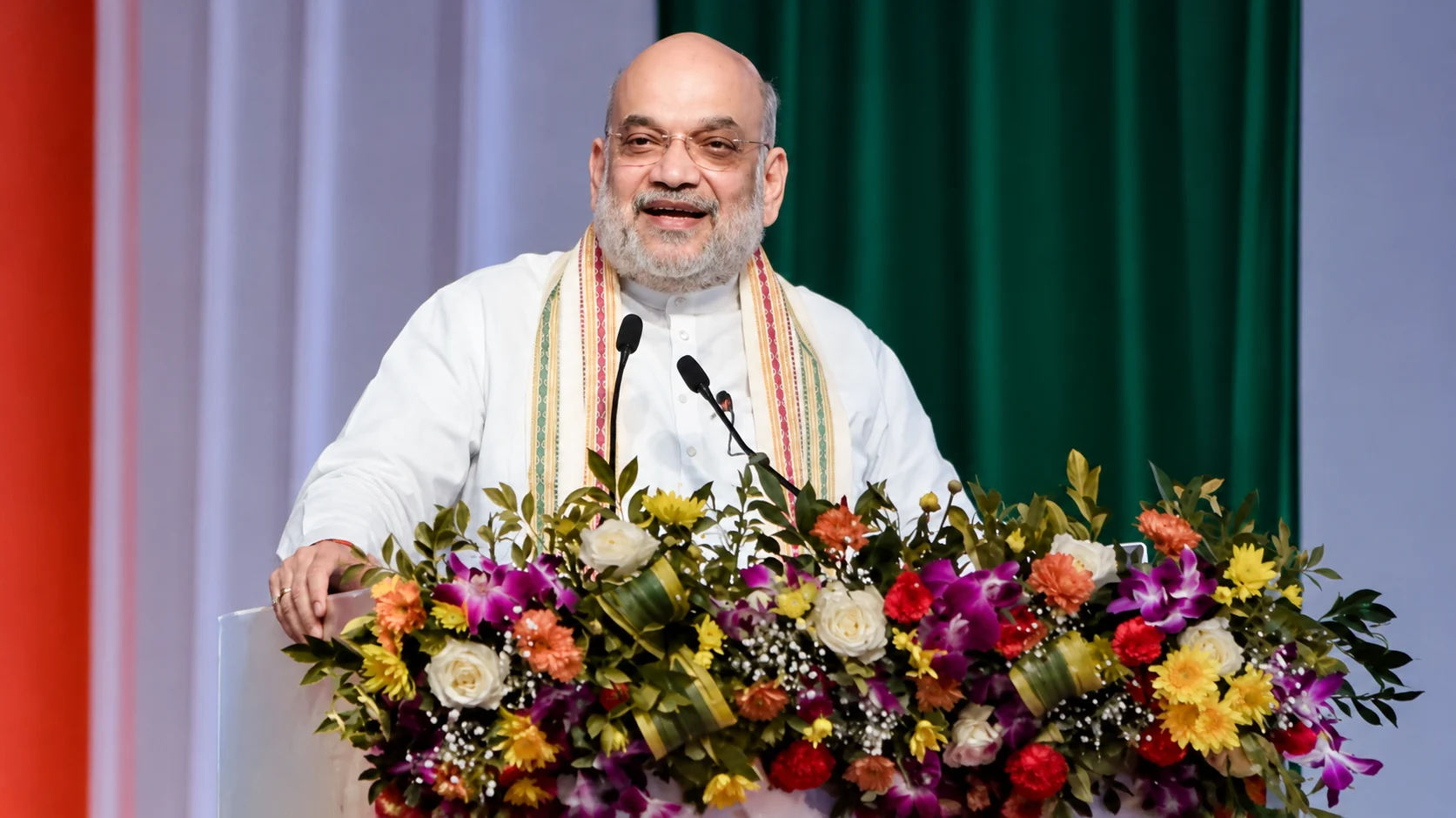
Speaking on September 13, Amit Shah said that the NDA government would work towards implementing the Uniform Civil Code in all 21 NDA-ruled states before the 2029 Lok Sabha elections. The statement is significant because the BJP has consistently identified the UCC as one of its major ideological priorities. The party has historically placed the issue alongside the construction of the Ram Temple in Ayodhya and the abrogation of Article 370 as key elements of its political agenda. With two of these issues having already seen major developments, attention has increasingly shifted towards the implementation of a common civil code.
BJP maintains its commitment to UCC
The Uttar Pradesh BJP has reiterated that the party remains committed to the implementation of the Uniform Civil Code. State BJP chief spokesperson Dinesh Pratap Singh said the UCC has been part of the party's core agenda and election commitments for years. Following the Home Minister's latest statement, the state government is expected to consider the issue and determine the next steps. However, the exact form and timing of any legislative move in Uttar Pradesh remain important questions.
BJP allies yet to take a clear position
The biggest uncertainty within the ruling alliance concerns the position of BJP's partners in Uttar Pradesh. Several NDA allies have previously expressed different views on issues involving personal laws and social reforms. While some have indicated that they are not fundamentally opposed to the concept of a common civil framework, they have also stressed the importance of consultation and addressing concerns raised by different communities. In Uttar Pradesh, the alliance partners have not yet made a detailed public declaration on whether they would support a UCC Bill in its eventual form. Their response could become increasingly important if the state government begins a formal process towards drafting or introducing legislation.
What would a Uniform Civil Code cover?
The Uniform Civil Code broadly refers to a common set of rules governing personal matters for citizens, irrespective of their religion. Issues that can come under the broader UCC debate include marriage, divorce, inheritance, adoption and related personal-law matters. At present, India's personal-law framework includes provisions influenced by different religious traditions. Supporters of the UCC argue that common rules could create greater uniformity in civil matters, while critics have raised questions about religious practices, constitutional protections and the way such a law could affect different communities. The details of any proposed legislation therefore remain crucial to understanding its potential impact.
Uttar Pradesh presents a politically sensitive challenge
The issue carries particular significance in Uttar Pradesh because of the state's size and diverse social composition. The BJP has already made several major political issues central to its campaigns in the state. With the 2027 Assembly election approaching, the UCC could become another prominent subject in political debates between the ruling alliance and opposition parties. Some BJP leaders believe that raising the UCC could shift part of the political conversation towards issues of governance, law and equality. Opposition parties, however, have continued to question the proposed framework and its possible implications for communities and existing personal laws. These competing positions are likely to shape the political discussion as the issue develops.
Constitutional provision behind the UCC debate
The idea of a Uniform Civil Code is mentioned in Article 44 of the Indian Constitution, which directs the state to work towards securing a common civil code for citizens. However, Article 44 falls under the Directive Principles of State Policy rather than the Fundamental Rights chapter. This means it provides a constitutional objective but does not itself create an immediately enforceable individual right to a UCC. Any attempt to introduce such legislation must therefore take into account constitutional provisions, existing personal laws, judicial interpretations and protections available to different communities.
What happens next in Uttar Pradesh?
For now, the BJP's position on the UCC is clear, while the detailed stance of its Uttar Pradesh allies remains less defined. The next major development could come if the state government begins consultations, commissions a draft or takes legislative steps towards a common civil code. With the 2027 Assembly election approaching and the BJP leadership setting a broader 2029 target for NDA-ruled states, the UCC debate is likely to remain an important part of Uttar Pradesh's political discourse. The key question will be how the BJP-led government balances its commitment to the UCC with the views of its alliance partners, constitutional considerations and responses from different sections of society.