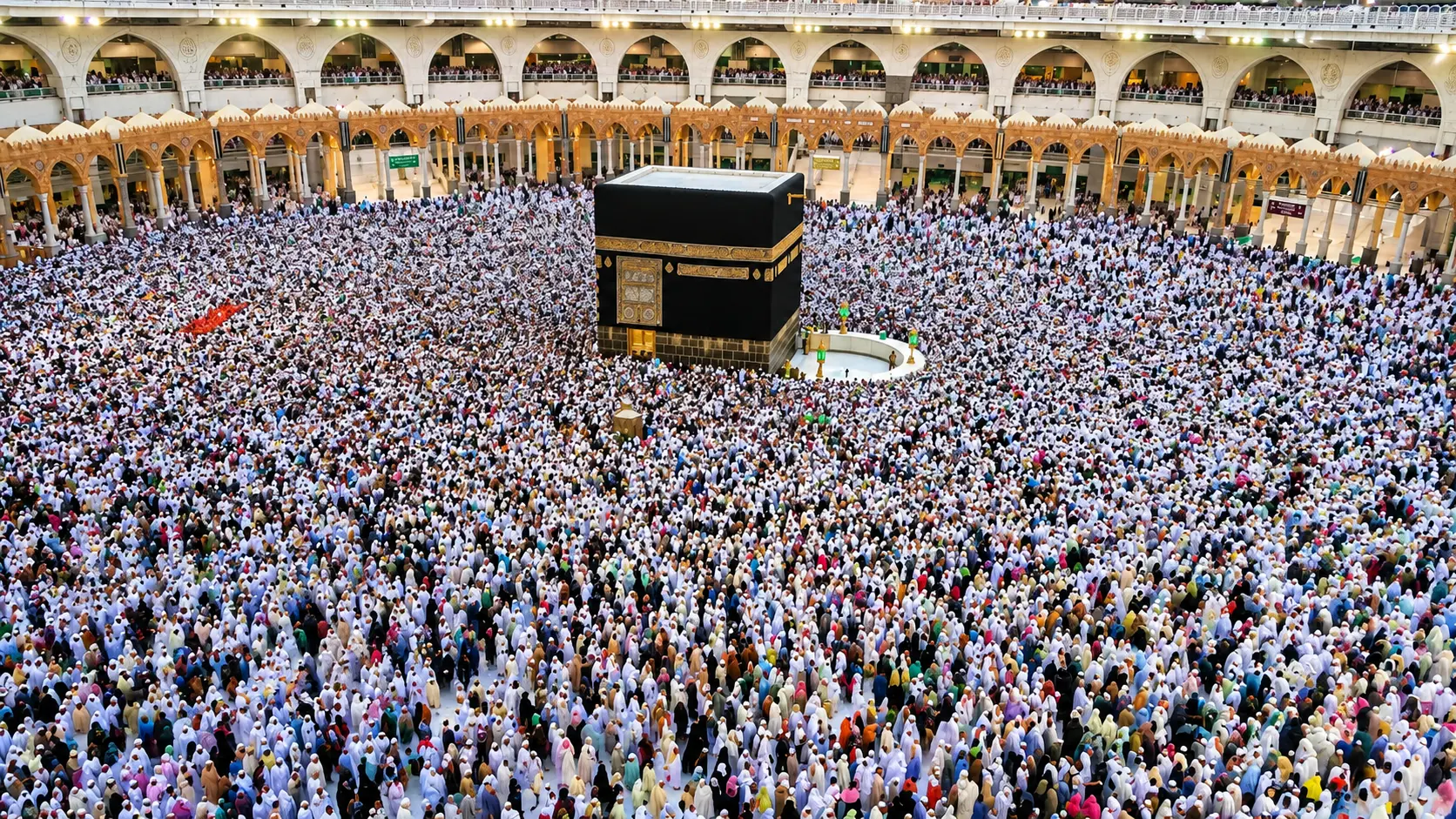
New Delhi: Saudi Arabia has raised security concerns around the holy city of Mecca after its air-defence systems intercepted and destroyed a drone south of the city, according to the Saudi-led coalition. The incident came amid a sharp escalation in fighting involving Yemen's Houthi movement and Saudi-backed forces. The development has drawn particular attention because Saudi authorities issued a brief aerial-threat warning covering Mecca, along with parts of Jeddah and Taif. The alert was later lifted after authorities said the immediate danger had passed.
First aerial-threat alert reported in Mecca
Saudi Civil Defence issued a warning on Tuesday, September 15, asking people in affected areas to move indoors and follow safety instructions. The warning was short-lived, but its appearance in Mecca marked an unusual development amid the latest regional escalation. The alert came only a day after missile and drone attacks launched from Yemen reportedly injured 13 people in Saudi Arabia. Saudi authorities have blamed the Houthi movement for the attacks. The Saudi-led coalition later said its air defences had intercepted a Houthi drone south of Mecca before it could enter the restricted airspace around the holy city. Coalition spokesperson Turki al-Maliki said the security of the Two Holy Mosques and pilgrims was a "red line" for Saudi Arabia. The incident has therefore become one of the most closely watched developments in the latest Saudi Arabia-Houthi conflict.
Houthis deny targeting Mecca
The Houthi movement has disputed Saudi Arabia's account. A Houthi political official rejected the allegation that the group deliberately targeted Mecca and described Riyadh's claim as false. This means that while Saudi authorities say a Houthi drone was intercepted south of Mecca, the precise intention behind the drone remains contested. The competing claims are significant because Mecca is home to Islam's holiest sites and attracts millions of Muslim pilgrims. Reuters also reported that Saudi Arabia described the drone as being launched by the Houthis, while Houthi officials denied targeting the holy city.
Saudi Arabia warns of further action
The latest incident has prompted a stronger warning from Saudi authorities. The coalition has indicated that further attacks threatening the country's security, particularly the safety of the holy sites, could lead to additional measures. Saudi Arabia has already faced several Houthi missile and drone attacks during the latest escalation. Earlier attacks reportedly caused fires at oil facilities and left dozens of people injured. The Associated Press reported that one series of Houthi attacks caused fires at Saudi oil facilities and wounded 73 people. The escalation represents a significant change from the relative calm that followed the 2022 truce in Yemen. Fighting between Houthi forces and Saudi-backed Yemeni government forces has intensified again in recent weeks.
Why the Red Sea is at the centre of the crisis
The latest confrontation is not limited to Saudi territory. Yemen's western coastline and the Red Sea have become increasingly important to the wider conflict. The Houthis have made territorial gains along parts of Yemen's western coast, including the strategically important port of Mocha, while also moving closer to the Bab el-Mandeb Strait. The waterway connects the Red Sea with the Gulf of Aden and is one of the world's important maritime routes. Any prolonged disruption in this area could affect commercial shipping, energy transportation and regional supply chains. The Houthis have also announced restrictions affecting Saudi-linked maritime traffic. Saudi Arabia, meanwhile, has supported forces fighting the Houthis in Yemen. This combination of land fighting, drone attacks and maritime pressure has transformed the latest Yemen conflict into a broader regional security issue.
Mecca alert comes amid wider Saudi security concerns
The warning around Mecca was not an isolated security development. Saudi Civil Defence also issued temporary alerts covering areas around Jeddah and Taif. Authorities later announced that the danger had passed and asked residents to continue following official instructions. Reports also indicated disruptions to some air traffic in the region during the heightened security situation. However, individual reports concerning aviation operations should be treated separately from the confirmed Saudi Civil Defence alerts. The incident nevertheless demonstrates how the expanding conflict is creating security concerns far beyond the immediate battlefield in Yemen.
Previous attempt involving Mecca
The latest incident also recalls an earlier episode involving a projectile reportedly launched towards the Mecca region in 2017. Saudi authorities have described the current drone interception as another serious incident involving the holy city. However, the Houthis have rejected the accusation that they intentionally targeted Mecca. Because the two sides provide conflicting accounts, the exact circumstances and intended destination of the drone remain an important part of the developing story.
Regional tensions continue to rise
The Saudi-Houthi confrontation is unfolding alongside a wider deterioration in the Middle East. The renewed fighting has increased concerns about maritime security, energy supplies and civilian safety. The Bab el-Mandeb Strait is particularly important because vessels travelling between the Indian Ocean and the Mediterranean through the Suez Canal pass through this broader maritime corridor. Recent Houthi advances toward strategic areas near the Red Sea have therefore attracted international attention. Reuters reported that the group's territorial gains had brought it closer to the strategic waterway and increased concerns over global shipping. Qatar has also warned that any serious disruption or closure of the Bab el-Mandeb could have consequences beyond the region.
Humanitarian concerns in Yemen
While Saudi Arabia faces growing security pressure, the renewed fighting is also worsening conditions inside Yemen. The conflict has displaced civilians and created additional pressure on food, fuel and other essential supplies. The Associated Press reported that fuel shortages were hampering people attempting to flee Yemen for Djibouti across the Red Sea. The renewed violence also threatens to reverse the relative reduction in fighting that followed the 2022 ceasefire. For civilians on both sides, continued missile, drone and ground attacks increase the risks associated with an already prolonged conflict.
What happens next?
The immediate focus will be on whether Houthi attacks against Saudi Arabia continue and how Riyadh responds. The interception of the drone near Mecca has added a highly sensitive dimension to the conflict. Saudi authorities have made clear that the protection of the holy sites is a major security priority, while the Houthis deny deliberately targeting Mecca. At the same time, developments along Yemen's western coast and around the Bab el-Mandeb Strait could determine how far the current confrontation expands. For now, the Mecca air raid alert has ended, but the broader Saudi Arabia-Houthi conflict remains active. With missile and drone attacks continuing, territorial fighting intensifying in Yemen and maritime routes under growing pressure, the latest escalation is being closely monitored across the Middle East and beyond.
MyIndiaTimes will continue to track the latest developments in the Mecca security alert, Saudi Arabia-Houthi tensions and the wider Red Sea crisis.