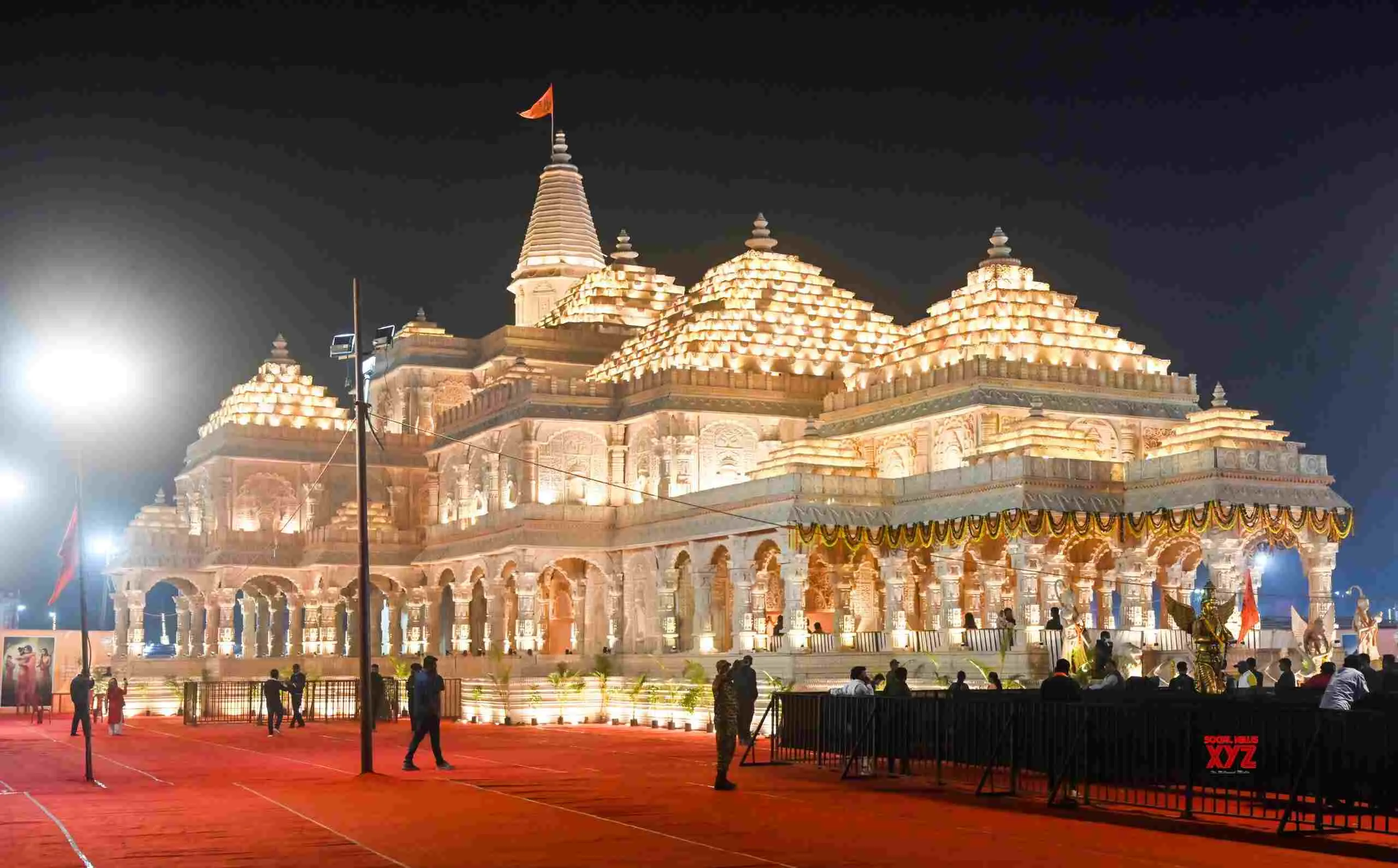
Ayodhya: The hiring process for the first full-time CEO of Ram Mandir has taken an unusual turn, with shortlisted candidates apparently being asked about their religious beliefs, way of life, and knowledge of Hindu customs in addition to their administrative background. The interviews for the Chief Executive Officer of the Shri Ram Janmabhoomi Teerth Kshetra Trust began in Ayodhya this week. According to reports citing people familiar with the process, candidates have faced questions ranging from their experience in handling large crowds to whether they wear a janeu, maintain a shikha, consume alcohol or eat non-vegetarian food. The reported questions have attracted attention because the CEO's position combines conventional administrative responsibilities with the management of one of India's most significant religious institutions.
5,200 Applications, 18 Shortlisted Candidates
The scale of interest in the Ram Mandir CEO position has been considerable. The Trust received around 5,200 applications for the post, following a nationwide recruitment process. After scrutiny, 18 candidates were shortlisted for the interview stage. The pool reportedly includes former IAS and IPS officers, retired military personnel and people with experience in managing religious institutions. Earlier, the Trust had indicated that the selection process would take additional time because of the large number of applications received. As the temple complex continues to manage a sizable number of devotees and more complicated operating duties, the appointment is seen as a crucial administrative step. Additionally, the Trust set eligibility conditions for the role, such as significant managerial and administrative expertise, with a preference for applicants with appropriate temple management experience.
Questions Go Beyond Administrative Experience
Reports about the interviews suggest that candidates are being evaluated on several different dimensions. Administrative competence remains a major part of the process. Applicants have reportedly been asked about leadership, managing staff, handling visitors, and dealing with extremely large crowds. One of the practical challenges associated with the position is crowd management. When the number of guests increases significantly, the CEO may be expected to oversee plans, necessitating collaboration between several departments and agencies. Candidates have reportedly been asked whether they have experience managing crowds ranging from tens of thousands to several lakh people. However, questions concerning personal religious practices have generated the most attention. According to reports, candidates were asked about their faith in Lord Ram, their connection with Hindu religious traditions, whether they wear a janeu or shikha, and whether they follow a vegetarian or non-vegetarian diet. Some candidates were also reportedly asked whether they consume alcohol and how closely they follow traditional Hindu practices.
Why Are Lifestyle Questions Being Asked?
The reported questions have raised a broader debate over what qualifications should matter when appointing the administrative head of a major religious trust. The CEO's responsibilities are expected to include management, planning, coordination, administration, and dealing with the large operational requirements of the temple. At the same time, the Ram temple is a religious institution with traditions and rituals that form an important part of its identity. This creates a unique situation for the selection committee. The Trust appears to be looking not merely for a conventional corporate executive but for an administrator who can operate within the religious and cultural framework of the temple. The reported questionnaire therefore appears to combine professional assessment with questions intended to understand a candidate's familiarity with religious practices.
Vision for Ram Mandir Also Under Focus
Apart from personal and religious questions, candidates have reportedly been asked about their vision for the future of the temple. The selection process is said to examine leadership qualities, social and religious engagement, professional background and the candidate's proposed work plan. That could include questions about improving devotee facilities, managing crowds, strengthening administration and ensuring smooth functioning of the temple complex. The CEO will also have to work with the Trust's existing administrative structure and coordinate with different stakeholders involved in the temple's operations. For that reason, management experience is expected to remain an important factor in the final decision.
Appointment Comes Amid Financial Scrutiny
The creation of a full-time CEO position comes at a particularly important moment for the Shri Ram Janmabhoomi Teerth Kshetra Trust. The Trust has faced scrutiny following allegations of irregularities involving temple donations. The controversy has triggered an investigation and increased attention on the financial and administrative systems governing the temple. The Trust has been reviewing its administrative arrangements amid the continuing scrutiny. Earlier reports said the Trust received thousands of applications for the CEO post while also deciding to strengthen its administrative setup. The Trust had appointed an interim secretary as it worked through the selection process. The appointment of a professional CEO could therefore be aimed at creating a more structured administrative system as the temple's operations expand.
Who Will Make the Final Decision?
The selection process is being handled by a three-member committee constituted by the Trust. The committee is expected to assess the shortlisted candidates and recommend a smaller group of names to the Trust's governing body. The final appointment will then be made by the Trust. Reports indicate that the committee's assessment includes professional experience as well as the candidate's approach toward temple administration, religious traditions and future planning. With only 18 candidates remaining from thousands of applicants, the final stage is expected to attract considerable public attention.
A Unique CEO Role
Unlike a conventional corporate CEO, the person eventually selected for the Ram Mandir CEO position will have to manage an institution where religious traditions, public administration, security, finance and crowd management intersect. Ayodhya has become a major pilgrimage destination, and the number of visitors can increase substantially during religious festivals and special occasions. That means the administrator will need to deal with everything from infrastructure and visitor facilities to staff management, security coordination and operational planning. The selection committee's emphasis on both professional capabilities and religious understanding reflects the unusual nature of the position.
What Happens Next?
The interview process is expected to lead to a smaller list of candidates before the Trust makes its final choice. The decision will be closely watched because the first full-time CEO will inherit responsibility at a time when the temple's administration is expanding and facing heightened scrutiny.For the candidates, the challenge is therefore broader than simply demonstrating administrative credentials. They must show that they can manage a large and complex religious institution while understanding the traditions associated with the Ram temple. The Ram Mandir CEO appointment could ultimately become an important milestone in the temple's evolving administrative structure. While the reported questions about faith and personal lifestyle have generated public discussion, the final selection is likely to depend on the committee's overall assessment of each candidate's leadership, management experience, religious understanding and vision for the future of the temple.