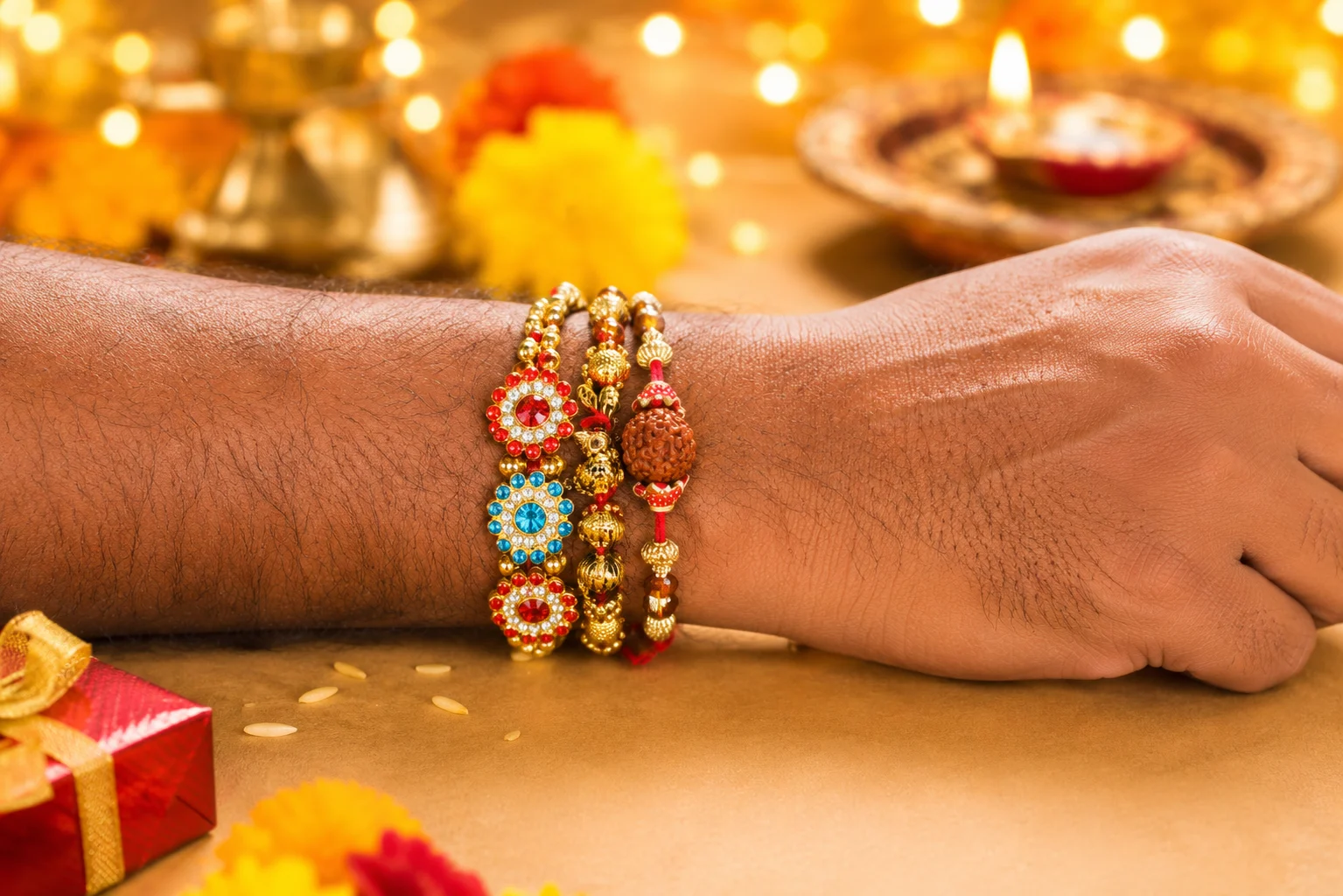
Raksha Bandhan is one of Indias most cherished festivals, celebrating the love, trust and emotional bond between brothers and sisters. On this special occasion, sisters tie a rakhi around their brothers wrists and pray for their happiness, health and success. Brothers, in return, promise to stand by their sisters through every phase of life and often give them gifts as a token of love. Beyond the traditional rituals, Raksha Bandhan is also an occasion for families to come together, share meals and create memorable moments.
Why Is Raksha Bandhan Celebrated?
The central idea behind Raksha Bandhan is the bond of love, care and protection between siblings. The rakhi is traditionally considered a raksha sutra, or sacred thread of protection. While traditionally the festival was associated with a brother promising to protect his sister, the meaning has evolved over time. Today, brothers and sisters support and protect each other emotionally, socially and in their personal lives.
Mythological Stories Associated With Raksha Bandhan
Several stories are associated with the origin and significance of Raksha Bandhan. One of the most popular traditions connects the festival with Lord Krishna and Draupadi. According to a popular belief, Krishna once injured his finger. Draupadi tore a piece of cloth from her saree and tied it around his finger to stop the bleeding. Moved by her affection, Krishna is believed to have promised to protect her whenever she needed him. Another traditional story is associated with Indra and Shachi. According to mythology, Shachi tied a sacred protective thread around Indras wrist during a battle between the gods and demons. The thread came to be associated with protection and victory.
Raksha Bandhan Puja Vidhi
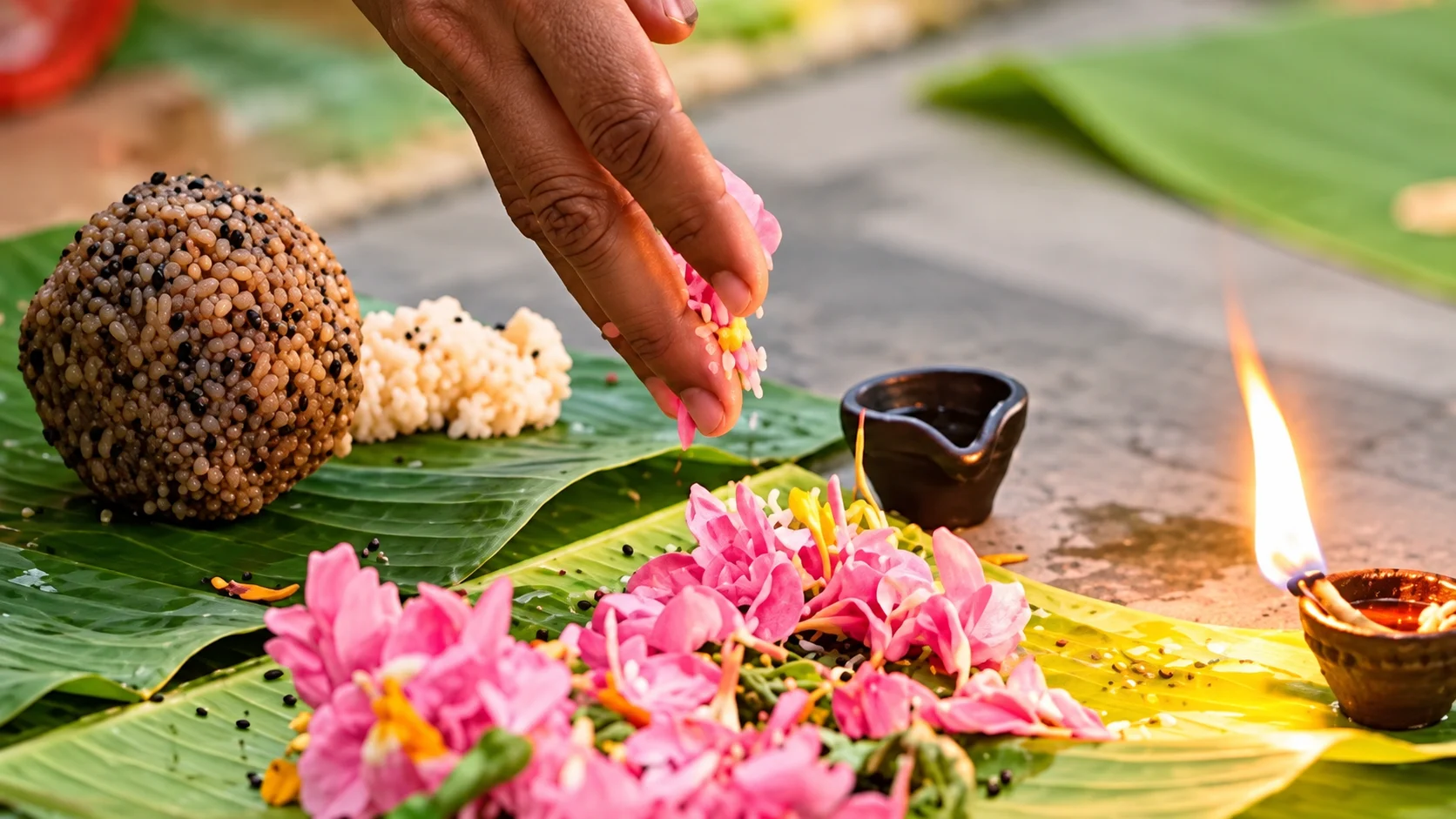
On Raksha Bandhan, sisters traditionally take a bath, wear clean clothes and prepare a puja thali. The thali is decorated with the rakhi, roli or kumkum, rice, flowers, sweets and a diya. The brother is then seated at a suitable place. The sister applies a tilak to his forehead, performs an aarti and ties the rakhi around his wrist. She then offers him sweets and prays for his well-being. The brother gives his sister a gift and promises to support her. In many families, siblings also seek blessings from their elders after completing the ritual.
What to Keep in the Rakhi Thali?
A traditional Raksha Bandhan thali can include:
- Rakhi
- Roli or kumkum
- Akshat (rice)
- Diya
- Flowers
- Sweets
- Fruits
- Puja items
- Coconut
The thali can also be decorated with flowers, decorative rice, small diyas or a simple rangoli to give it a festive look.
What Can You Make for Raksha Bandhan?
Food is an important part of any Indian festival, and Raksha Bandhan is no exception. Families can prepare a variety of sweets, snacks and special meals at home.
Sweets to Make at Home
For the festive occasion, you can prepare besan ladoos, coconut ladoos, kheer, suji halwa, gulab jamun, seviyan, peda and dry-fruit barfi. Homemade sweets are also a good option for families who want greater control over the ingredients and amount of sugar used.
Snacks and Savoury Dishes
For guests and family members, popular options include samosas, kachori, dahi bhalla, aloo tikki, paneer tikka, vegetable cutlets and mathri. For something lighter, families can prepare fruit chaat, corn chaat, sprouts chaat or paneer tikka.
Special Raksha Bandhan Lunch or Dinner
A festive meal can include shahi paneer, dal makhani, pulao, puri-sabzi, chole, raita and fresh salad. A combination of a vegetable dish, dal, rice or pulao, roti or puri, raita and salad can make a wholesome festive thali.
How to Make Festive Food Healthier?
Celebrating a festival does not necessarily mean giving up on healthy eating. Traditional dishes can be prepared with a few simple changes. Instead of deep-frying snacks such as samosas and cutlets, they can be baked or air-fried. The quantity of sugar in homemade desserts can also be reduced, while ingredients such as dry fruits, dates or fresh fruits can be used where suitable. Adding curd, raita and salad to the meal can also make the festive spread more balanced. Fried foods and sweets can be enjoyed in moderation without missing out on the celebrations.
What Gifts Can Brothers and Sisters Exchange?
Gift-giving has become another popular part of Raksha Bandhan celebrations. Brothers can choose gifts such as clothes, jewellery, perfumes, books, handbags, gadgets or personalised items for their sisters. Sisters can also surprise their brothers with clothes, watches, wallets, perfumes, gadgets or other useful gifts. The most meaningful gift, however, is often something chosen according to the siblings personality, interests or needs.
How Can Siblings Celebrate Raksha Bandhan From Far Away?
Many brothers and sisters now live in different cities or countries because of work, studies, or other commitments. Distance does not have to stop them from celebrating the festival together. Sisters can send rakhis in advance, while video calls can help families participate in the traditional ceremony virtually. Online gifts and virtual celebrations can also make the day special for siblings who cannot meet in person.
The Real Message of Raksha Bandhan
Raksha Bandhan is ultimately about love, trust, companionship and family. The relationship between siblings often includes childhood arguments, laughter, shared memories and unconditional support. The rakhi represents much more than a simple thread. It symbolises the promise to remain connected and support each other through lifes challenges. This Raksha Bandhan, celebrating together, sharing memories and spending quality time with siblings can make the festival more meaningful than any expensive gift.