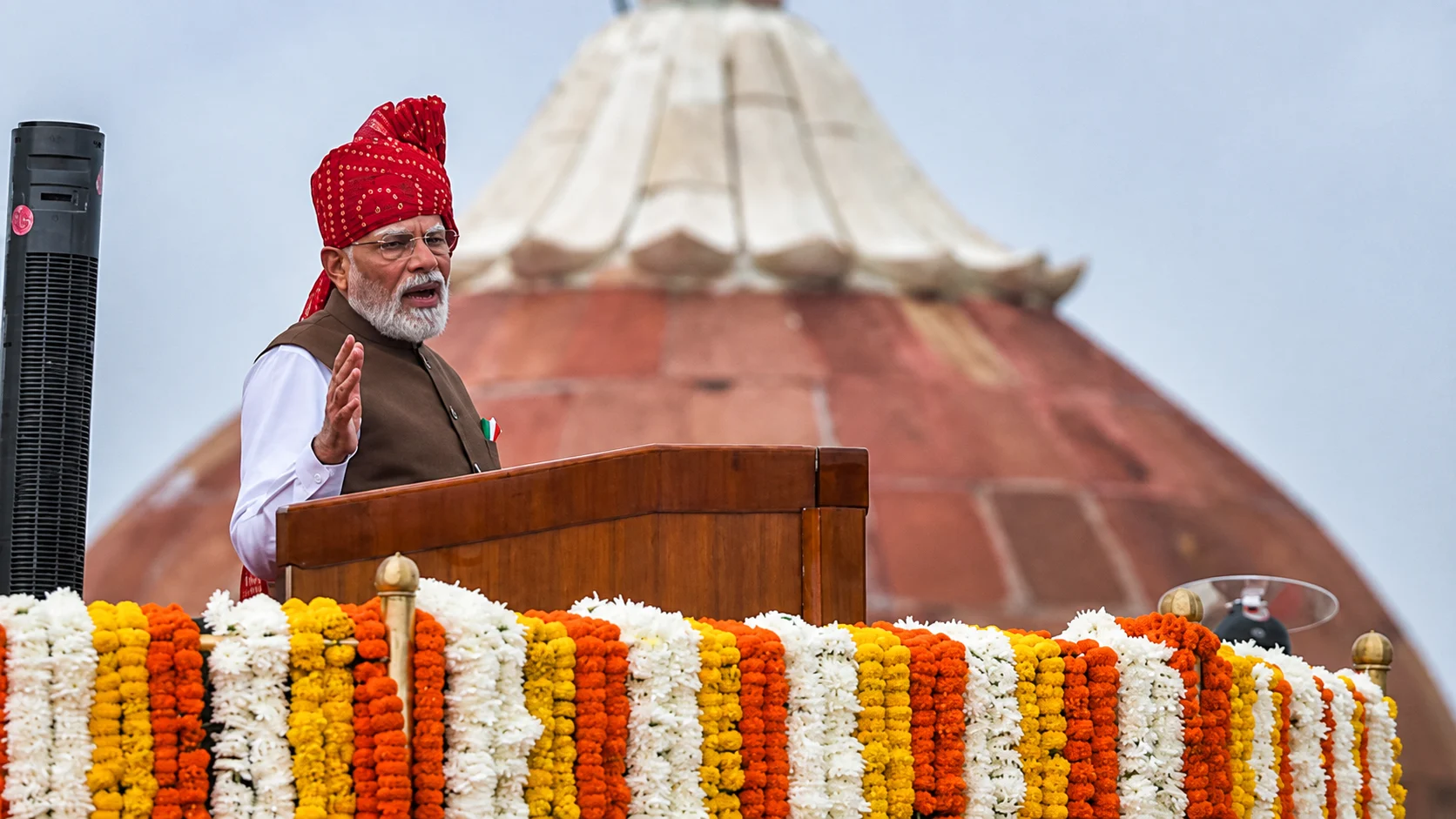
With promises of free online tutoring for competitive exams and artificial intelligence training for millions of young people, Prime Minister Narendra Modi has promised a significant education and skill-development campaign for India's youth. The announcement came during his Independence Day address from the Red Fort, where he highlighted the growing financial pressure faced by families preparing their children for highly competitive government and professional examinations. The action is being taken at a time when young people in India are becoming more and more concerned about competitive tests, paper leaks, tutoring costs, and job prospects. For thousands of students, preparation for entrance and recruitment examinations can involve years of study and significant spending on coaching institutes, study materials, accommodation, and test series.
Free Online Coaching to Reduce Financial Burden
Addressing the nation, Modi said the coaching ecosystem has increasingly become a financial burden for middle-class families. Because they worry that their kids might fall behind without further preparation, many parents feel forced to spend a lot of money on private tutoring. The goal of the government's proposed free online coaching program is to provide exam preparation accessibility for all students, regardless of their financial situation. Without having to move to large coaching centers, candidates in smaller towns, villages, and economically disadvantaged communities may be able to acquire preparatory materials through online learning. Students studying for competitive exams like the UPSC, SSC, banking recruitment tests, engineering and medical entrance exams, and other government recruitment exams may find the project especially important.
AI Training for 10 Million Young Indians
Alongside free exam preparation, the Prime Minister announced plans to provide artificial intelligence training to around 10 million young Indians over the coming year. Companies are increasingly seeking employees who are knowledgeable in AI tools, automation, data, and future digital technologies. Artificial intelligence has quickly emerged as one of the most significant sectors of the global technology economy. The proposed programme reflects the government's broader focus on preparing India's workforce for a technology-driven economy. Information technology, finance, manufacturing, healthcare, education, marketing, and business services are just a few of the industries where AI training could help students and young professionals acquire skills that are becoming more and more important. For India, which has one of the world's largest young populations, expanding access to emerging technology skills could also support the government's broader Viksit Bharat 2047 objective.
Exam Paper Leaks Remain a Major Concern
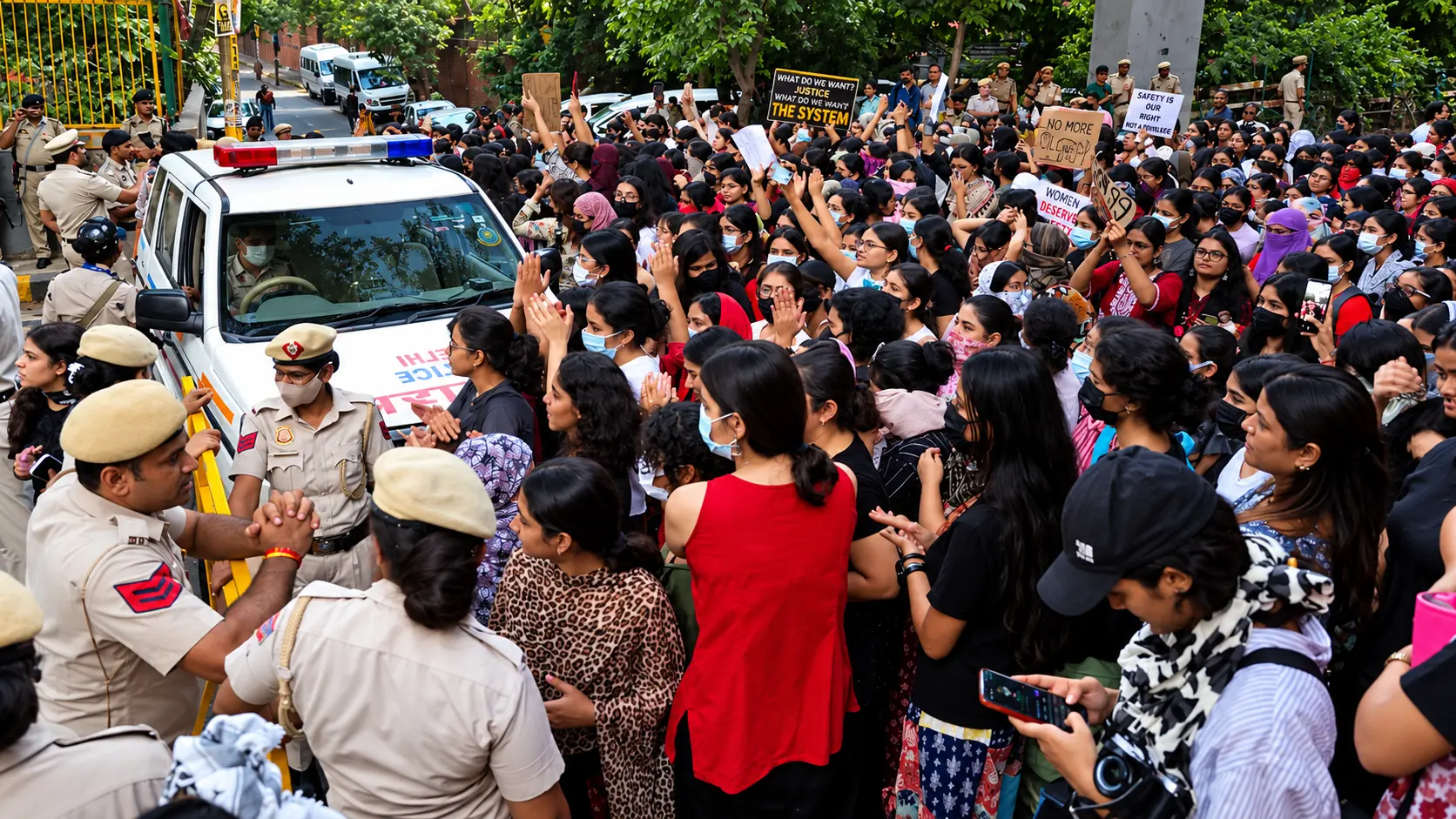
The announcement also comes amid continuing public concern over the integrity of competitive examinations in India. Paper leaks and irregularities in recruitment and entrance examinations have triggered protests and criticism from students in recent years. For candidates who spend months or even years preparing for a single examination, the cancellation or postponement of an exam can result in significant financial and emotional pressure. The government has taken steps to strengthen the legal framework surrounding examination malpractice and has also examined ways to improve the country's examination system. Ensuring secure examinations will be crucial if the government's new education initiatives are to build confidence among students and parents.
Youth Employment at the Centre of the Debate
The issue extends beyond examinations. India's young population is entering an increasingly competitive labour market, making employability and access to quality jobs central concerns. A competitive examination is often viewed by students as a pathway toward stable employment, particularly in the government sector. This explains why millions of aspirants are willing to spend years preparing for limited vacancies. However, expanding employment opportunities in the private sector, encouraging entrepreneurship and providing practical technology skills will also be essential to address the larger challenge. The government's focus on AI training therefore represents a shift from traditional exam preparation towards broader employability and future-oriented skills.
A New Digital Education Push
Free online coaching could also strengthen India's digital education ecosystem. With smartphones, affordable internet connectivity and online learning platforms becoming increasingly accessible, students no longer necessarily need to travel to large cities for every form of preparation. If implemented effectively, the programme could provide students with recorded lectures, live classes, mock tests, study material, doubt-solving facilities and performance tracking. The success of the initiative, however, will depend on the quality and accessibility of the content. Students in rural areas and economically weaker communities will need reliable internet access and suitable digital devices to benefit fully.
Focus on a Future-Ready Workforce
The announcements suggest that the government is attempting to address two connected challenges: making competitive examination preparation more affordable and preparing young Indians for emerging employment opportunities. Free coaching could reduce the financial barrier associated with competitive examinations, while AI and digital-skills training could help young people explore opportunities beyond traditional government jobs. For India's youth, the larger question will be how effectively these announcements translate into accessible programmes, high-quality training and actual employment opportunities. As India works towards its Viksit Bharat 2047 vision, developing a skilled, technologically capable and economically empowered young population will remain one of the country's most important priorities. The latest announcements therefore represent more than an education initiative. They point towards a broader attempt to make learning more accessible, reduce the cost of exam preparation and equip India's next generation with skills required for the rapidly changing global economy.