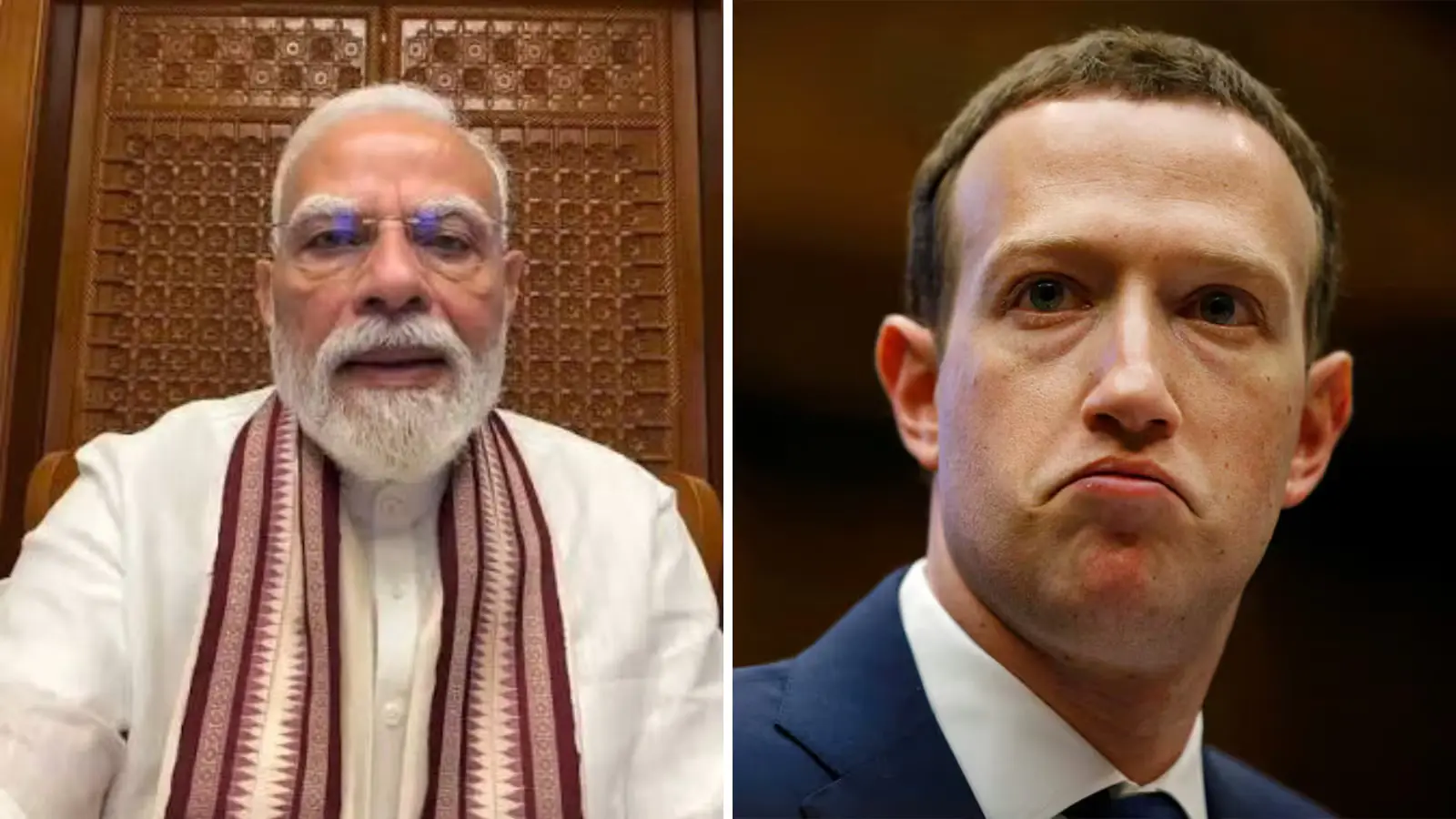
Mark Zuckerberg, Meta India, PM Modi Video Removed, Safe Harbour Rule, Parliamentary Committee, Meta Latest News, Social Media Regulation India, Nishikant Dubey. The row over the temporary removal of Prime Minister Narendra Modi's video from Facebook has escalated, with a Parliamentary Committee issuing a strong warning to Meta and its CEO, Mark Zuckerberg. In addition to demanding an apology from Zuckerberg, the committee has issued a warning that further carelessness may result in a reconsideration of the legislative safeguards currently afforded to Indian social media companies. The development coincides with the government's increased monitoring of multinational internet firms due to concerns about user safety, platform responsibility, and content moderation. The controversy has once again brought the Safe Harbour Rule and the responsibilities of digital intermediaries into the national spotlight.
Parliamentary Panel Questions Meta's Content Moderation
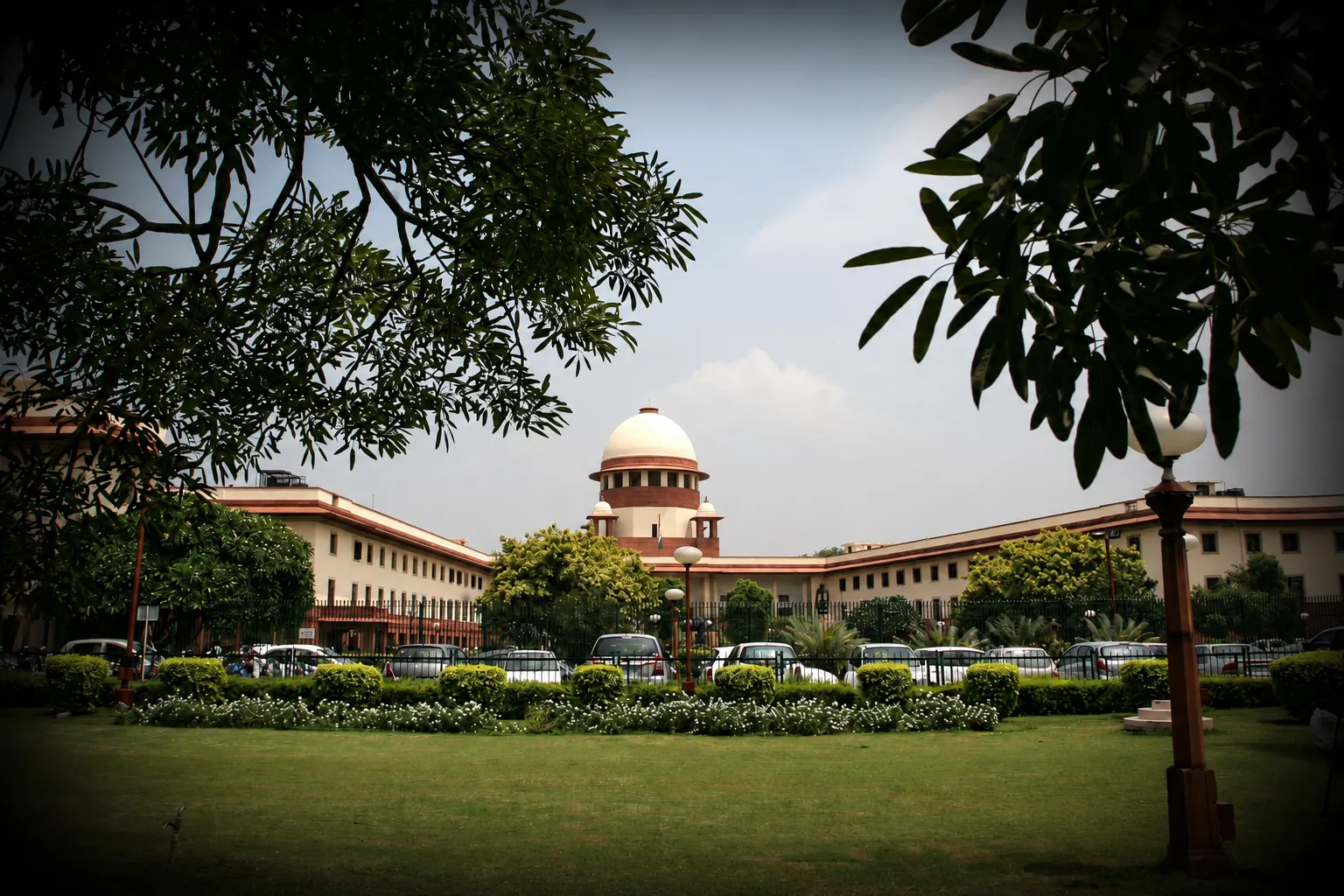
The Parliamentary Standing Committee on Communications and Information Technology has expressed serious concern over the brief removal of Prime Minister Narendra Modi's July 23 video from Facebook. The committee, chaired by BJP MP Nishikant Dubey, stated that the incident raised important questions about how global social media platforms handle content published by elected public representatives. Panelists contended that the Prime Minister's video's temporary restriction was more than just a technical problem and that the platform should be held accountable. According to the committee, such incidents have the potential to affect public communication and democratic discourse.
Mark Zuckerberg Asked to Issue an Apology
Members of the committee demanded that Mark Zuckerberg issue a public apology for the event and make sure that the people who removed the video were held accountable. The panel warned that the government would take more stringent regulatory action against the platform if sufficient corrective action is not implemented. The committee made it clear that internet platforms operating in India must abide by Indian legislation and maintain greater transparency in their moderation practices, even if no final legal action has been taken.
Safe Harbour Protection Comes Under Discussion
The committee's comments on the Safe Harbour protection afforded to online intermediaries are among their most important points. Under India's Information Technology framework, social media companies generally receive legal protection for third-party content posted on their platforms, provided they function as intermediaries and comply with prescribed legal obligations. However, committee members questioned whether certain moderation decisions could shift a platform's role beyond that of a neutral intermediary. According to the panel, if a platform exercises editorial control in ways that violate legal obligations or public trust, questions may arise regarding the continued applicability of intermediary protections. Legal experts note that any decision regarding Safe Harbour would require due legal process and government action under the existing regulatory framework.
Meta Restored the Video After Backlash
The Prime Minister's video was reportedly restored shortly after users highlighted its temporary unavailability. Meta informed government representatives that the removal occurred because of a technical issue and expressed regret over the incident. However, members of the parliamentary panel reportedly remained unconvinced by that explanation. Officials emphasized that companies with advanced technology infrastructure are expected to maintain reliable content moderation systems capable of preventing such errors. The incident has further intensified the debate over algorithmic moderation and platform accountability.
Government Seeks Greater Accountability from Social Media Platforms
The controversy reflects a broader shift in India's approach toward regulating large technology companies. Authorities have repeatedly stated that while social media platforms enjoy significant operational freedom, they are also expected to comply with Indian laws and respond promptly when concerns regarding public interest arise. Over the past few years, regulators have introduced stricter compliance requirements related to grievance redressal, user protection, and unlawful content. Experts believe future regulations may place greater emphasis on transparency, automated moderation systems, and accountability for major digital platforms.
Child Safety Also Remains Under Regulatory Focus
Apart from the PM Modi video controversy, the parliamentary committee also discussed concerns regarding Child Sexual Abuse Material (CSAM) circulating through digital platforms. Members stressed that all major social media companies must strengthen their mechanisms for detecting and removing illegal content involving children. The committee indicated that protecting children online remains one of the government's highest priorities and warned that platforms failing to comply with legal obligations could face action under applicable laws. Technology companies are increasingly expected to deploy advanced detection systems while cooperating with law enforcement agencies whenever illegal material is identified.
Growing Debate on Platform Responsibility
The latest developments have reignited discussions about the responsibilities of global technology companies operating in democratic societies. Digital rights experts believe social media platforms must balance freedom of expression with effective enforcement of platform policies. At the same time, governments across the world continue to demand greater transparency regarding automated moderation decisions. As artificial intelligence plays a larger role in identifying and moderating online content, policymakers are also examining how platforms can reduce false removals while maintaining public trust. The Meta controversy is likely to contribute to future policy discussions on intermediary liability and digital governance in India.
What Happens Next?
At present, no formal decision has been announced regarding changes to Meta's legal protections. The committee's observations are expected to be examined by the concerned ministries before any regulatory action, if required, is considered. Meanwhile, Meta is expected to continue engaging with Indian authorities and respond to concerns raised during parliamentary discussions. Industry observers believe the outcome of this episode could influence future interactions between the Indian government and major global technology companies.
The temporary removal of Prime Minister Narendra Modi's Facebook video has evolved into a wider debate on platform accountability, intermediary responsibility, and digital governance. The Parliamentary Committee's demand for greater accountability from Meta reflects increasing expectations that technology companies operate with transparency while respecting Indian laws. Although Meta has attributed the incident to a technical error and restored the content, the discussion surrounding Safe Harbour protection, content moderation, and platform responsibility is expected to continue. The coming weeks may determine whether this remains an isolated controversy or becomes a catalyst for broader regulatory reforms in India's digital ecosystem.