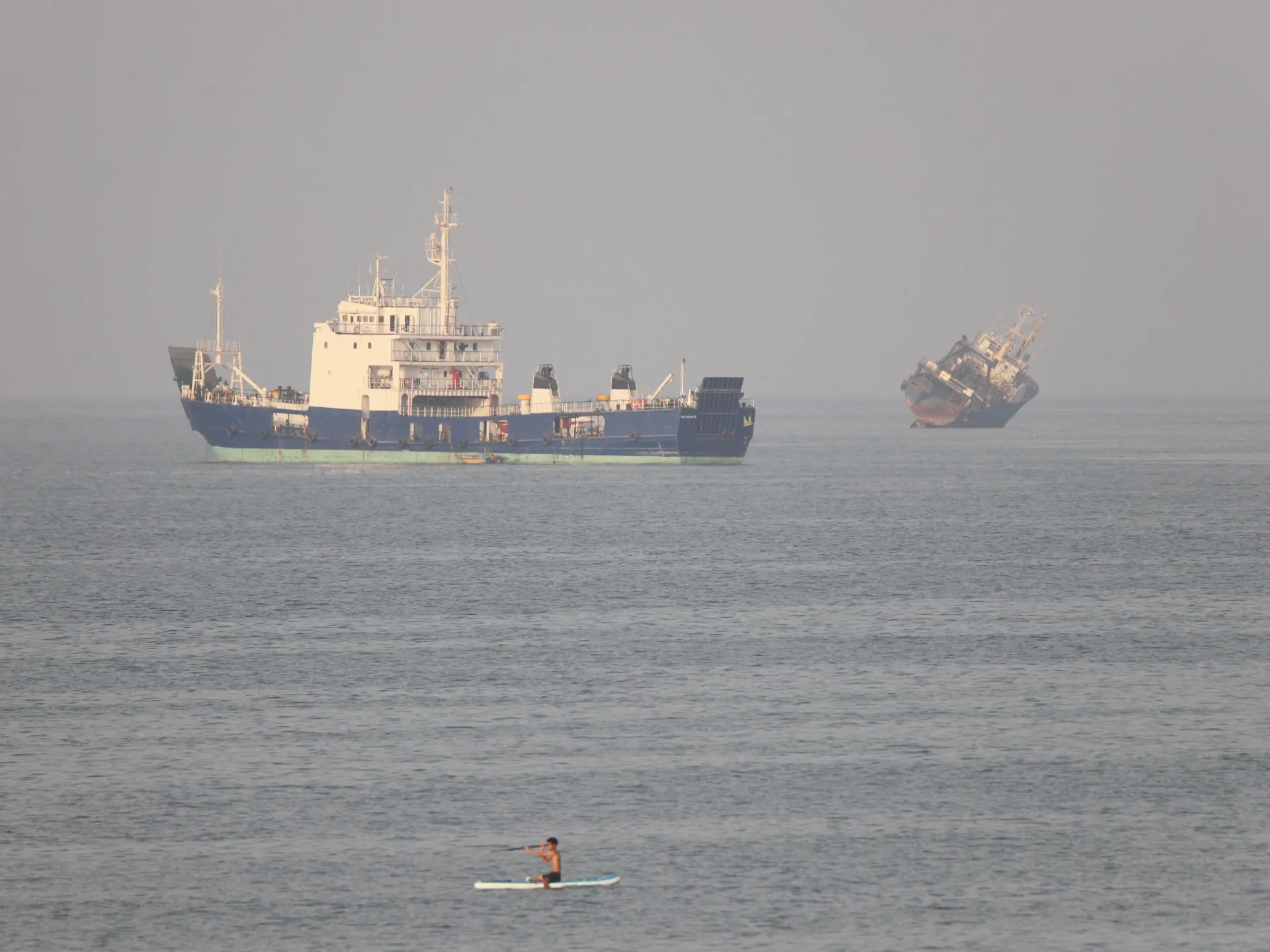
Iran Says Strait of Hormuz Agreement with Oman Is Near Completion as Donald Trump Signals Possible Deal
A significant diplomatic development may soon reshape the geopolitical landscape of the Middle East, as Iran announced that negotiations with Oman over the Strait of Hormuz have entered their final stage, while US President Donald Trump suggested that an agreement could be reached within days. The prospect of a breakthrough has attracted worldwide attention because the Strait of Hormuz is one of the world's most strategically important maritime routes. Although officials from both sides have expressed cautious optimism, a number of crucial issues remain unresolved, particularly with regard to Iran's demands regarding the future status of the strait and the United States' economic restrictions on Tehran. Any agreement affecting the waterway could have an impact on global oil prices, international trade, shipping security, and ongoing tensions between Iran and the United States.
Iran Confirms Negotiations Are in the Final Stage
Speaking on Wednesday, Iran's Foreign Ministry confirmed that discussions with Oman have reached what it described as the "final stage" of drafting an agreement. Foreign Ministry spokesperson Esmail Baghaei said negotiators are working toward completing the final text and indicated that a joint announcement could be made if there are no external obstacles. Iranian authorities claim that Oman has kept up its crucial role as a mediator, facilitating communication despite months of increased tensions in the region. Iran expressed optimism that diplomatic efforts will soon yield favorable outcomes that might lower military tensions and bring stability back to one of the busiest maritime lanes in the world.
Donald Trump Hints at a Possible Breakthrough
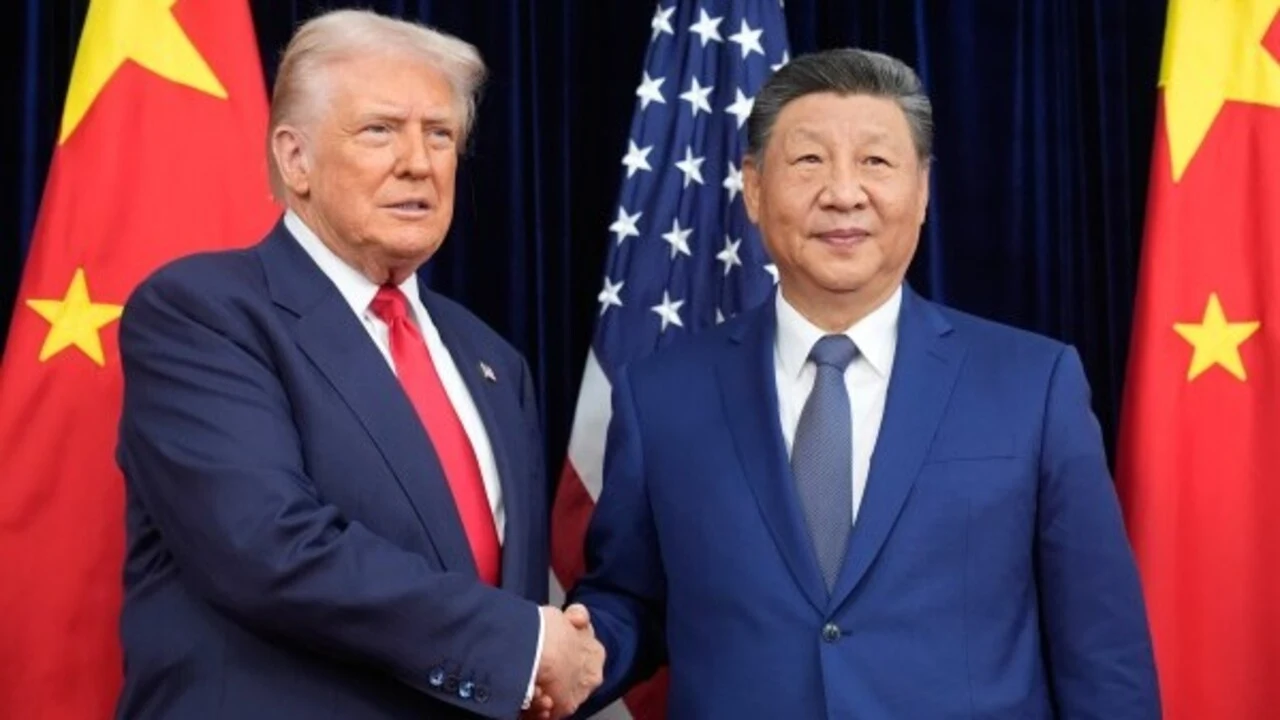
US President Donald Trump hinted that an announcement about the negotiations might be made later this week, which fueled rumors. Trump's comments raised hopes that diplomatic channels between regional parties would be making significant headway, even though he did not provide specifics. Following months of military conflict that delayed commercial shipping and alarmed worldwide financial markets, the Trump administration has been under increasing pressure from around the world to ease tensions in the Gulf. If negotiations succeed, it could represent one of the most significant diplomatic developments in the region since the conflict intensified earlier this year.
Why the Strait of Hormuz Matters to the World
The Strait of Hormuz remains one of the most strategically valuable waterways on Earth. Located between Iran and Oman, the narrow passage connects the Persian Gulf with international waters and serves as a critical route for global energy exports. Before the recent conflict, nearly 20 percent of the world's traded crude oil and significant volumes of liquefied natural gas (LNG) moved through the strait every day.
Any disruption immediately affects:
- Global oil supplies
- International shipping routes
- Fuel prices
- Inflation
- Energy security
- Financial markets
Because of its enormous economic importance, developments involving the Strait of Hormuz are closely monitored by governments, investors, shipping companies, and energy producers worldwide.
Conflict Has Severely Disrupted Maritime Traffic
The ongoing conflict has dramatically reduced commercial activity in the region. Repeated security incidents and attacks targeting commercial vessels have caused shipping companies to reroute cargo, delay voyages, or suspend operations altogether. Insurance premiums for vessels operating near the Gulf have also increased substantially, adding billions of dollars in additional transportation costs. These disruptions have contributed to higher prices for fuel, food, and manufactured goods across multiple continents. Economic analysts warn that prolonged instability around the Strait of Hormuz could continue placing pressure on global inflation and supply chains.
Major Differences Still Remain
Despite signs of diplomatic progress, important disagreements continue to complicate negotiations. Iran has maintained that it wants a greater role in overseeing activities within the Strait of Hormuz following the recent conflict. Meanwhile, Washington has consistently opposed any arrangement that could permanently alter the internationally recognized status of the waterway or restrict freedom of navigation. American officials have repeatedly emphasized that the Strait of Hormuz should remain open for international commercial shipping under established maritime law. These differing positions remain one of the biggest challenges facing negotiators.
US Sanctions Continue to Influence Negotiations
Another major issue involves US economic restrictions on Iran. Iran has repeatedly argued that any long-term agreement should include relief from measures affecting its ports and maritime trade. The country believes easing economic restrictions would help restore commercial activity and support broader regional stability. However, US officials have not publicly indicated whether sanctions relief will form part of any future agreement. The outcome of this issue could determine whether negotiations ultimately produce a lasting settlement.
Oman Continues Its Role as Regional Mediator
Oman has earned a reputation over the years as one of the Middle East's most trusted diplomatic intermediaries. Maintaining balanced relations with both Iran and Western nations, Muscat has frequently hosted confidential negotiations during periods of regional tension. Its neutral foreign policy has allowed it to facilitate communication between parties that often have limited direct contact. Diplomatic observers believe Oman's involvement has been instrumental in keeping negotiations alive despite months of conflict.
Global Markets Closely Watching Developments
Financial markets are paying close attention to every update from the negotiations.Any agreement capable of restoring stability in the Strait of Hormuz could produce immediate economic effects, including:
- Lower crude oil prices
- Reduced shipping insurance costs
- Improved supply chain reliability
- Greater investor confidence
- Stabilization of energy markets
Conversely, if negotiations collapse, analysts warn that renewed tensions could trigger another spike in oil prices and increase geopolitical uncertainty worldwide.
Political Pressure Continues to Mount
The diplomatic efforts also come amid growing political pressure in Washington. The prolonged conflict has generated increasing debate over US involvement in the region, with many lawmakers urging greater emphasis on diplomacy rather than military escalation. With domestic political priorities becoming increasingly important, the administration faces pressure to demonstrate progress toward reducing instability while protecting international trade routes. A successful agreement could provide both strategic and economic benefits for multiple stakeholders.
What Happens Next?
Negotiators are expected to continue finalizing the remaining details over the coming days. If the draft agreement receives approval from all participating parties, officials could jointly announce the framework shortly afterward. However, experts caution that diplomatic negotiations involving complex geopolitical disputes often encounter unexpected obstacles even during the final stages. Until an official agreement is signed, uncertainty surrounding the future of the Strait of Hormuz is likely to remain.
Iran's announcement that negotiations with Oman are nearing completion, combined with President Donald Trump's suggestion that a deal may soon be revealed, has generated cautious optimism across global diplomatic and financial circles. Because the Strait of Hormuz serves as one of the world's most important energy corridors, any agreement affecting its future will have consequences extending far beyond the Middle East. Whether the negotiations ultimately succeed will depend on resolving difficult questions surrounding maritime security, regional influence, sanctions, and international navigation rights. For now, governments, businesses, and energy markets remain focused on what could become one of the year's most significant geopolitical developments.