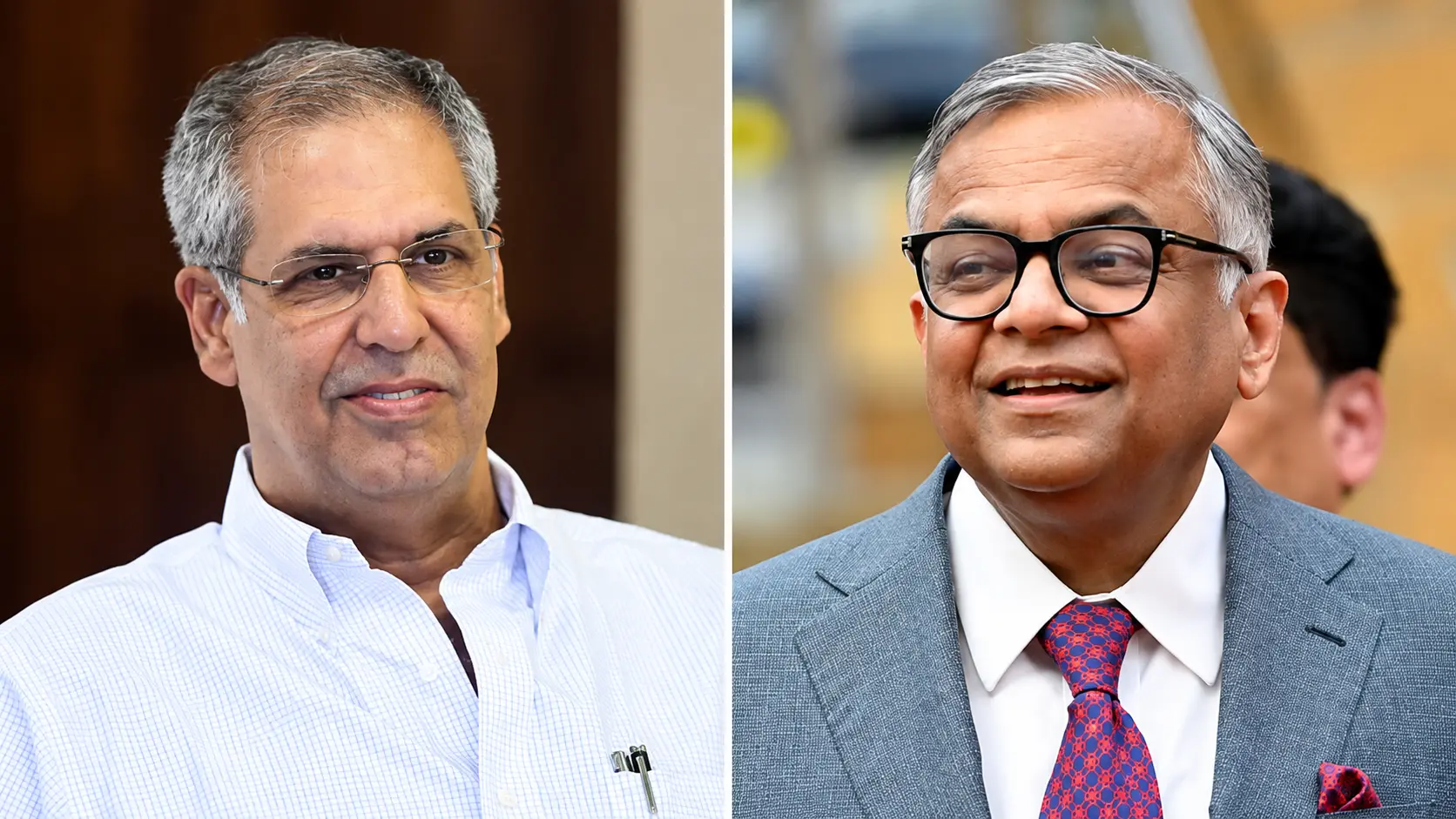
New Delhi: The Election Commission of India (ECI) has rejected reports suggesting internal disagreements among its members over several key decisions, including the ongoing Special Intensive Revision (SIR) of electoral rolls. According to sources in the Election Commission, all major decisions taken by the poll body received the approval of all three election commissioners. The commission has maintained that there was no division among its members over the decisions that were ultimately taken. The clarification came after a report by The Indian Express claimed that Election Commissioners Sukhbir Singh Sandhu and Vivek Joshi had recorded objections to several decisions taken in the commission's name over a period of around 10 months.
Election Commission Says Decisions Had Collective Approval
Responding to the report, the Election Commission told Hindustan Times that decisions taken by the poll body, including those connected with SIR, were unanimous. The commission said the decisions had the approval of both Election Commissioners as well as Chief Election Commissioner Gyanesh Kumar. The statement was issued amid growing attention around the functioning of the commission and the decision-making process concerning electoral rolls. The ECI's clarification effectively disputes the suggestion that major decisions were being taken without the knowledge or approval of all members of the commission.
Report Claims 14 Written Objections
The controversy began after The Indian Express reported that Sandhu and Joshi had raised objections on at least 14 occasions between November 2025 and August 2026. According to the report, four of these objections were recorded on the same day. The issues reportedly covered several aspects of the electoral-roll management system, including the registration of new voters, deletion of names from electoral rolls, access to voter databases and appeals concerning electoral-roll decisions. The report also stated that some of the objections questioned whether particular decisions or orders had been issued without the knowledge of all members of the commission. However, the Election Commission has disputed the broader interpretation of these objections, reiterating that its final decisions were taken collectively.
Form 6 Became a Major Point of Disagreement
One of the issues highlighted in the report concerned Form 6, which is used by individuals to apply for registration as new voters. According to the report, changes were proposed to Form 6 in connection with the SIR exercise. Under the revised format, applicants were asked questions relating to whether their own name, or the name of a parent or grandparent, appeared in an electoral roll associated with an earlier SIR. The report claimed that Election Commissioner Vivek Joshi had raised concerns about making such changes without first amending the relevant rules. According to the report, he argued that the proposed modification could not be introduced through the existing procedure. The issue was reportedly followed by another objection from Sukhbir Singh Sandhu, who described the change as unauthorised and contrary to the applicable rules.Despite the reported objections, the changes to the form were implemented.
Concerns Over Centralisation of Electoral Data
Another issue mentioned in the report was the management and control of the electoral-roll database. According to The Indian Express, Joshi raised concerns about what he described as the gradual centralisation of electoral-roll controls. He reportedly suggested that an audit should be conducted to establish that only legally authorised officials were able to make changes to voter records. The issue is significant because electoral rolls are maintained through a system involving officials at different administrative levels, including Electoral Registration Officers. Questions around who can access and modify voter data are therefore closely linked to the transparency and accountability of the electoral-roll process.
West Bengal Voter Appeals Also Mentioned
The reported objections also included matters related to voter deletions and appeals in West Bengal. According to the report, questions were raised about the handling of appeals involving voters whose names had been retained on electoral rolls following decisions by the relevant authorities. The reported correspondence sought clarity over who had initiated or authorised certain appeals and under what provisions. The matter became particularly relevant in the context of the wider electoral-roll revision exercise and the scrutiny of voter records.
Goa Case Involved Eligible Voters
Another issue cited in the report concerned Goa, where some eligible voters were reportedly not added to the electoral rolls despite being cleared for inclusion. The report said that a software-related problem affected the inclusion of 97 voters. The episode highlighted concerns about the role of digital systems in electoral-roll management and the potential consequences when technical problems affect the registration process. Ensuring that eligible citizens are correctly included in electoral rolls is a fundamental part of the voter-registration system.
What Is SIR?
The Special Intensive Revision (SIR) is a comprehensive exercise aimed at reviewing and updating electoral rolls. Such revisions can involve checking existing voter records, identifying eligible voters, addressing duplicate or incorrect entries and ensuring that electoral rolls accurately reflect eligible voters. The process has attracted significant public and political attention because changes to electoral rolls can directly affect who is eligible to vote. The Election Commission has maintained that its decisions concerning SIR were taken with the approval of all three members.
Two Different Aspects of the Dispute
The controversy involves two separate questions that need to be distinguished. The Indian Express report focused on written objections allegedly recorded by two Election Commissioners on several issues. These documents, according to the report, reflected concerns raised during the decision-making process. The Election Commission, however, has focused on the final status of those decisions, stating that SIR and all other decisions were approved unanimously by the Chief Election Commissioner and both Election Commissioners. Therefore, the existence of an objection during an internal decision-making process does not necessarily mean that the final decision was taken without the concerned member's approval. The key issue is how those objections were handled and what role they ultimately played in the commission's final decisions.
Election Commission Reiterates Its Position
With its latest clarification, the Election Commission has sought to make its position clear: the poll body's decisions, including those related to SIR, were taken collectively and had the approval of all three commissioners. At the same time, the reported written objections have brought renewed attention to the internal process through which important electoral decisions are discussed and finalised. The developments are likely to keep the focus on the Election Commission's decision-making procedures, particularly as electoral-roll revisions remain an important part of the country's election administration.