Iran has tied the reopening of the Strait of Hormuz to a series of demands from the United States, adding fresh uncertainty to global energy markets and shipping routes as tensions across the Middle East remain high. Iranian officials say negotiations with Oman over a framework for commercial shipping through the strategic waterway are nearing completion. Tehran has clarified, tho, that the Strait of Hormuz will not necessarily reopen if an agreement is reached with Oman. Tensions between Iran, the US, and Israel are at an all-time high, and attacks by Iran-aligned organizations have made regional security even more challenging.
Iran sets conditions for reopening Hormuz
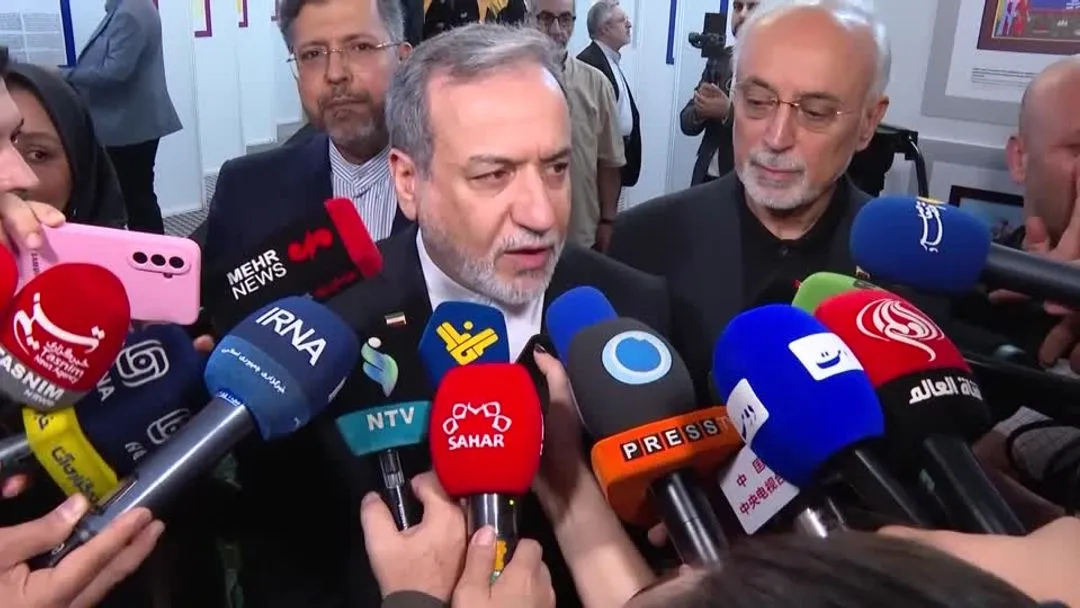
Iranian Foreign Minister Abbas Araqchi said discussions with Oman regarding the Strait of Hormuz have reached their final stages. The proposed arrangement would establish shipping lanes for commercial vessels once the necessary conditions are fulfilled. However, Tehran says the United States must take several steps before normal shipping can resume. Among Iran's demands are compensation for damage caused by US military action, an end to further military threats, removal of sanctions and the release of frozen Iranian assets. Iran has also demanded an end to what it describes as aggression against Tehran and groups aligned with it across Lebanon, Palestine, Yemen and Iraq. The demands indicate that the Strait of Hormuz reopening is closely connected to the broader US-Iran confrontation rather than being treated simply as a shipping agreement.
Why the Strait of Hormuz matters
The Strait of Hormuz is one of the world's most important energy chokepoints. It is an important route for the transportation of gas and oil from major energy-producing nations since it links the Persian Gulf with the Gulf of Oman and the larger Arabian Sea. Any prolonged disruption to the waterway could therefore have consequences well beyond the Middle East. Higher shipping costs, increased insurance premiums and uncertainty over energy supplies could place additional pressure on global markets. Countries heavily dependent on imported crude oil and natural gas could be particularly vulnerable to prolonged disruption. For this reason, developments surrounding Iran and the Strait of Hormuz are being closely monitored by governments, energy companies and shipping operators around the world.
US and Iran remain without direct talks
Despite the possibility of an agreement involving Oman, Iran and the United States are not currently holding direct negotiations. Araqchi said Tehran would not enter direct discussions with Washington while Iran believes the United States is failing to honour an interim understanding reached earlier. Instead, messages are reportedly being passed through intermediaries.US President Donald Trump has meanwhile described Washington's current approach to Iran as relatively restrained, saying the two sides are only semi-negotiating while the United States continues watching Iran's economic situation. The contrasting positions highlight how difficult it may be to reach a comprehensive settlement.
Washington offers its own sequence
A US official indicated that Washington could lift its blockade of Iranian ports once an arrangement to restore unrestricted commercial shipping through the Strait is announced. The US position suggests that both sides may be attempting to coordinate their actions in stages, with each side expecting the other to fulfil commitments before implementing its own measures. Such sequencing could become critical to any future agreement. Shipping companies have previously expressed concerns about proposals that could give Iran significant control over vessel movements through the Strait, arguing that implementing such arrangements could present practical challenges for commercial operators.
UAE reports attack on vessel
The situation became more complicated after the United Arab Emirates said Iran had attacked a vessel associated with its state-owned oil company. Iran did not immediately comment on the allegation. The incident is particularly significant because Iran's Revolutionary Guard has previously confronted vessels attempting to pass through the Strait without Iranian approval. Any additional attacks or confrontations involving commercial ships could make shipping companies more reluctant to resume normal operations even if a political agreement is reached.
Houthi attacks add another security threat
The Strait of Hormuz is not the only major shipping route facing disruption. Iran-aligned Houthi forces in Yemen have continued targeting vessels around another important maritime chokepoint linking the Red Sea and Gulf of Aden. The Houthis have also announced a naval blockade against Saudi Arabia, citing the conflict in Yemen as justification. Riyadh has rejected the accusations made against it. The developments have created a wider security problem for international shipping, with vessels potentially facing threats at multiple points across the region.
Saudi Arabia, Turkey and Pakistan deepen security cooperation
Regional tensions have also contributed to closer security cooperation among Saudi Arabia, Turkey and Pakistan. The three countries recently signed a joint defence agreement amid growing instability in the Middle East. Turkish Foreign Minister Hakan Fidan said the arrangement was not aimed specifically at Iran but represented a broader commitment to regional security. The agreement comes as Saudi Arabia faces increasing security concerns linked to developments in Yemen and the wider conflict involving Iran.
Fresh attack reported near Saudi energy infrastructure
The Houthis also claimed responsibility for an attack on Saudi Aramco's Jazan refinery. Saudi authorities confirmed that a fire occurred at the facility and was subsequently brought under control. No injuries were reported. The incident has raised additional concerns about the security of critical energy infrastructure in the region. Separately, Yemeni authorities reported renewed fighting involving Houthi forces near the Red Sea port city of Mocha. Military officials said an attack killed seven people and that air defences intercepted 11 drones.
What happens next?
The proposed Iran-Oman Strait of Hormuz deal could become an important step towards restoring commercial shipping, but the agreement alone may not resolve the wider confrontation. Iran continues to insist that Washington must address its demands, while the United States appears to be linking its own actions to Iran's implementation of commitments. The coming days could therefore prove critical for global shipping and energy markets. If a deal is reached and commercial traffic resumes, pressure on oil markets and shipping routes could ease. But if negotiations fail or further attacks occur, the Strait of Hormuz could remain at the centre of a growing regional crisis. For now, the key question is whether Iran and the United States can agree on a sequence of reciprocal steps that allows shipping to restart while addressing their much broader political and security dispute.