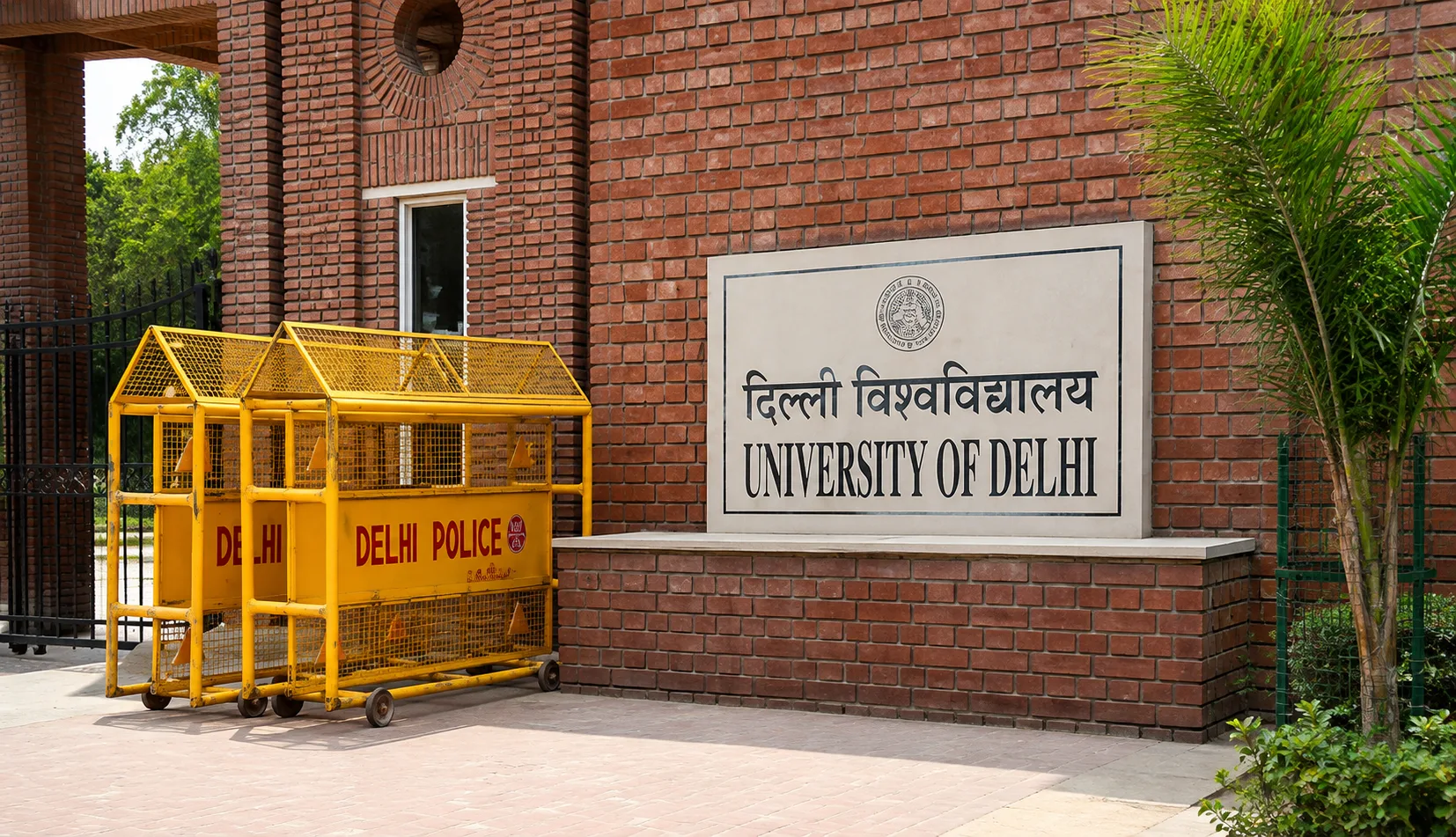
The DUSU Elections 2026 calendar has been formally released by Delhi University, laying the groundwork for another eagerly anticipated student election on campus. According to the announced programme, voting for the Delhi University Students Union will take place on September 18, 2026, while the counting of votes will be conducted the following day, September 19. Along with the election dates, the university has also introduced changes to several aspects of the electoral process. The revised rules focus on making campaigning more disciplined, limiting unnecessary disruption and reducing the role of money in student elections.
DUSU Elections 2026: Important Dates
Students planning to contest the election will have to complete the nomination process within the specified deadline. The deadline for submitting nomination papers, affidavits, and the necessary ₹500 demand draft is September 10, 2026. In order to run for Central Council membership, candidates must get the necessary nomination papers from their respective departments, colleges, or other establishments. The university has also instructed candidates to download the prescribed nomination forms from the official Delhi University website. On September 10 at 3:15 p.m., the nomination papers will be examined. The list of candidates whose nominations have been approved will be released that day at 6 p.m. following review.
Withdrawal Deadline and Final Candidate List
Candidates who decide not to contest after submitting their nomination will have an opportunity to withdraw their candidature. The nomination withdrawal deadline is set for September 11, 2026, at noon. The final list of applicants will be made public by Delhi University on September 11 at 5 p.m. The candidates who will formally enter the DUSU election campaign will be chosen from this final list.
DUSU Voting on September 18
The voting schedule has been divided according to day and evening classes to accommodate students across different academic schedules. For students attending day classes, polling will be held from 8:30 am to 1 pm. Students enrolled in evening classes will get the opportunity to vote from 3 pm to 7:30 pm. The university is expected to implement arrangements at participating colleges and departments to ensure voting takes place according to the announced schedule. The results will follow quickly, with vote counting scheduled for September 19.
₹1 Lakh Security Bond Removed
One of the notable changes this year is the removal of the ₹1 lakh security bond that had been introduced during the previous election cycle. The bond was intended to discourage candidates and supporters from damaging university property or violating campaign-related rules. However, the requirement faced opposition from sections of the student community because of the financial burden it could place on candidates. Under the revised approach, candidates accused of violating university rules may instead face disciplinary consequences. Depending on the nature and seriousness of the violation, such action could include disqualification. The change is likely to be closely watched during the campaign period.
Restrictions on Campaign Convoys
Delhi University has also tightened the rules governing campaign rallies and vehicle convoys. Under the new guidelines, a candidate will be allowed to have a maximum of five vehicles in a campaign convoy. The restriction is intended to prevent large motorcades from creating unnecessary disruption on campus and surrounding areas. The university has also prohibited the use of election stickers displaying candidates' names or party symbols on vehicles such as cars, buses, jeeps, auto-rickshaws and e-rickshaws. These restrictions could significantly change the way candidates conduct their campaigns compared with previous years.
Heavy Machinery and Animals Banned From Campaigning
Another important provision concerns the use of heavy machinery and animals during election campaigns. Candidates will not be permitted to use equipment such as tractors and JCB machines for campaigning. The use of animals as part of election campaigns has also been prohibited. The restrictions appear aimed at preventing extravagant displays and reducing the possibility of disruption, safety concerns or damage to university property.
Focus on a More Disciplined Election Process
The latest changes indicate that Delhi University is seeking to make the DUSU election process more controlled and orderly. Student elections at the university have traditionally attracted significant attention, with candidates relying on rallies, posters, vehicles and extensive campus outreach to connect with voters. However, campaign-related noise, traffic, property damage and excessive spending have frequently been concerns surrounding student elections. The revised rules attempt to address some of these issues without removing the competitive nature of the election.
What Students Should Know
For students interested in contesting the DUSU Elections 2026, following the nomination and campaign rules will be crucial. Missing a deadline or violating electoral guidelines could have consequences for a candidate's participation. The election schedule gives candidates a clear timeline, beginning with nominations and scrutiny, followed by withdrawals and publication of the final candidate list. Campaigning will then lead up to polling day on September 18.
DUSU Elections 2026: Key Takeaway
The DUSU Elections 2026 will be held on September 18, with vote counting scheduled for September 19. Nomination-related formalities will take place on September 10 and 11. This year's election also brings significant changes, including the removal of the ₹1 lakh security bond, a five-vehicle limit for campaign convoys and restrictions on election stickers, heavy machinery and animals. With stricter campaign guidelines and a clearly defined election timetable, the 2026 DUSU polls are expected to be an important test of how Delhi University balances student participation with discipline and orderly campaigning.