The Delhi government has taken strict action against a Jan Aushadhi Kendra operating inside a government hospital in Dwarka after allegations surfaced that patients were being denied essential medicines. The outlet's license was revoked on Tuesday, according to Chief Minister Rekha Gupta, who called the event a grave breach of public confidence. The Chief Minister took fast action after a video purportedly depicting the rejection of medications went popular on social media. Gupta stressed that "public service is non-negotiable" and that public healthcare services must continue to be open, accountable, and accessible.
Viral Video Sparks Government Response
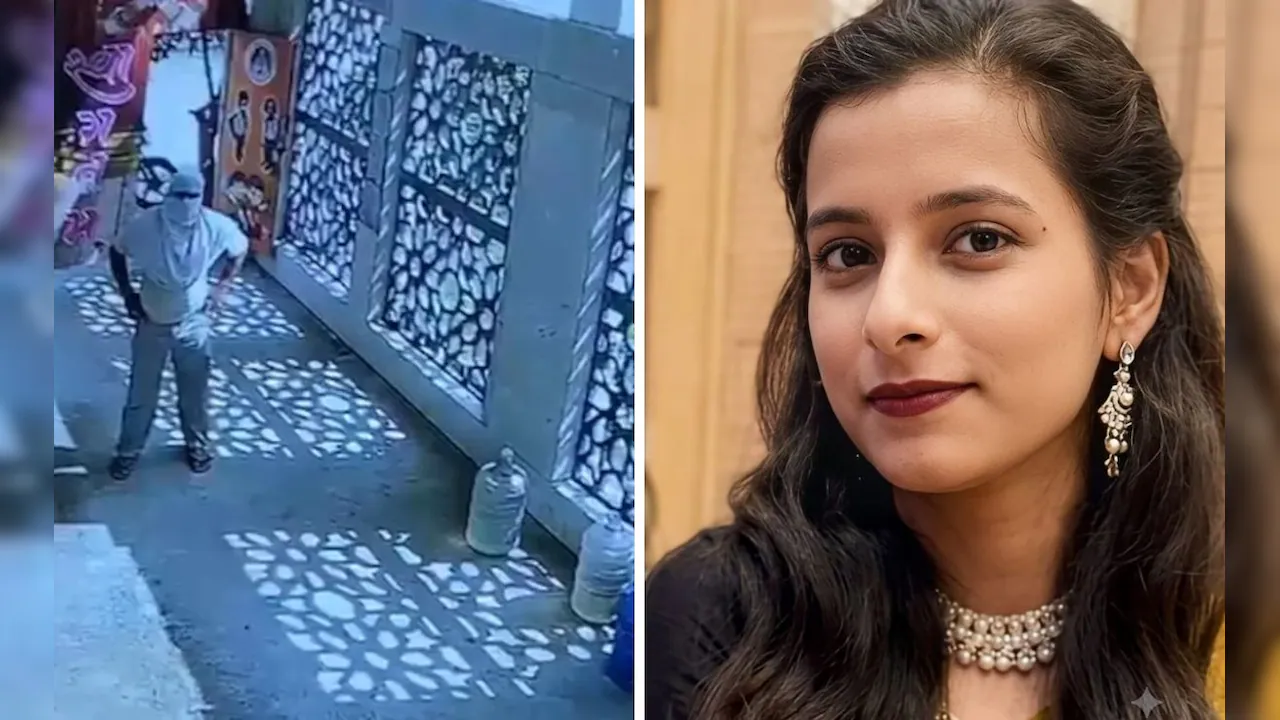
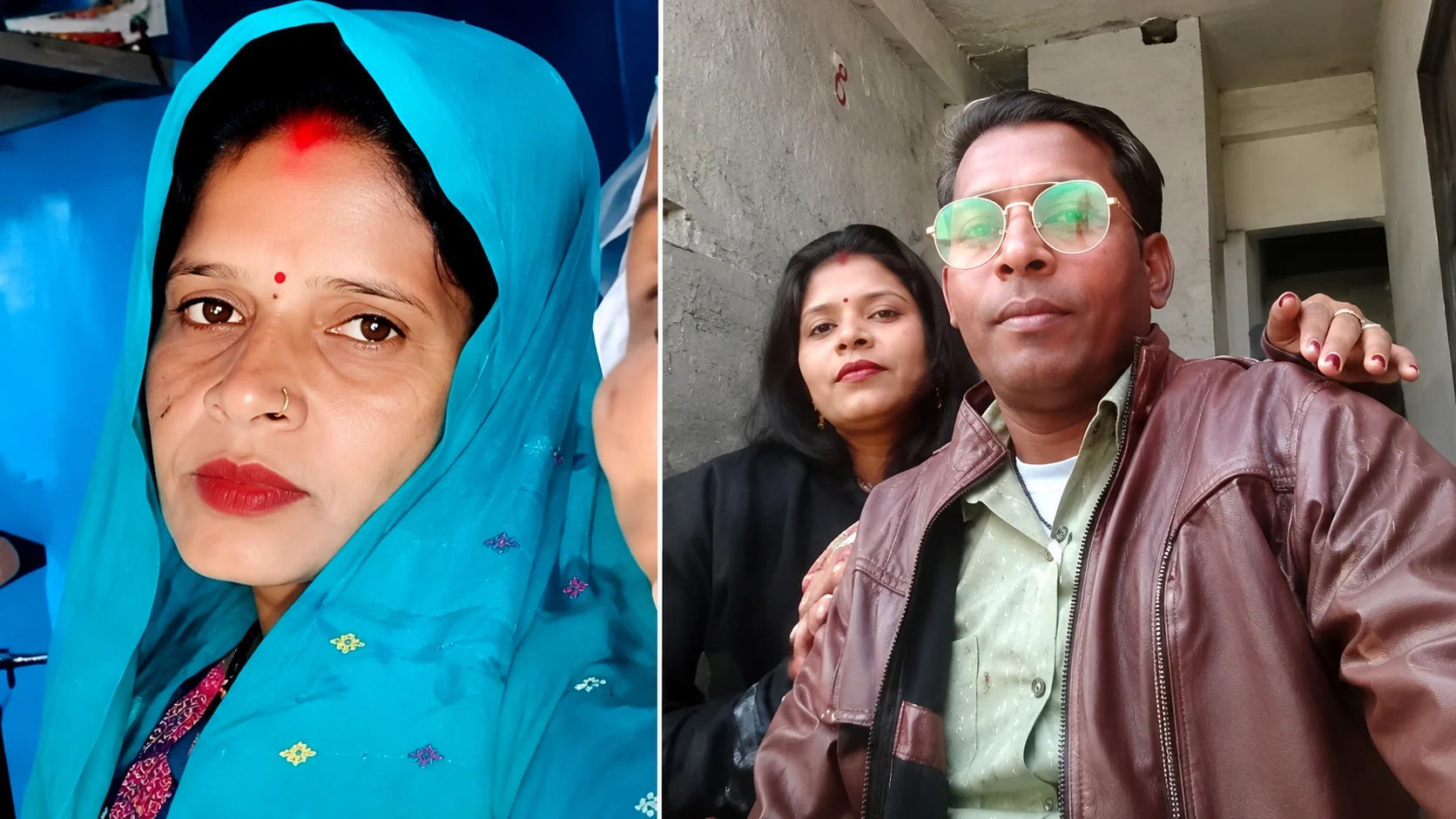
The uproar started after a video of a guy accusing Jan Aushadhi Kendra employees of refusing to give prescription drugs that doctors had recommended went viral on social media. According to the man in the video, despite carrying a valid prescription, he was denied the medicines he required. The clip quickly gained attention online and was shared across multiple platforms. After obtaining the footage from many sources, Chief Minister Rekha Gupta eventually acknowledged that she had personally reviewed the episode. Taking note of the accusations, the Chief Minister promised the public that carelessness in healthcare services would not be accepted and ordered an immediate investigation.
Licence Cancelled After Preliminary Investigation
Following an initial review of the incident, the Delhi government decided to cancel the operating licence of the vendor managing the Jan Aushadhi Kendra. Officials stated that government healthcare facilities exist to serve citizens, particularly those who rely on affordable medicines for treatment. If proven, any failure to administer prescribed medications constitutes a grave violation of duty and compromises the goal of public welfare programs. The administration has instructed the relevant authorities to investigate whether other Jan Aushadhi centers in the city have same problems.
What Are Jan Aushadhi Kendras?
The Pradhan Mantri Bhartiya Janaushadhi Pariyojana (PMBJP), a flagship program of the Indian government, includes Jan Aushadhi Kendras and aims to supply high-quality generic medications at reasonable costs. These facilities assist patients in lowering their medical costs by providing generic substitutes that are substantially less expensive while still meeting the same quality criteria as branded medications. Thousands of Jan Aushadhi Kendras operate across the country, including many inside government hospitals, where they play an important role in ensuring affordable healthcare for economically weaker sections of society.
Chief Minister Sends Strong Message
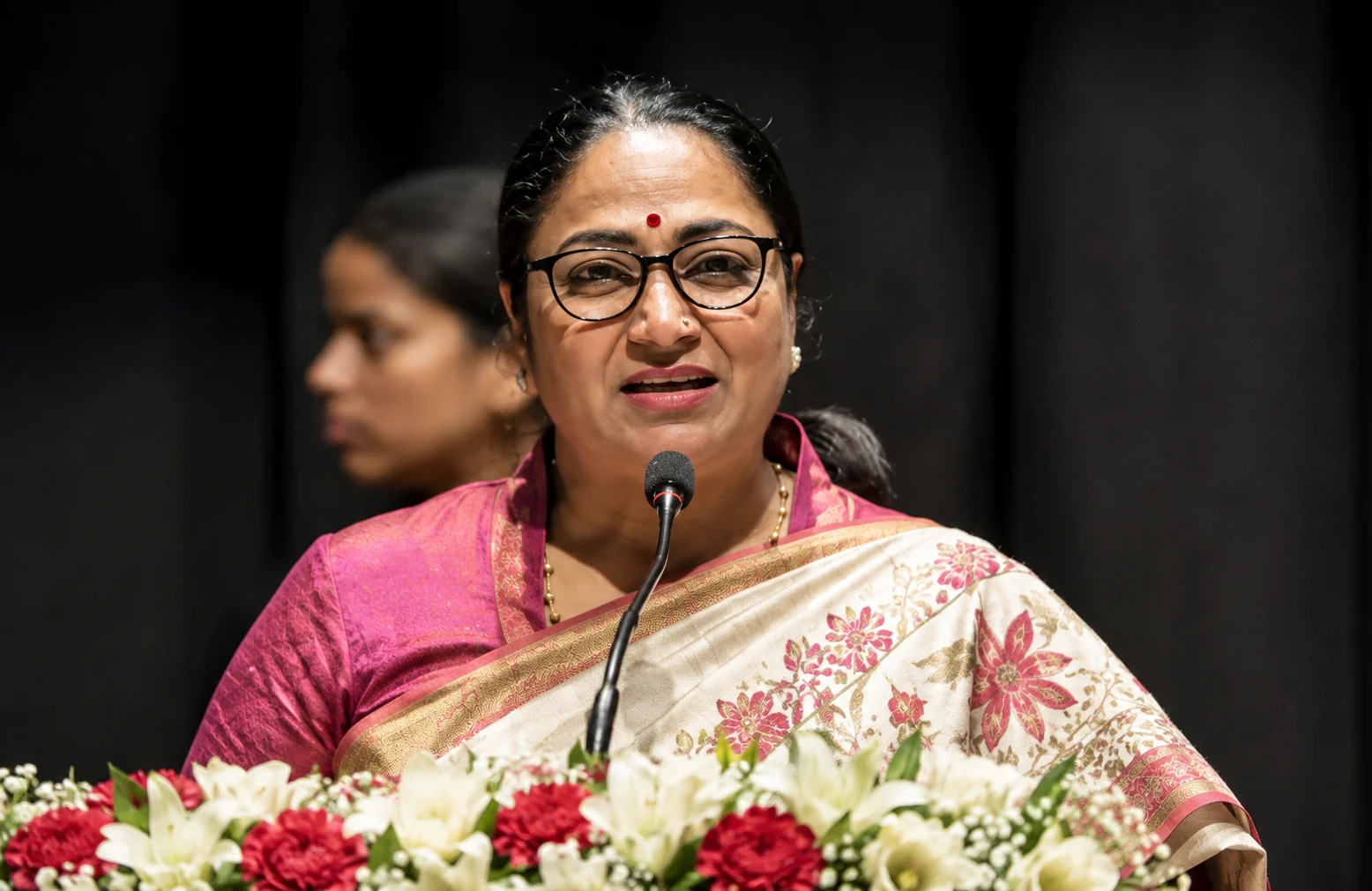
While announcing the cancellation of the licence, Chief Minister Rekha Gupta reiterated that healthcare services must always prioritize patients. She stated that citizens visiting government hospitals should never face unnecessary hardship while accessing prescribed medicines. According to her, every department and every service provider working under government schemes is expected to maintain the highest standards of responsibility and public accountability. Gupta further instructed officials to strengthen monitoring mechanisms so that similar incidents can be identified and addressed without delay.
Need for Better Monitoring in Public Healthcare
Healthcare experts believe that while strict action against erring vendors is necessary, long-term reforms are equally important. They suggest introducing regular inspections, digital inventory tracking, surprise audits, and stronger grievance redressal systems to ensure uninterrupted medicine availability. Transparent monitoring can help prevent misuse, improve service delivery, and rebuild public confidence in government healthcare institutions. Experts also emphasize that patient complaints should be addressed promptly, and hospitals should establish dedicated help desks where people can report issues without difficulty.
Public and Political Reactions
The incident has triggered widespread discussion on social media and among political leaders. While several people appreciated the Delhi government's quick response, others argued that stronger preventive mechanisms should already have been in place. Many citizens welcomed the cancellation of the licence, viewing it as a message that negligence in public healthcare will not be overlooked. At the same time, public health advocates stressed that ensuring consistent medicine availability across all government facilities should remain the administration's top priority.
What Happens Next?
Following the action against the Dwarka Jan Aushadhi Kendra, the Delhi Health Department is expected to intensify inspections of similar outlets functioning in government hospitals. Officials may review operational procedures, stock management systems, and patient service standards to ensure compliance with government guidelines. Any additional violations discovered during inspections could result in disciplinary action against other vendors. The incident has once again highlighted the importance of accountability in public healthcare. While affordable medicine schemes have benefited millions of people, their success ultimately depends on honest implementation, efficient oversight, and timely action whenever patients' rights are compromised.