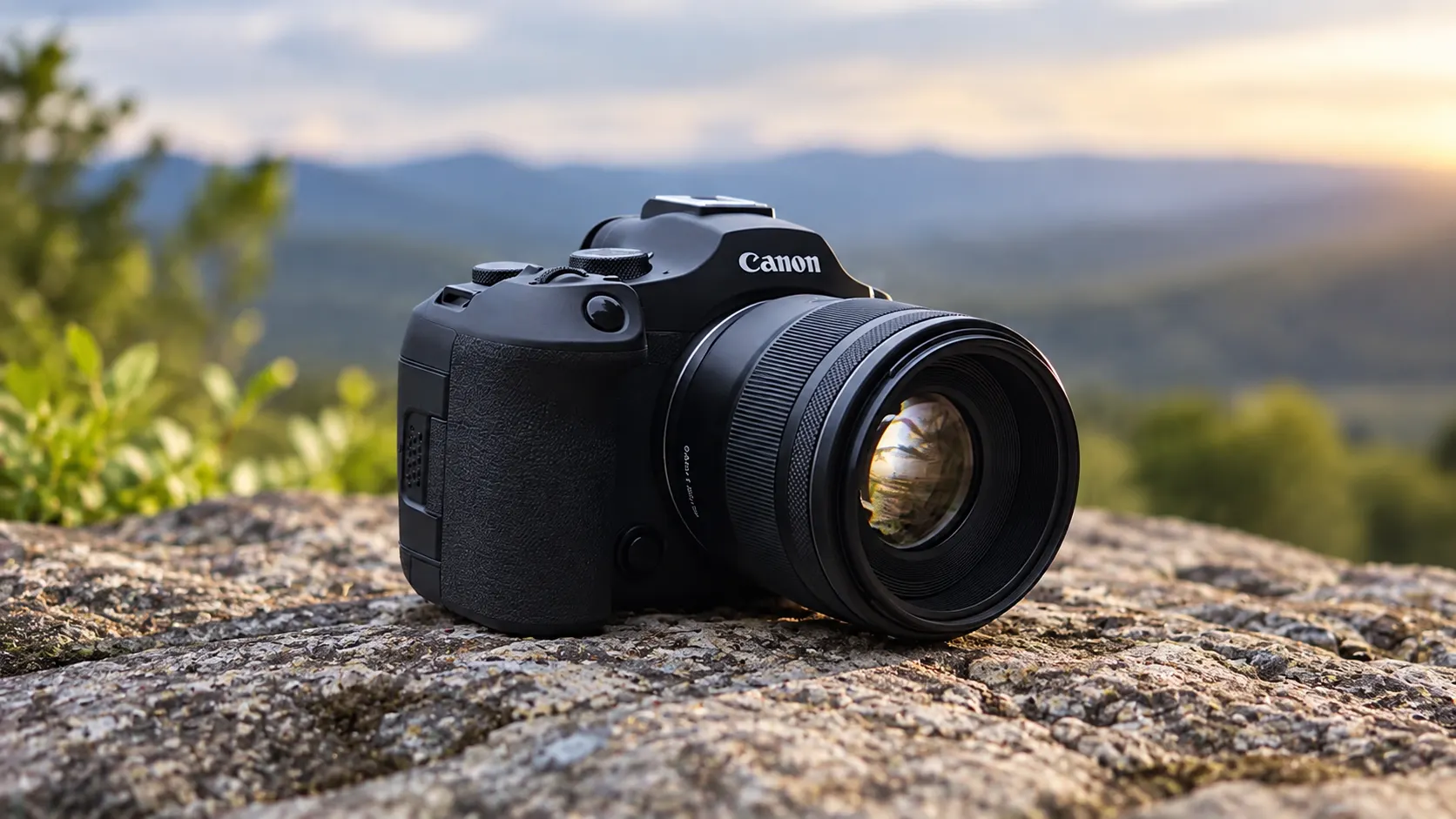
Wildlife photography is all about being prepared for moments that can happen without warning. A bird may suddenly take flight, a deer can sprint across the frame, or a tiger may briefly appear from behind dense vegetation. In situations like these, photographers have only a few secondsor sometimes even lessto capture the perfect shot. This is why choosing a wildlife camera is not simply about looking for the highest megapixel count. Features such as fast autofocus, reliable subject tracking, rapid burst shooting, strong low-light performance and compatibility with telephoto lenses can have a much greater impact on the final image.
Fast Autofocus Makes a Major Difference
When photographing animals, there is often no time to manually adjust focus. A camera with a fast and accurate autofocus system can recognize the subject and keep it sharp as it moves around the frame. Modern mirrorless cameras have become particularly capable in this area, with advanced systems designed to detect animal bodies and eyes. This can be extremely useful when photographing birds in flight or animals moving through forests, grasslands or other complicated backgrounds. Instead of constantly worrying about where the focus point is, photographers can concentrate more on framing and timing the photograph.
Burst Shooting Helps Capture Fleeting Moments
Wildlife rarely follows a photographer's instructions. Even an animal that appears stationary can suddenly move, jump, run or change direction. High-speed continuous shooting allows photographers to capture several frames within a very short period. This increases the chances of getting a photograph with the right expression, posture or movement. For example, when photographing a bird taking off, a rapid burst can capture different positions of its wings, allowing the photographer to select the strongest frame later. However, shooting speed should not be considered in isolation. The camera's buffer capacity is also important because a camera that slows down quickly after its buffer fills can become frustrating during fast-moving sequences.
Resolution Can Help When Wildlife Is Far Away
Wildlife photographers often have to maintain a considerable distance from their subjects. This is necessary not only for safety but also to avoid disturbing the animals. When an animal appears relatively small in the frame, a high-resolution sensor can provide additional flexibility during editing. Photographers may be able to crop the image and still retain a good amount of detail. However, a higher megapixel count does not automatically make one camera better than another for wildlife photography. A camera with slightly lower resolution but excellent autofocus, fast shooting and strong high-ISO performance may deliver better results in real-world conditions.
The Right Telephoto Lens Is Essential
A powerful camera body is only part of the wildlife photography setup. The lens plays an equally important role, particularly when photographing animals from a distance. Long telephoto lenses allow photographers to fill more of the frame without getting physically close to the subject. Focal lengths such as 400mm, 500mm and 600mm can be particularly useful for birds and safari photography. Zoom telephoto lenses can also be a practical option, especially for beginners, because they offer more flexibility when the distance between the photographer and subject changes. For anyone planning frequent wildlife trips, spending money on a quality telephoto lens can sometimes make a bigger difference than moving to a camera with a slightly higher-resolution sensor.
Low-Light Performance Should Not Be Ignored
Many wildlife encounters happen during early morning or late afternoon when natural light is limited. In these conditions, the camera needs to perform well at higher ISO settings so photographers can maintain sufficiently fast shutter speeds. This is especially important when the subject is moving, because a slow shutter speed can result in motion blur. A camera with good high-ISO performance can help produce cleaner images in challenging lighting conditions. Image stabilization is another useful feature, particularly when shooting handheld or from a stationary position. However, stabilization cannot completely eliminate motion blur caused by a fast-moving animal, so shutter speed remains critical.
Why Mirrorless Cameras Are Popular for Wildlife
Modern mirrorless cameras offer several features that make them attractive to wildlife photographers. Advanced subject-detection autofocus can recognize birds and animals, while electronic viewfinders provide a real-time view of exposure and composition. Some cameras can also maintain focus on a subject as it moves across the frame, reducing the amount of manual work required from the photographer. Silent shooting can be another advantage in situations where minimizing noise is important. Together, these technologies can make it easier to react quickly when an unexpected wildlife moment appears.
Features to Check Before Buying
Anyone shopping for a wildlife camera should look beyond megapixels and consider the complete shooting experience. A good wildlife camera should ideally offer fast and accurate animal or bird detection, dependable subject tracking, a high continuous shooting rate and a sufficiently large buffer. Good high-ISO performance, effective image stabilization and a comfortable grip can also be valuable during long sessions outdoors. Weather sealing is worth considering as well because wildlife photography often involves dust, rain, humidity and unpredictable outdoor conditions. Battery life is another practical factor, particularly for photographers spending several hours on safari or in remote locations.
Which Camera Is Right for You?
There is no single camera that works perfectly for every wildlife photographer. Bird photographers may prioritize extremely fast autofocus and burst shooting, while safari photographers might put greater emphasis on telephoto reach, low-light performance and portability. Beginners also do not necessarily need the most expensive professional camera available. A capable mid-range mirrorless camera paired with a good telephoto lens can produce impressive results when used properly. Ultimately, the best wildlife camera is one that can focus quickly, track a moving subject accurately and respond immediately when an unexpected moment unfolds.