Guwahati: The flood situation in Assam continues to remain serious, with heavy rains and overflowing rivers affecting thousands of families across the state. According to officials, the death toll linked to this year's floods has climbed to 82, while nearly 1.92 lakh people are still reeling under the impact of the disaster. Thousands of people are forced to rely on government aid and relief camps as a result of the ongoing flooding in several areas, which disrupts daily life and damages infrastructure. Authorities say the situation is far from normal because several villages are still cut off and rehabilitation operations are ongoing, even if water levels have gradually improved in some locations.
Five Districts Continue to Face the Worst Impact
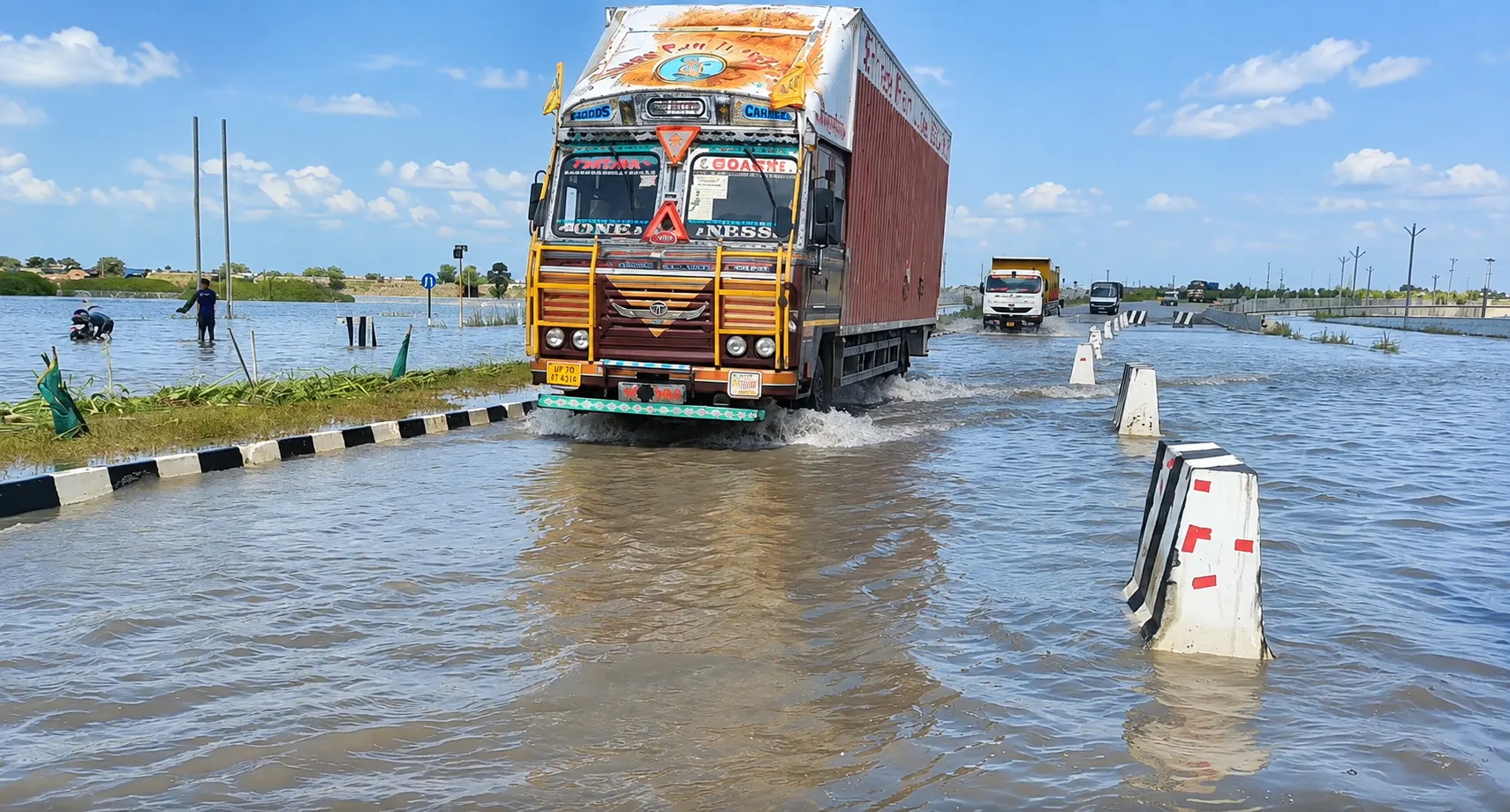
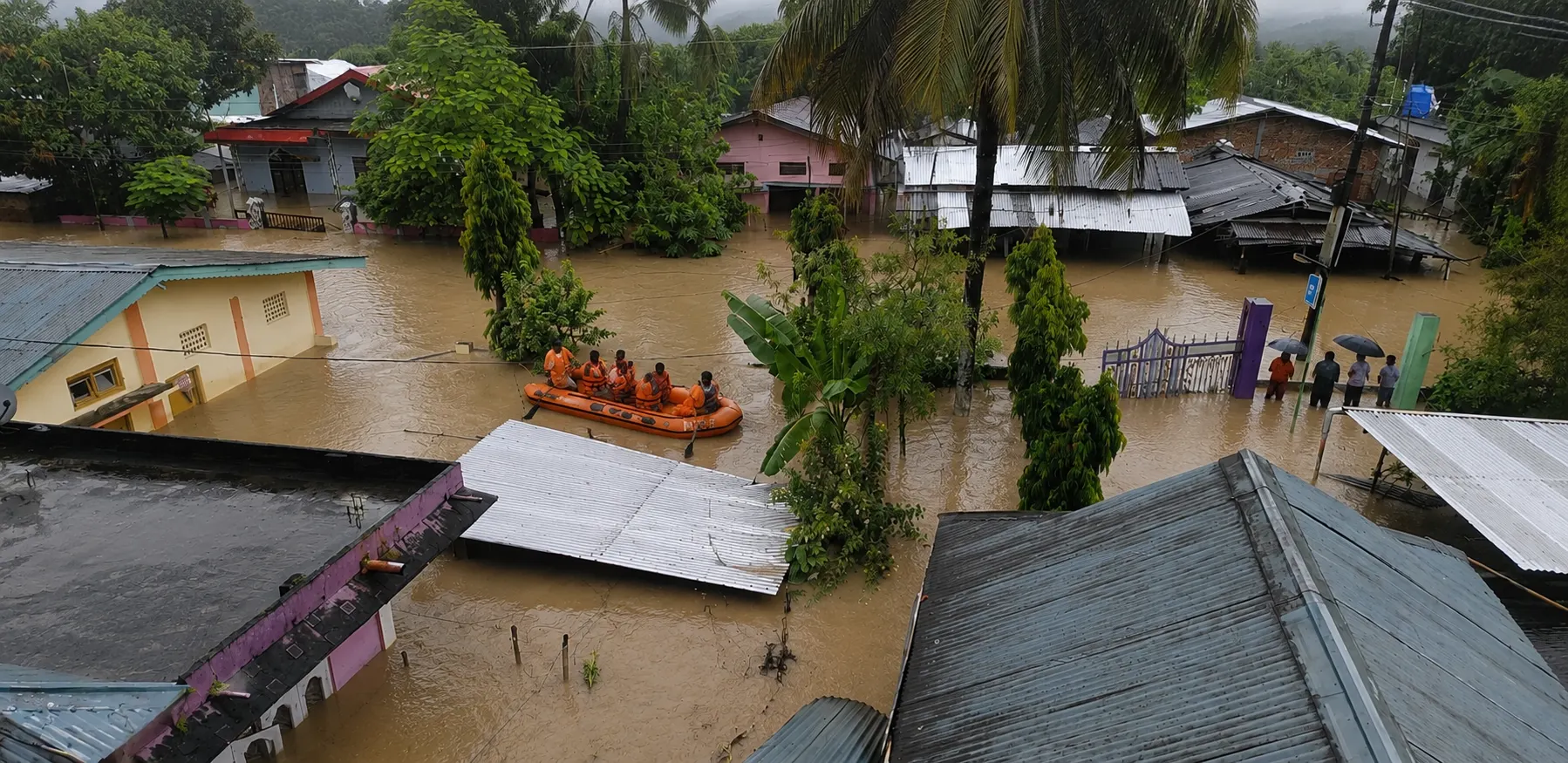
Sivasagar, Golaghat, Jorhat, Nagaon, and Charaideo continue to be the districts most severely hit, according to the most recent assessment of the Assam State Disaster Management Authority (ASDMA). Floodwaters have submerged homes, roads, agricultural land and public infrastructure, making transportation and communication difficult in several regions. Many villages remain surrounded by water, forcing residents to use boats for daily movement. In low-lying areas, floodwater has entered residential colonies, damaging household belongings and increasing the risk of waterborne diseases.
Death Toll Climbs to 82
Officials reported that two additional persons had died in different flood-related accidents, bringing the total number of fatalities this season to 82. Among the dead are those who perished in flood-related incidents or were carried away by powerful currents. Because unstable embankments and powerful currents continue to be a major hazard, authorities have advised residents living near rivers and flooded areas to exercise caution.
Nearly 1.92 Lakh People Still Affected
Although floodwaters have started receding in certain pockets, around 1.92 lakh people continue to face the consequences of the disaster. Thousands of families are struggling with damaged homes, loss of livestock and destruction of crops. Government agencies are providing food, drinking water, medicines and other essential supplies through relief camps and distribution centres. However, officials acknowledge that restoring normal life will take time, particularly in remote villages that remain inaccessible by road.
Relief and Rescue Operations Continue
Rescue and relief efforts in impacted districts are still being carried out by the Assam government, the National Disaster Response Force (NDRF), the State Disaster Response Force (SDRF), district administrations, and local volunteers. Boats have been deployed to evacuate stranded residents and deliver relief materials to isolated villages. Medical teams are also visiting flood-hit areas to provide healthcare services and prevent the spread of infectious diseases, which often become a concern after prolonged flooding. Officials say relief camps are functioning across the affected districts, offering temporary shelter, food and medical assistance to displaced families.
Agriculture Suffers Major Losses
Flooding has caused extensive damage to agricultural land across Assam. Thousands of hectares of standing crops have been submerged, raising concerns about farmers' livelihoods and food production. Paddy fields, vegetable farms and other cultivated areas have suffered heavy losses due to continuous waterlogging. Agricultural experts believe that many farmers may require financial assistance and compensation to recover from the damage. The loss of crops is expected to have a significant economic impact on rural communities that rely primarily on farming.
Infrastructure Damaged Across Flood-Hit Areas
The floods have also damaged roads, bridges, embankments and public utilities in several districts. Many rural roads remain under water, making it difficult for relief teams to reach affected villages. Electricity supply has been disrupted in certain localities as a precautionary measure, while drinking water systems have also been affected. Government departments have begun assessing infrastructure damage to prepare for restoration work once water levels recede completely.
Health Concerns Increase After Flooding
Health officials have expressed concern over the possibility of waterborne diseases such as diarrhoea, cholera and skin infections spreading in flood-affected regions. Medical teams are distributing medicines, chlorine tablets and safe drinking water while conducting awareness campaigns among residents. Children, elderly people and pregnant women remain among the most vulnerable groups in relief camps, prompting authorities to strengthen healthcare services in affected districts.
Administration Monitoring Situation Closely
The Assam Government has stated that district administrations are continuously monitoring river levels and weather conditions. Officials are coordinating with disaster management agencies to ensure timely evacuation if fresh flooding occurs due to additional rainfall. Residents have been advised to follow official advisories, avoid crossing flooded roads and immediately report emergencies to local authorities.
Situation Remains Challenging
Although water levels have shown signs of improvement in some parts of the state, officials say the crisis is not yet over. Large numbers of people continue to depend on government assistance, while rehabilitation and reconstruction efforts are expected to continue for several weeks. With 82 lives already lost and 1.92 lakh people still affected, Assam remains engaged in one of its most challenging flood relief operations this year. Authorities have assured that relief, rescue and rehabilitation measures will continue until normalcy is fully restored across all affected districts.