
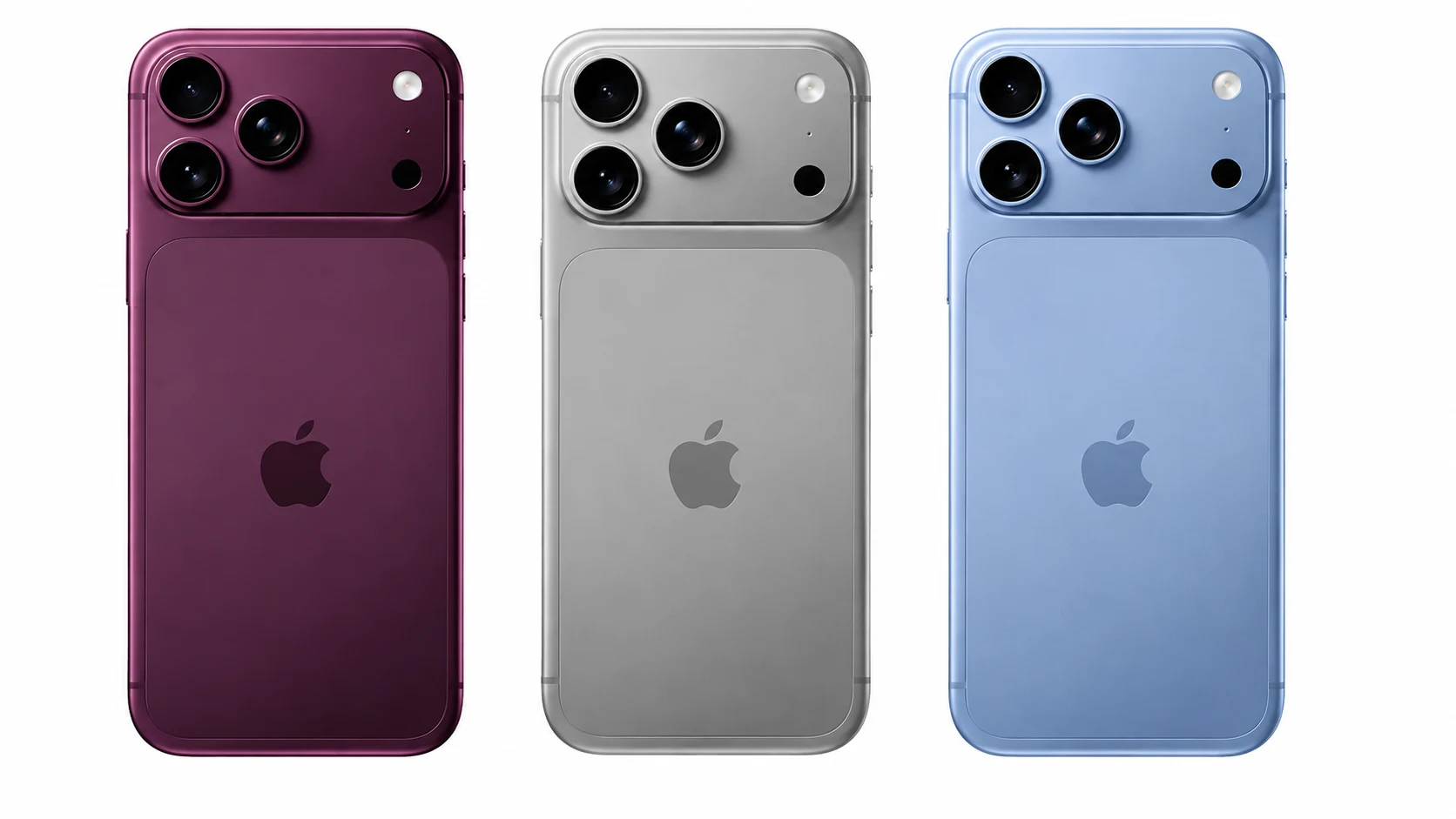
The tale of smartphone manufacture in India may be about to take a new turn as the nation seeks to establish powerful domestic mobile brands and transcend its status as a major assembly hub. Union Electronics and IT Minister Ashwini Vaishnaw has indicated that Apple could expand its manufacturing activities in India beyond iPhones, while three potential Indian smartphone players could emerge within the next 10 to 14 months. The focus is increasingly shifting from simply assembling devices in India to building local design capabilities, intellectual property, component supply chains and Indian brands.
Apple Could Do More Than Make iPhones in India
Vaishnaw responded that it is possible for Apple to increase its manufacturing foothold in India beyond only producing iPhones. The statement indicates the government's hope that India's position in Apple's global manufacturing strategy could expand, even if he did not reveal specific goods or provide a date for any such increase. Apple has already made India an important part of its manufacturing network. Its contract manufacturers have significantly increased iPhone production in the country, helping India emerge as one of the worlds largest mobile manufacturing bases. According to data the minister released earlier this year, Apple exported around $1 billion worth of iPhones from India in 2025. The next stage could therefore involve a wider electronics ecosystem rather than focusing exclusively on iPhone assembly.
Three Indian Smartphone Players in the Pipeline
Additionally, Vaishnaw disclosed that the government is collaborating with three prospective Indian smartphone startups that may launch within the next ten to fourteen months. The minister claims that these businesses have been urged to create robust, best-in-segment designs and pinpoint the markets in which they think they can successfully compete. In particular, the government wants to make sure that these businesses create true technology and creative capabilities rather than just labeling imported goods as Indian. Despite having a sizable manufacturing base, the endeavor may represent a significant shift for India's smartphone market, which is currently dominated by foreign companies.
Government Wants Indian Brands to Compete
The governments objective is not simply to increase the number of phones manufactured in India. It wants Indian companies to capture a larger share of the value created by the smartphone industry. Vaishnaw said the potential domestic players are being asked to identify the market segments where they are most comfortable competing. These include economy, premium and super-premium categories. The companies have indicated an interest in the high-volume segment, which could mean affordable and mass-market smartphones will initially receive greater attention. However, government support is expected to depend on factors such as product quality, design capabilities and intellectual property. This approach is aimed at ensuring that new Indian brands can eventually compete on technology and innovation rather than price alone.
India Wants to Move Up the Electronics Value Chain
India has already achieved considerable growth in mobile manufacturing. According to government data, the country is now the worlds second-largest mobile phone manufacturer by volume, with more than 300 manufacturing facilities. Mobile phone production reached around ₹5.45 lakh crore in FY2024-25, while exports were approximately ₹2.05 lakh crore. But manufacturing scale does not automatically translate into ownership of brands, technology or intellectual property. A large part of Indias success so far has been built around manufacturing and assembly for global companies. The government now wants the next stage of growth to involve Indian companies developing their own products, designs and technologies.
What Is the Mobile Phone Manufacturing Scheme?
The new Mobile Phone Manufacturing Scheme is at the centre of this broader strategy. Approved in July 2026, the ₹62,500 crore programme is designed to strengthen mobile manufacturing, increase domestic value addition and encourage greater participation from Indian companies. The five-year scheme will run from FY2026-27 through FY2030-31. The scheme also includes incentives linked to local sourcing, Indian brands, product design and research and development. This represents a shift from the earlier emphasis on simply increasing production volumes. The government expects the policy to encourage manufacturers and suppliers to build deeper capabilities within India.
Why Apples Expansion Matters
Apples potential expansion beyond iPhone manufacturing would be significant for Indias electronics industry. The companys growing manufacturing footprint has already attracted major suppliers and created a wider network of component and assembly operations. Apple has also been diversifying its production base beyond China, with India becoming an increasingly important manufacturing location. This trend could encourage other global technology companies to consider India for more parts of their supply chains. A broader Apple presence could also create opportunities for Indian suppliers involved in components, logistics, engineering, testing and other manufacturing services.
Can Indian Brands Challenge Global Rivals?
Building successful Indian smartphone brands will not be easy. Companies such as Xiaomi, Samsung, Vivo, Oppo and other established players already have strong distribution networks, large marketing budgets and loyal customer bases. India has had homegrown smartphone brands in the past, including Lava, Micromax and Karbonn, but they lost substantial market share as Chinese manufacturers expanded aggressively. The new government strategy is therefore aimed at creating companies that can compete through better technology, product design, research and development and manufacturing efficiency.
A New Phase for Indias Smartphone Industry
The developments point toward a broader ambition for Indias electronics sector. The country has already established itself as a major destination for mobile phone manufacturing and exports. The next challenge is to ensure that more of the value generated by this industry remains with Indian companies. If Apple expands its manufacturing operations beyond iPhones and the three potential Indian smartphone players successfully enter the market within the expected timeframe, Indias mobile industry could look considerably different over the next few years.