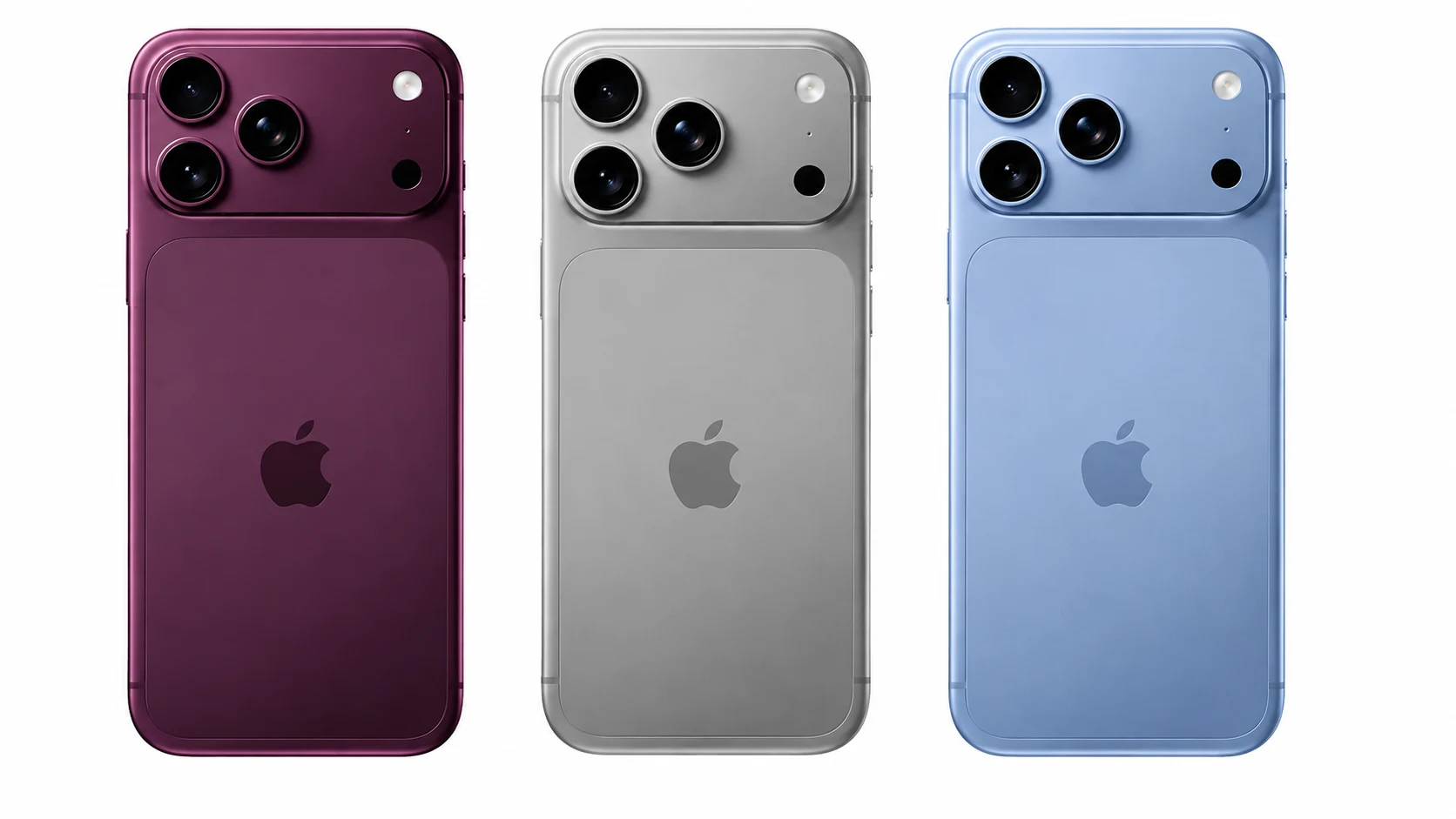
New Delhi: For years, Indian smartphone buyers have become accustomed to one familiar pattern: when a new flagship arrives, the previous model usually becomes cheaper. Apple, however, has increasingly challenged that expectation. The latest iPhone 18 Pro price in India starts at ₹1,64,900, while Apples first foldable, the iPhone Duo, is listed from ₹2,99,900. More strikingly, Apple has also raised prices for several existing iPhone models instead of giving consumers the traditional post-launch discount. So why doesn't Apple simply reduce prices to reach a much larger section of India's 1.4-billion-plus population? The answer has little to do with the average Indian income. Apple is not trying to sell an iPhone to every Indian consumer. Its business model in the country is increasingly focused on a much smaller group of consumers who are willingand often ableto pay a premium. And that group is becoming large enough to matter.
Indias smartphone market is becoming a premium market
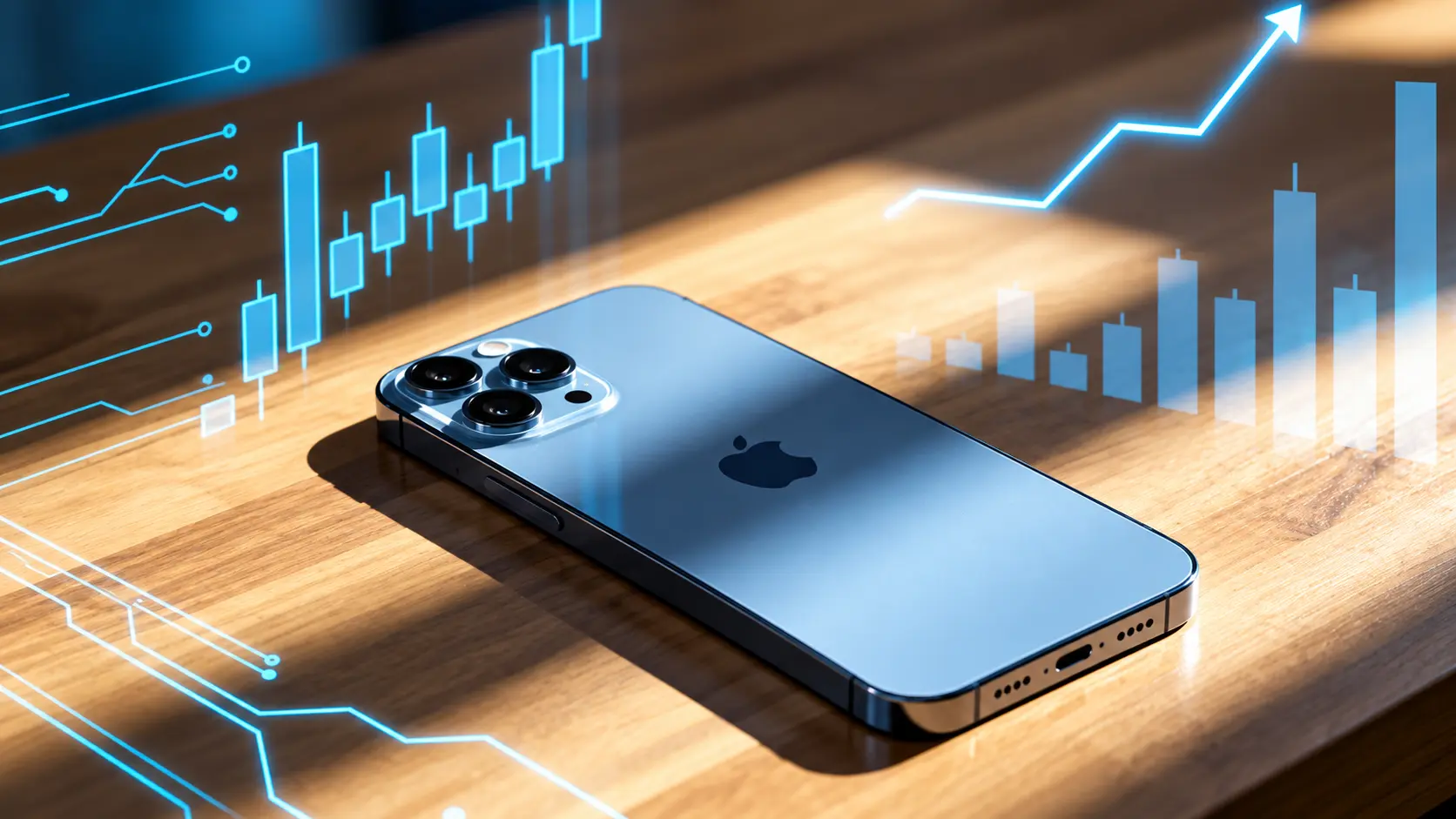
Looking at India's smartphone market only through shipment numbers can be misleading. Counterpoint Research says India's overall smartphone market grew just 1% in volume during 2025. Yet the market's value increased by 8%. That difference tells an important story: Indians may not be buying dramatically more smartphones, but many buyers are choosing more expensive ones. The premium segment has consequently become one of the strongest parts of the market. Apple benefited enormously from that shift. The company recorded a 28% value share of India's smartphone market in 2025, its highest ever, while iPhone shipments grew 28% year-on-year. That changes Apple's calculation. If consumers are already moving towards expensive smartphones, Apple doesn't necessarily need to chase the mass market by making the iPhone cheaper. instead, it can concentrate on consumers who want the product badly enough to pay more.
The average Indian is not Apple's real customer
India's per-capita income is often used to demonstrate how expensive an iPhone looks relative to the country's economic position. But national averages hide enormous differences in purchasing power. There are households struggling to purchase a basic smartphone, while at the other end of the income distribution are consumers buying premium phones, laptops, watches and cars without making the purchase primarily on price. This is the segment Apple is interested in. For Apple, the relevant question isn't:
Can the average Indian afford an iPhone?
The more important question is:
How many Indians can afford a premium iPhone?
That number is still enormous.
ndia's affluent and aspirational consumer base is large enough to support an expensive technology product even when a significant majority of the population remains highly price-sensitive. This is one reason Apple's India strategy can appear contradictory from the outside. The country can simultaneously be a price-sensitive smartphone market and an increasingly attractive premium market.
EMI has changed the psychology of buying an iPhone
There is another major factor behind Apple's success: consumers don't always pay the entire price upfront. A ₹1.6 lakh smartphone sounds dramatically different when viewed as a single payment. Spread across monthly instalments, however, the psychological barrier becomes considerably smaller. Apple itself promotes financing options in India, including No Cost EMI, cashback and trade-in programmes. Its current India buying options advertise up to six months of No Cost EMI with eligible banks. This matters because financing changes the way consumers evaluate affordability. Instead of asking, Can I spend ₹1,64,900 today?, a buyer may ask, Can I manage the monthly payment? That distinction has helped premium smartphones penetrate India's aspirational middle class. It also explains why India's premiumisation trend cannot be understood purely through income statistics.
Apple is selling more than hardware
Another reason Apple can maintain high prices is that the iPhone has become a brand rather than merely a communication device. A consumer buying an iPhone isn't necessarily comparing only processor speed, camera megapixels or battery capacity.
They may also be buying:
- Apple's software ecosystem
- Long-term software support
- Brand recognition
- Resale value
- Integration with other Apple products
- Camera and video capabilities
- Perceived reliability
- Social and lifestyle appeal
This creates something economists call pricing power. When customers believe one product offers a different overall experience, they become less sensitive to small differences in price. That gives Apple considerably more freedom than many Android manufacturers.
Why Apple can raise prices instead of cutting them
The latest pricing move provides perhaps the clearest indication of Apple's strategy. After the iPhone 18 Pro launch, Apple increased prices for several models already available in India. The iPhone 17, for example, moved from ₹82,900 to ₹99,900, while other models also became more expensive. This is unusual because consumers normally expect older models to become cheaper when a new generation arrives. Apple went in the opposite direction. One reason is rising component costs. Industry reports have pointed to higher memory and other component expenses as a major pressure on smartphone manufacturers in 2026. Reuters reported that Apple's Indian price increases have been significantly steeper than those in the US, while also highlighting India's import duties and 18% GST as factors affecting local prices. But there is another strategic reason. Apple has little incentive to destroy the premium positioning of its products through permanent discounts.
Discounting too aggressively could hurt Apple's biggest advantage
Imagine Apple suddenly reduced the price of its flagship iPhone by ₹30,000. Sales might increase. But the company would also risk changing consumer expectations. Customers who previously believed an iPhone was a premium product might begin waiting for discounts. Retailers could demand more promotional support. Existing owners could feel their devices had lost value more quickly. Most importantly, Apple would be competing more directly with premium Android phones on price. That is not necessarily the battle Apple wants. Instead, Apple often uses targeted offerssuch as trade-ins, bank cashback and EMI schemesrather than permanently lowering the official sticker price. Its current India store continues to advertise such purchase incentives alongside premium pricing. That distinction is crucial.
Apple can make the purchase cheaper without making the iPhone a cheaper product.
India is now too important for Apple to ignore
Apple's decision to maintain premium pricing also needs to be viewed against its growing presence in India. In 2025, Apple recorded 28% year-on-year shipment growth in India, dramatically outperforming the overall market's 1% volume growth. Counterpoint also said Apple benefited from greater reach in smaller cities through multi-brand outlets and premium reseller stores. In other words, the iPhone is no longer restricted to India's biggest metropolitan markets. Its appeal is spreading into Tier-2 and smaller cities, where aspirational consumers are increasingly looking for premium devices. That gives Apple another reason to protect its positioning.
The iPhone 18 Pro price is part of the strategy
The current iPhone 18 Pro price in India₹1,64,900 at the starting pointmay look excessive when compared with average incomes. But Apple's strategy isn't based on making the phone affordable for everyone. It is based on convincing enough consumers that the premium is justified. And India's smartphone market is giving Apple evidence that this strategy works. The country is becoming a two-speed smartphone economy. Budget buyers remain extremely price-conscious, while a growing premium audience is willing to pay substantially more for flagship devices. Apple sits almost entirely on the second side of that divide.
The bigger picture
So, does Apple never cut iPhone prices in India? Not literally. can find discounts through banks, retailers, exchange programmes and seasonal promotions. Older models can also receive effective discounts outside Apple's official pricing structure. But Apple has shown that it is reluctant to make permanent, aggressive reductions to its premium positioning. That is the real story. India's market is no longer simply about selling the maximum number of smartphones. It is increasingly about selling higher-value smartphones to consumers who are willing to finance, upgrade, and pay for premium experiences. Apple understands that distinction better than most. The company's bet is straightforward: it doesn't need every Indian to afford an iPhone. It only needs enough Indians to believe that an iPhone is worth paying for. And with Apple already commanding a record 28% share of India's smartphone market by value, that strategy appears to be working. For Indian consumers hoping that every new iPhone launch will bring a big price cut, the latest Apple price hike sends a different message. Apple isn't trying to win India by becoming cheaper.
It is trying to win India while remaining premium.