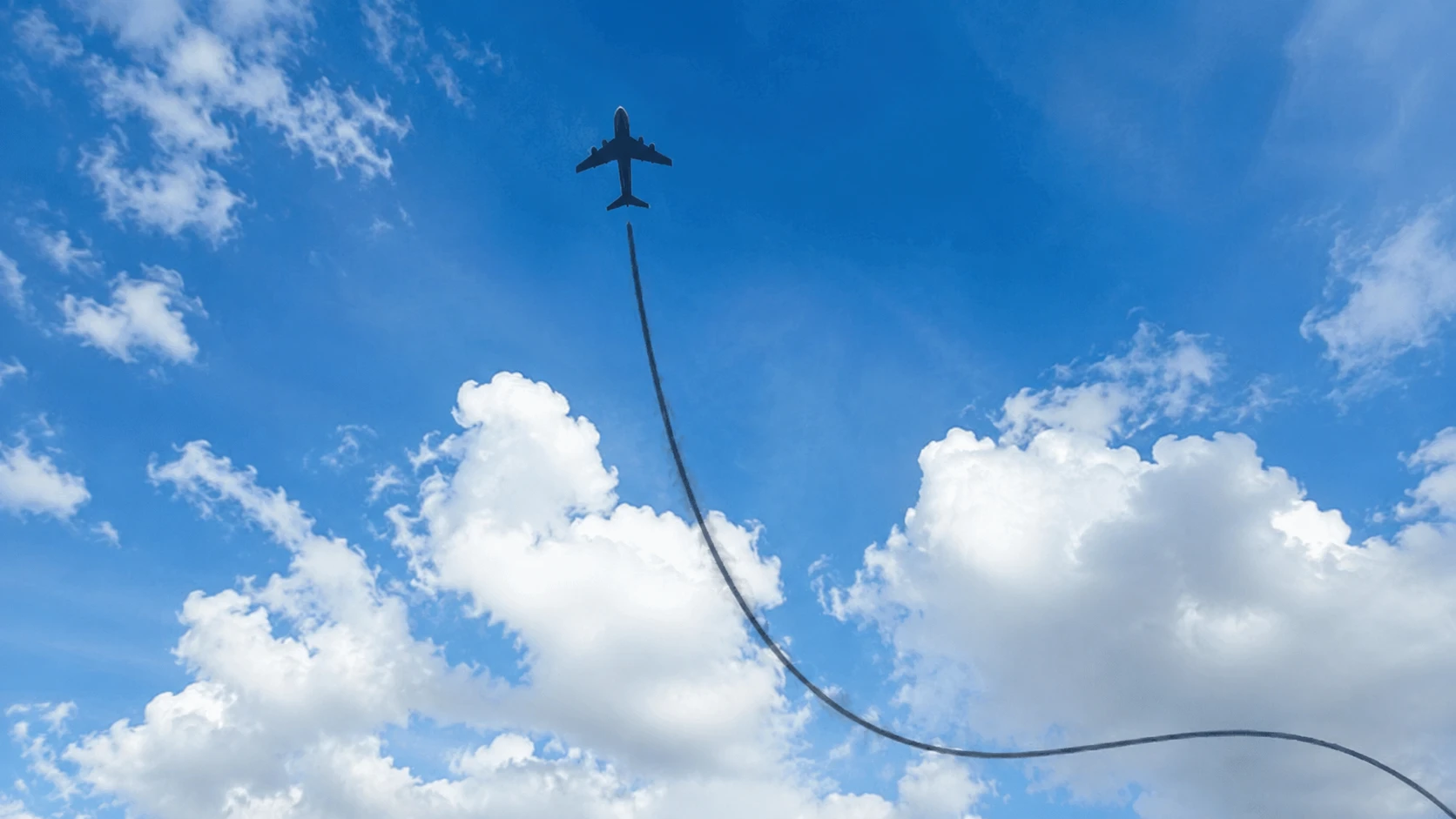
A routine Air India flight from Phuket to Delhi turned into a terrifying experience after the aircraft encountered severe turbulence while cruising at high altitude on Tuesday morning. The sudden weather disturbance caused the Airbus A320 operating Flight AI2379 to briefly lose nearly 300 feet in altitude, creating panic among passengers and crew. Ten passengers and four cabin crew members underwent precautionary medical exams after the incident, despite the fact that the plane landed safely in Delhi. Fortunately, the airline confirmed that no serious injuries were reported.
Flight Lands Safely After Sudden Mid-Air Drop
The turbulence struck unexpectedly while the aircraft was flying at its cruising altitude. According to Air India, the pilots quickly regained control after the brief altitude fluctuation and continued the journey safely. At approximately 11:15 AM, the plane landed at Indira Gandhi International Airport, where medical personnel were ready to help passengers and crew members who were uncomfortable or had minor injuries. Passengers may find a 300-foot drop frightening, but aviation experts clarify that from a technical standpoint, such altitude changes are rather small. Commercial aircraft frequently experience small altitude adjustments due to changing weather conditions, and modern aircraft are designed to safely withstand turbulence far stronger than what passengers generally experience. However, due of the way the human body responds to fast movement, even a short and abrupt drop can feel incredibly violent inside the cabin.
Passengers Recall Terrifying Moments Inside the Cabin
Passengers onboard described moments of fear as the aircraft suddenly jolted without warning. Some travellers reportedly screamed as the plane shook violently, while unsecured personal belongings were thrown around the cabin. Those who were not wearing their seatbelts experienced the strongest impact as they were briefly lifted from their seats before falling back down. Several overhead luggage compartments also rattled as loose items shifted due to the sudden movement. Many passengers claimed that despite the turbulence's brief duration, it felt much longer because to the extreme anxiety and uncertainty that pervaded the plane. According to aviation experts, injuries sustained during turbulence are typically caused by passengers not staying firmly strapped to their seats rather than by damage to the aircraft itself. When an aircraft suddenly drops because of turbulent air currents, passengers continue moving at their previous speed for a brief moment due to inertia before gravity pulls them back toward their seats. This creates the sensation of weightlessness and can result in people striking armrests, cabin ceilings or overhead compartments if they are not wearing seatbelts.
Why Monsoon Airspace Makes Flying More Challenging
The incident has once again highlighted the importance of following basic in-flight safety instructions. Aviation authorities consistently advise passengers to keep their seatbelts fastened whenever they are seated, even if the seatbelt sign is switched off. Unexpected turbulence can occur without warning, especially during the monsoon season, making seatbelts the simplest and most effective way to prevent injuries. Cabin crew members are often at greater risk because they need to move around the aircraft while serving passengers, which makes sudden turbulence particularly dangerous for them. The flight's route from Phuket to Delhi took the aircraft across the Andaman Sea, the Bay of Bengal, eastern India and central Indiaregions that become highly active during the southwest monsoon. Meteorologists say that during August, warm moisture-laden air combines with intense atmospheric instability to form massive thunderclouds capable of generating strong vertical air currents. These conditions make the region one of the most turbulence-prone airspaces in the world during the monsoon months. Even with advanced weather radar systems, pilots cannot always avoid every turbulent patch. Modern aircraft can detect and navigate around large storm cells, but certain forms of clear-air turbulence remain difficult to identify because they occur without visible clouds or rainfall. This is why airlines often remind passengers to remain seated and keep their seatbelts fastened throughout the flight, regardless of whether the skies appear calm outside.
Experts Reassure Passengers Despite the Scary Incident
Despite the frightening experience, aviation experts have reassured travellers that commercial aircraft such as the Airbus A320 are engineered to handle severe turbulence safely. Aircraft manufacturers subject these planes to rigorous testing, ensuring they can withstand forces much stronger than those encountered during normal commercial operations. Pilots also receive specialised simulator training to deal with turbulence, adverse weather and unexpected flight conditions, allowing them to respond quickly and safely whenever such situations arise. The Air India incident serves as an important reminder that turbulence, although uncomfortable and sometimes frightening, rarely compromises the structural safety of an aircraft. In this case, the professionalism of the flight crew and the aircraft's advanced engineering ensured that the journey ended safely despite the unexpected weather disturbance. As monsoon conditions continue across the region, experts advise passengers to remain calm during turbulence, carefully follow crew instructions and always wear their seatbelts while seated. While the sudden 300-foot drop created moments of panic inside the cabin, the safe landing of Flight AI2379 once again demonstrated the high safety standards followed by commercial airlines. As air travel increases during the busy monsoon season, weather-related turbulence is expected to remain a challenge, making passenger awareness and adherence to safety guidelines more important than ever.