.webp)
Home / technology / ChatGPT’s Ghibli-Style AI Art Takes the Internet by Storm, but Controversy Looms
ChatGPT’s Ghibli-Style AI Art Takes the Internet by Storm, but Controversy Looms
By: My India Times
3 minutes read 1465Updated At: 2025-03-29

The AI Trend That’s Taking Over Social Media
A new AI image generation feature from OpenAI’s ChatGPT has sparked a massive online trend, allowing users to transform their photos into stunning illustrations inspired by the beloved art style of Studio Ghibli. From whimsical landscapes to expressive characters, the AI-generated images have flooded social media platforms, enchanting users with their nostalgic, dreamlike quality.
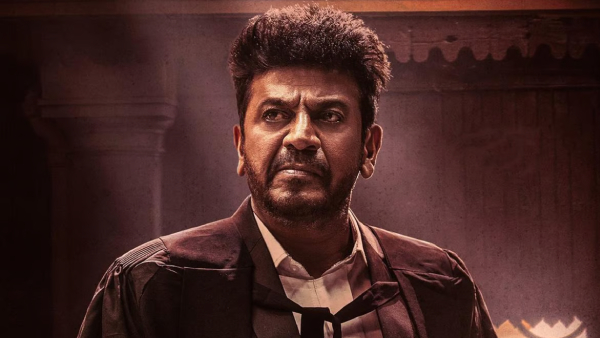
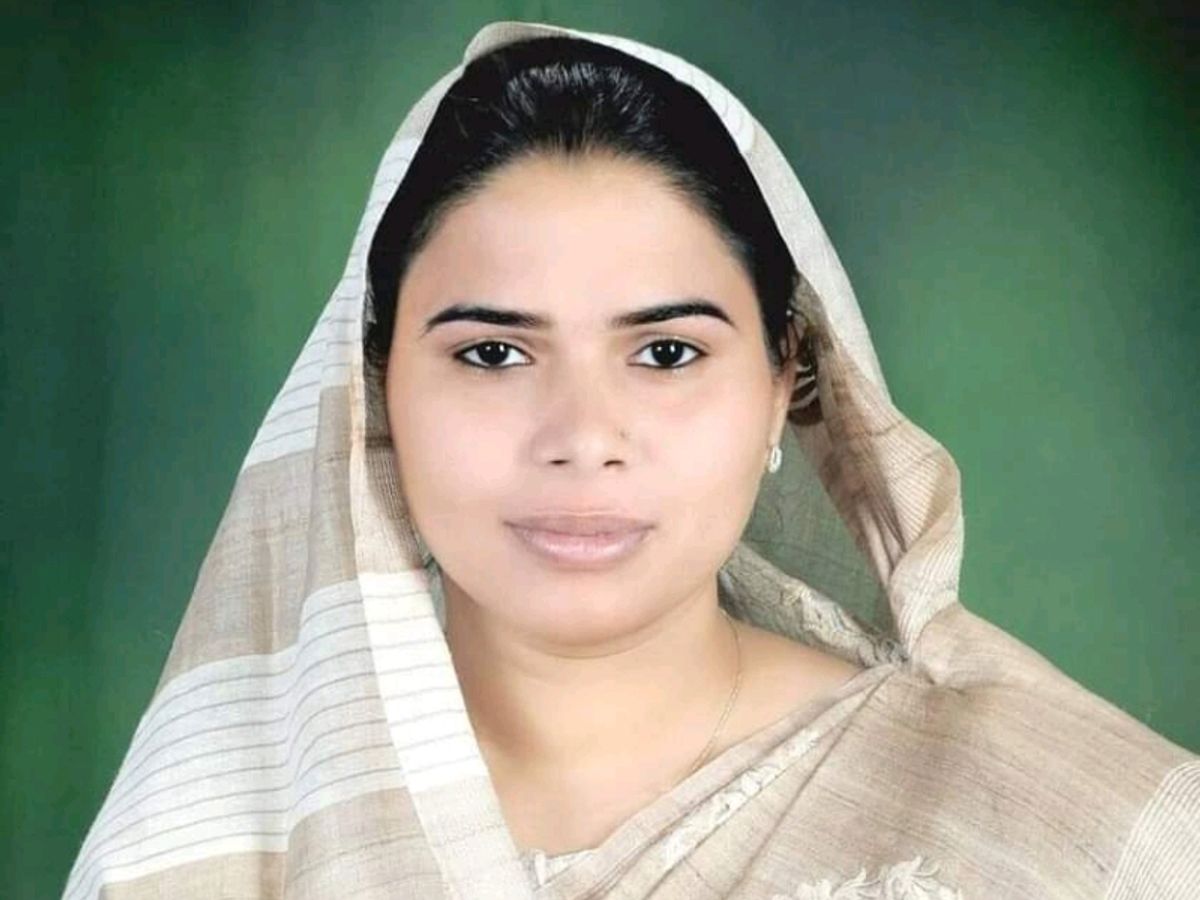
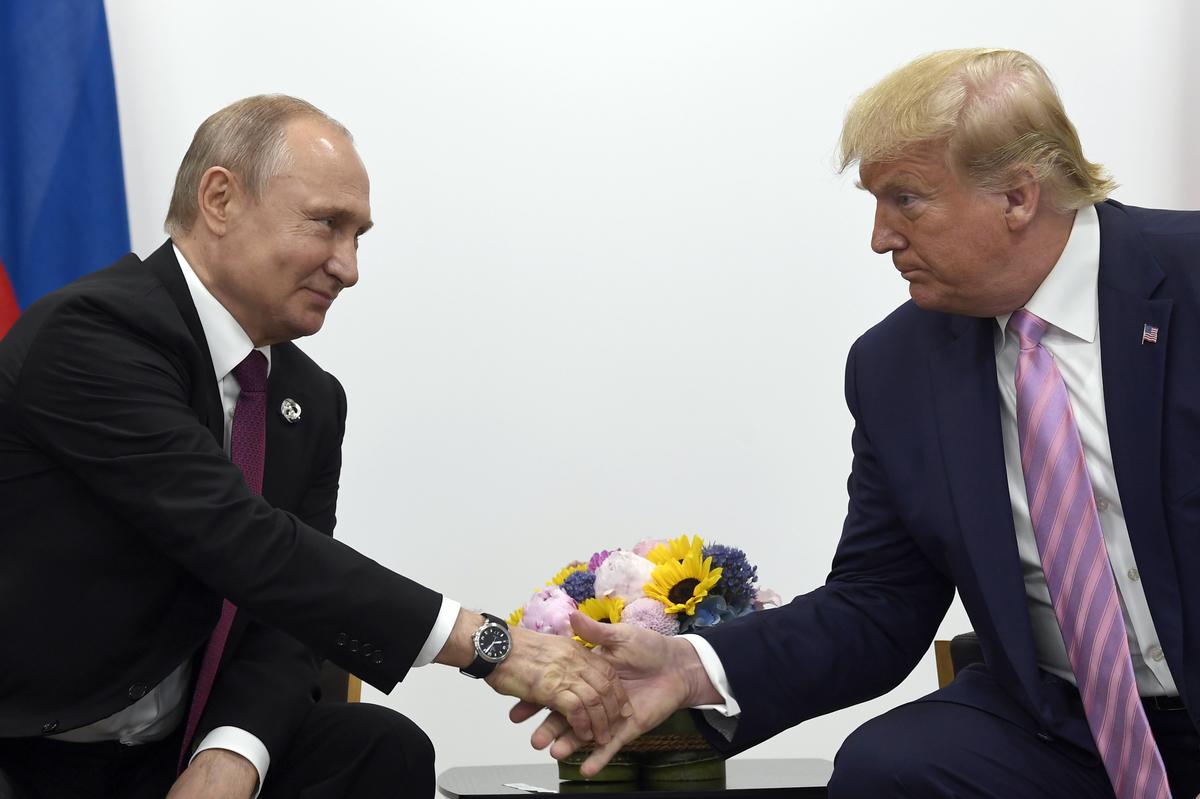
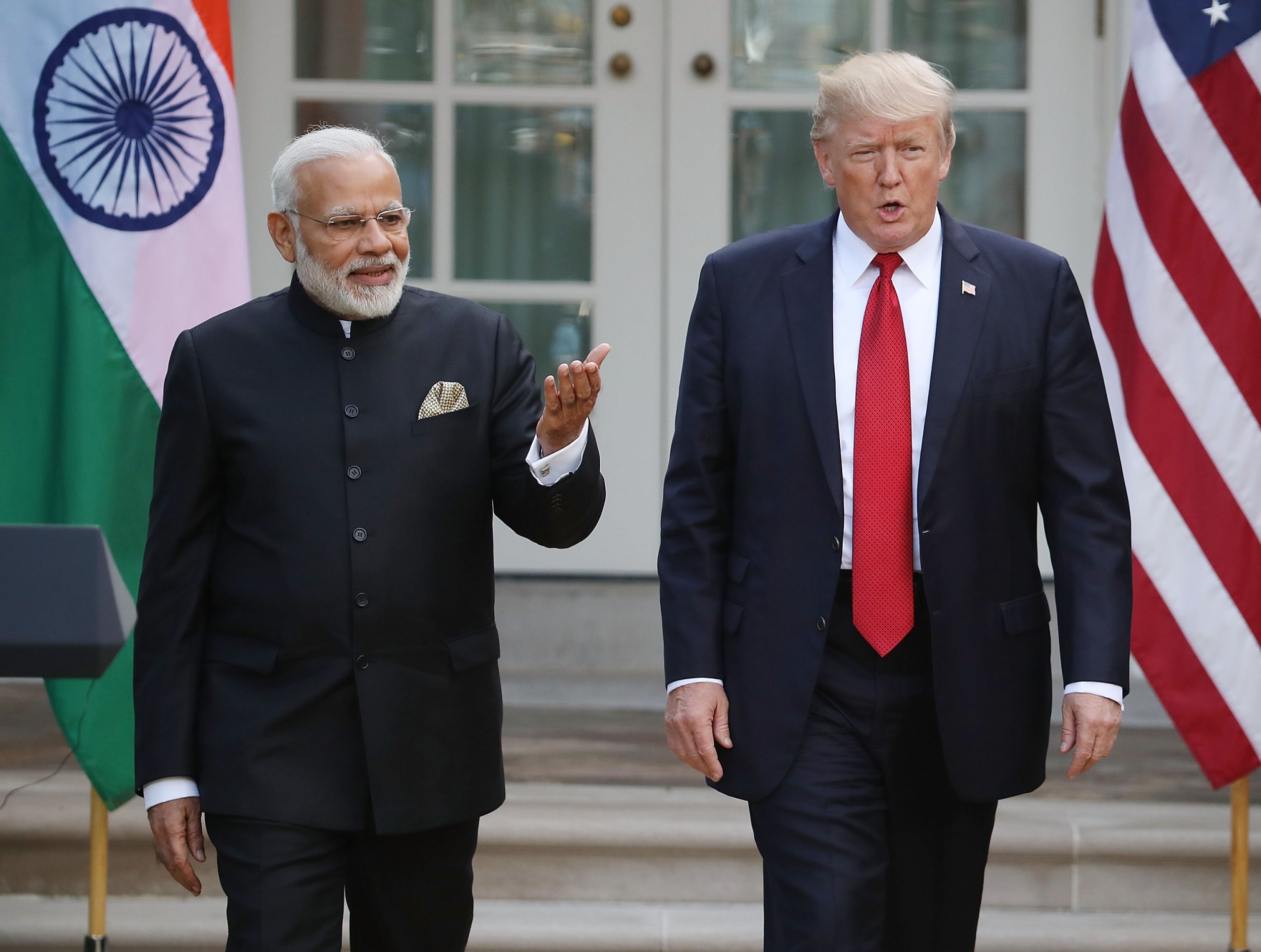
People across the world have been sharing “Ghibli-fied” portraits of themselves, their families, and even popular cultural figures. The viral nature of the trend has also attracted brands and influencers eager to tap into its widespread appeal for marketing and engagement.
Why the Ghibli Aesthetic Strikes a Chord
Studio Ghibli, co-founded by legendary filmmaker Hayao Miyazaki, is known for its breathtaking hand-drawn animation, meticulous attention to detail, and deep emotional storytelling. Films like My Neighbor Totoro, Spirited Away, and Princess Mononoke have captivated audiences for decades, making the Ghibli aesthetic one of the most cherished in animation history.
The AI’s ability to replicate this distinct style has been met with both wonder and skepticism. While many users have embraced the tool for its ability to create beautiful, personalized artwork, others question the ethical implications of using AI to mimic the work of an established studio without direct involvement or permission.
Ethical Concerns and Studio Ghibli’s Stance on AI
As excitement around the Ghibli-style AI art continues to grow, so do concerns about copyright, artistic integrity, and AI ethics. Hayao Miyazaki has long been vocal about his disapproval of artificial intelligence in creative spaces. He once described AI-generated animation as “an insult to life itself,” emphasizing his belief in human-driven artistry.
Legal experts and artists have also weighed in on the debate. Some argue that OpenAI’s feature treads into dangerous territory by replicating a specific artistic style without licensing or crediting the original creators. Others point out that AI-generated art blurs the lines between inspiration and imitation, raising concerns about the broader implications for creative industries.
OpenAI’s Response and Adjustments
In response to the controversy, OpenAI has implemented restrictions to prevent the AI from closely mimicking individual living artists. However, the company maintains that broader artistic styles—such as that of an entire animation studio—fall into a gray area. While some Ghibli-style prompts have reportedly been blocked, users have still found ways to generate similar results through creative workarounds.
Despite OpenAI’s efforts to regulate its AI models, the technology’s rapid development continues to outpace legal and ethical frameworks. The debate surrounding AI-generated art is far from over, and industry professionals are calling for clearer guidelines to protect both artists and users.
The Future of AI-Generated Art
The rise of AI-powered creative tools has undeniably changed the artistic landscape. While these tools provide new opportunities for self-expression and accessibility, they also challenge traditional notions of authorship, ownership, and artistic integrity.
As AI continues to evolve, the industry must find a way to balance innovation with respect for original creators. Will AI be a tool that enhances human creativity, or will it become a disruptive force that undermines traditional art forms? The answer remains uncertain, but one thing is clear—the conversation is only just beginning.
Conclusion
ChatGPT’s Ghibli-style AI generator has captured the imagination of the internet, offering users a chance to see themselves through the lens of a beloved animation studio. However, its popularity has also ignited a larger debate about the role of AI in the arts. As technology progresses, society must navigate these ethical dilemmas carefully, ensuring that the magic of human creativity remains at the heart of artistic expression.
....By: My India Times
Updated At: 2025-03-29
Tags: technology News | My India Times News | Trending News | Travel News
Join our WhatsApp Channel






.jpg)
































.png)
 (1).png)