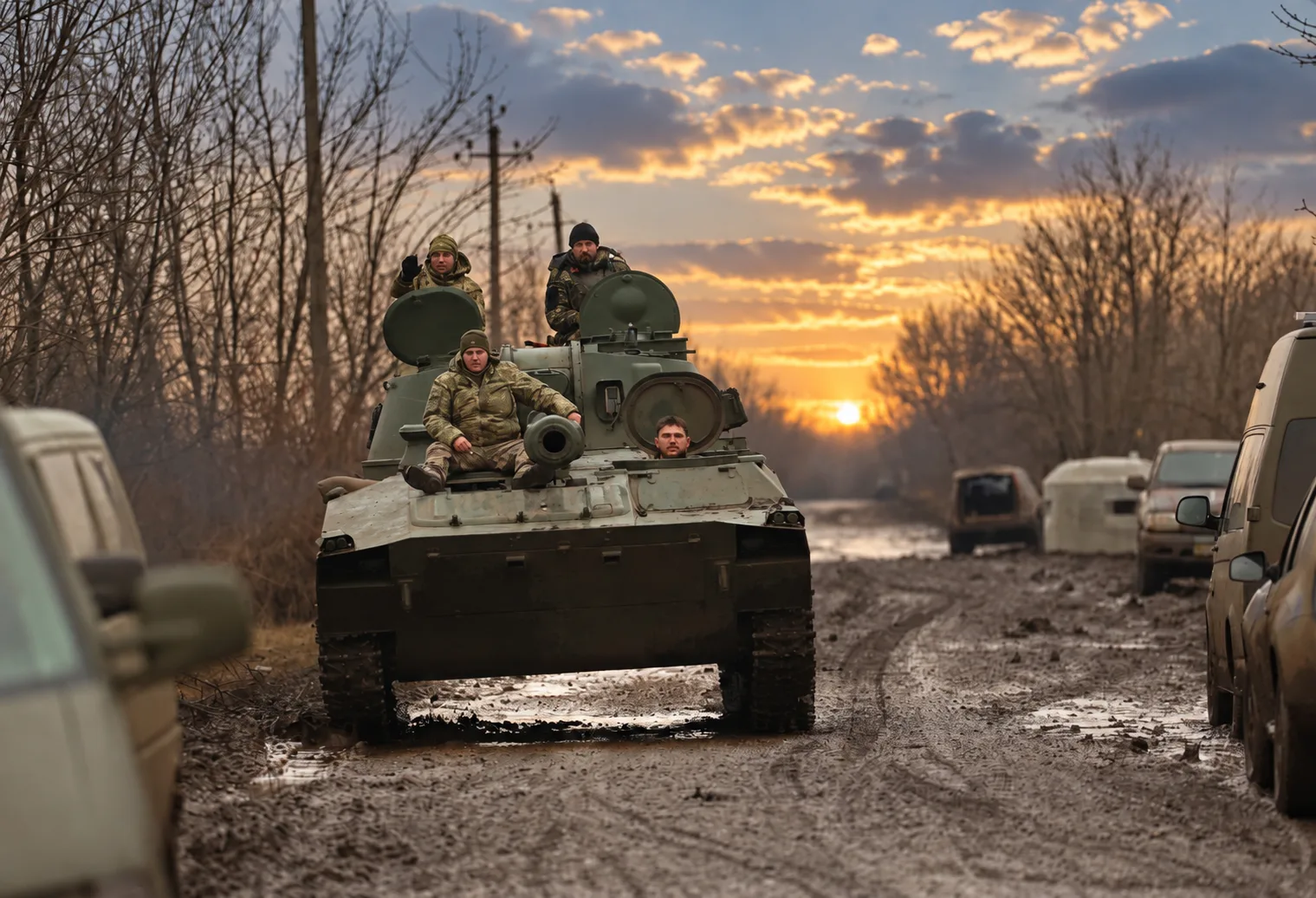
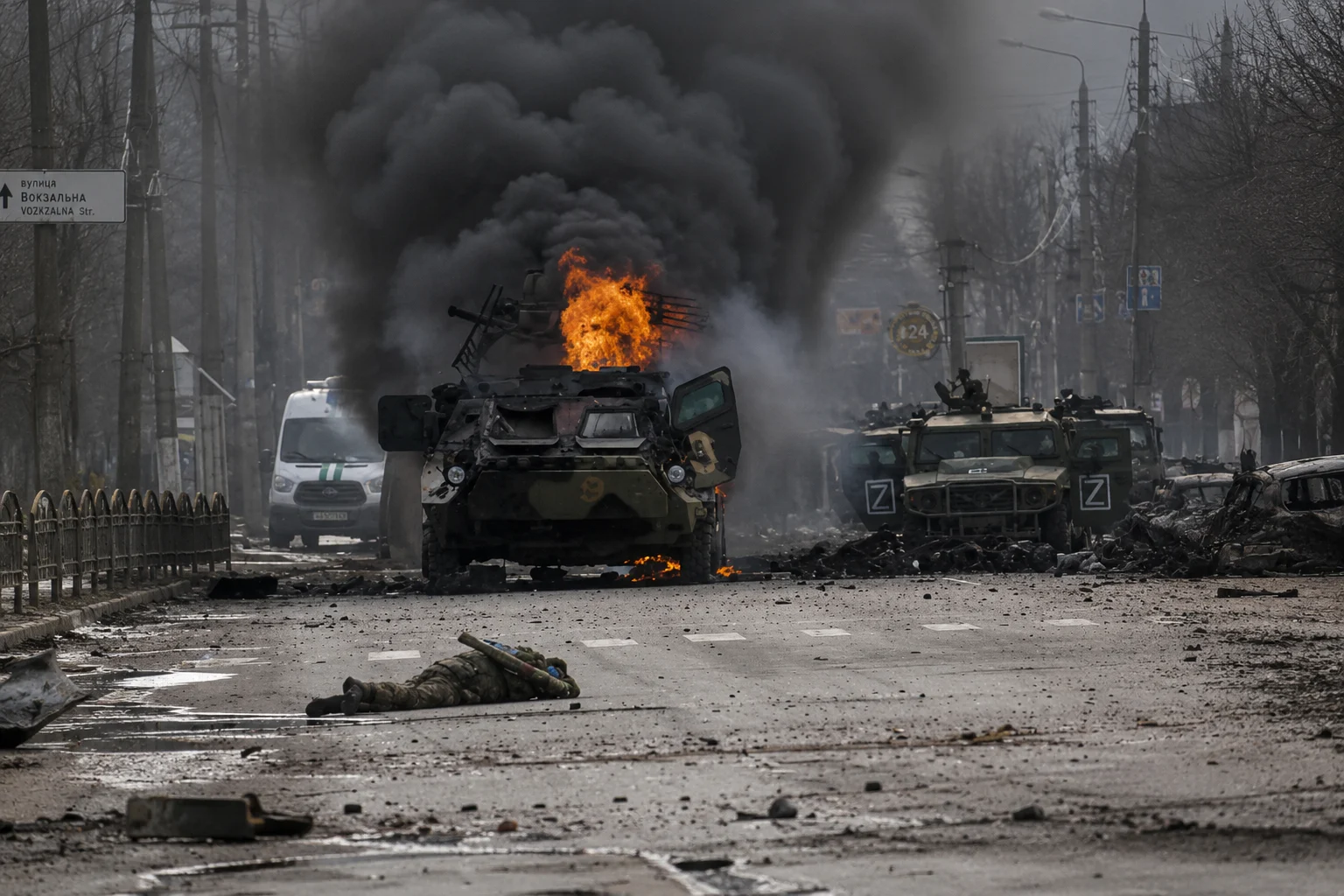
In a significant step aimed at providing relief to families affected by the Russia-Ukraine conflict, the Supreme Court of India has directed the Central Government to appoint a nodal officer within the Ministry of External Affairs (MEA). The officer will be in charge of liaising with the relatives of Native Americans who have died, disappeared, or been injured during the current conflict. The directive comes as a number of families are still dealing with uncertainty regarding the whereabouts of their loved ones, many of whom are said to have traveled overseas in search of work opportunities only to become entangled in the fighting.
Supreme Court Emphasises Faster Assistance
A Bench comprising Chief Justice Surya Kant, Justice Joymalya Bagchi, and Justice V. Mohana observed that affected families require timely information and institutional support rather than prolonged bureaucratic procedures. The court directed the Ministry of External Affairs to establish a dedicated communication mechanism so that every affected family has a single point of contact for updates regarding rescue efforts, identification of mortal remains, legal procedures and compensation-related matters. Families who have been waiting months for formal information are anticipated to find it easier to communicate with government institutions as a result of the move.
DNA Matching to Help Identify Mortal Remains
One of the most important directions issued by the Supreme Court relates to the identification of deceased individuals. The Bench instructed the Ministry of External Affairs to facilitate DNA matching between family members and unidentified mortal remains whenever required. This step is expected to help authorities confirm identities in cases where bodies cannot be identified through conventional means. For many families, uncertainty surrounding the identity of their loved ones has become one of the biggest emotional challenges. The court noted that proper identification is essential before any further legal or administrative process can move forward.
Centre Asked to Help Families Seek Compensation
Apart from identification, the Supreme Court also instructed the Central Government to actively assist affected families in filing compensation claims before the Russian Embassy in New Delhi. Many families are reportedly unfamiliar with international legal procedures and documentation requirements. The court observed that they should not be left to navigate complex diplomatic and legal processes on their own. The Ministry of External Affairs has been asked to provide necessary guidance, documentation support and updates throughout the compensation process.
Information Must Be Provided in Regional Languages
Recognising that many affected families belong to rural areas and may not be comfortable with English or Hindi, the Supreme Court directed the government to provide all relevant information in vernacular (regional) languages. The Bench stressed that language should never become a barrier in accessing justice or government assistance. Families should receive updates regarding investigations, identification procedures, diplomatic communication and compensation in a language they clearly understand. This direction is expected to improve transparency and ensure that families remain informed throughout the process.
NALSA and State Legal Authorities Given Responsibility
The Supreme Court also involved the National Legal Services Authority (NALSA) and State Legal Services Authorities in the relief process. These agencies have been directed to provide legal assistance to affected families, help them complete necessary documentation, pursue compensation claims and coordinate with government authorities wherever required. Legal experts believe this direction will reduce the financial burden on families who may otherwise struggle to hire lawyers or understand legal formalities.
Petition Filed by Families of Victims
The directions came during the hearing of a petition filed by family members of Indians who allegedly died or went missing after being recruited to fight in the Russia-Ukraine war. According to the petition, several individuals were reportedly lured by travel agents with promises of overseas employment and lucrative salaries. Instead, they allegedly found themselves recruited into the conflict zone, where many lost contact with their families while others reportedly lost their lives or suffered serious injuries. The petitioners sought immediate government intervention, better coordination with foreign authorities and assistance in bringing back mortal remains wherever possible.
Growing Concern Over Human Trafficking and Fraud
The case has also highlighted concerns regarding fraudulent recruitment networks operating under the guise of overseas employment. Authorities have previously warned job seekers against accepting suspicious foreign job offers without proper verification. Experts say many victims may have unknowingly entered high-risk conflict zones after being misled about the nature of the work. The incident has renewed calls for stricter monitoring of international recruitment agencies and stronger awareness campaigns to prevent citizens from falling victim to such scams.
A Humanitarian Approach by the Supreme Court
Rather than focusing only on legal procedures, the Supreme Court's directions reflect a humanitarian approach aimed at supporting grieving families during an extremely difficult period. By ensuring a dedicated nodal officer, DNA identification, legal assistance, compensation support and communication in regional languages, the court has sought to reduce the hardships faced by families searching for answers about their loved ones.