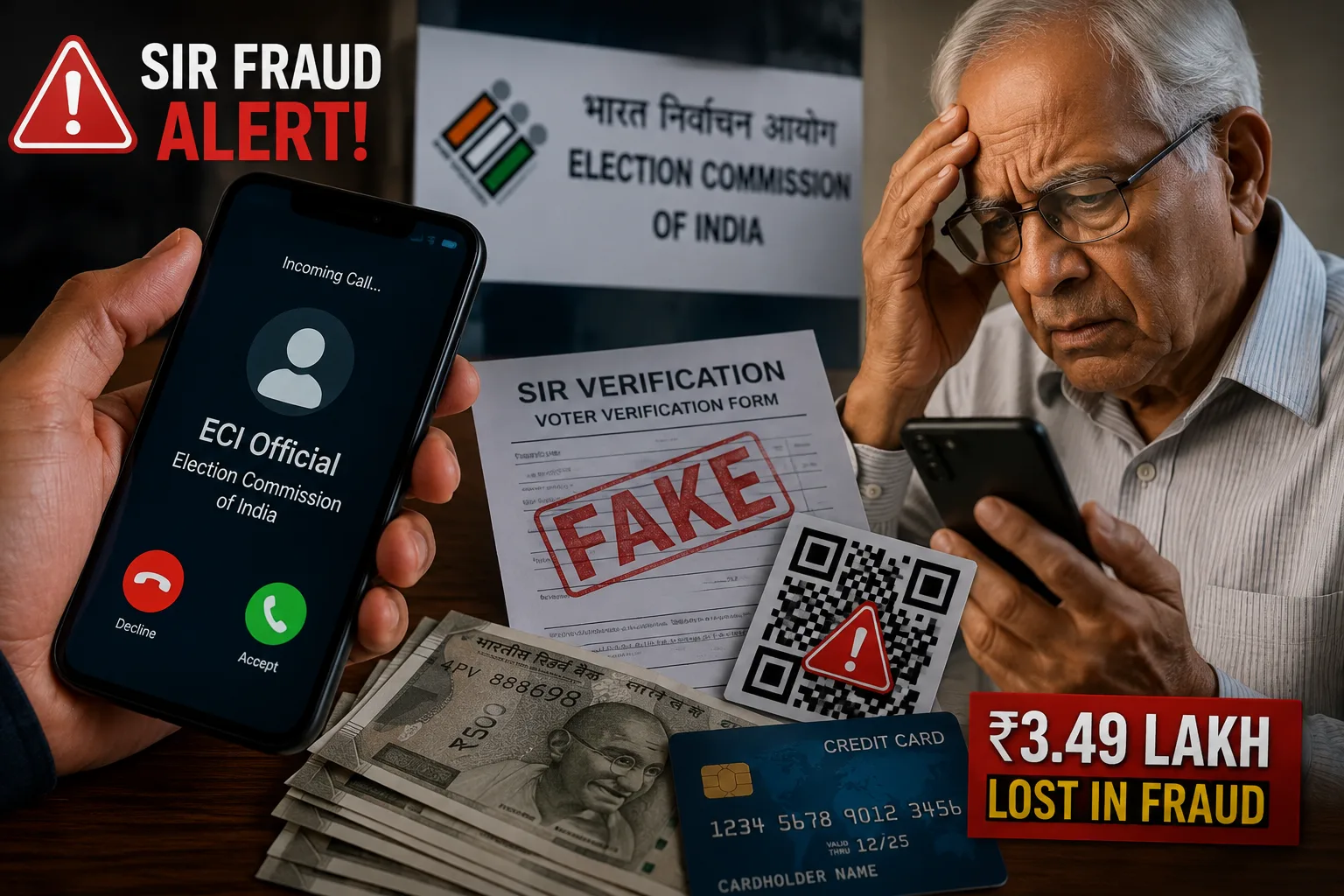
A shocking cyber fraud has come to light from Bengaluru, where an 82-year-old man allegedly lost ₹3.49 lakh after scammers impersonating officials from the Election Commission of India (ECI). The victim, identified as R. Parthasarathy, is a resident of Rustum Bagh in East Bengaluru. Police officials claim that the scam occurred during Karnataka's Special Intensive Revision (SIR) of electoral records. The revision process is currently being conducted in several states to update voter lists and verify eligible electors. Cybercriminals took advantage of this formal activity to persuade the elderly man that his voter verification process needed to be completed right away. The episode serves as a reminder that con artists frequently take advantage of public awareness efforts and government activities to trick people, especially senior persons who might not be conversant with digital fraud techniques.
How the Fake ECI Officials Carried Out the Scam
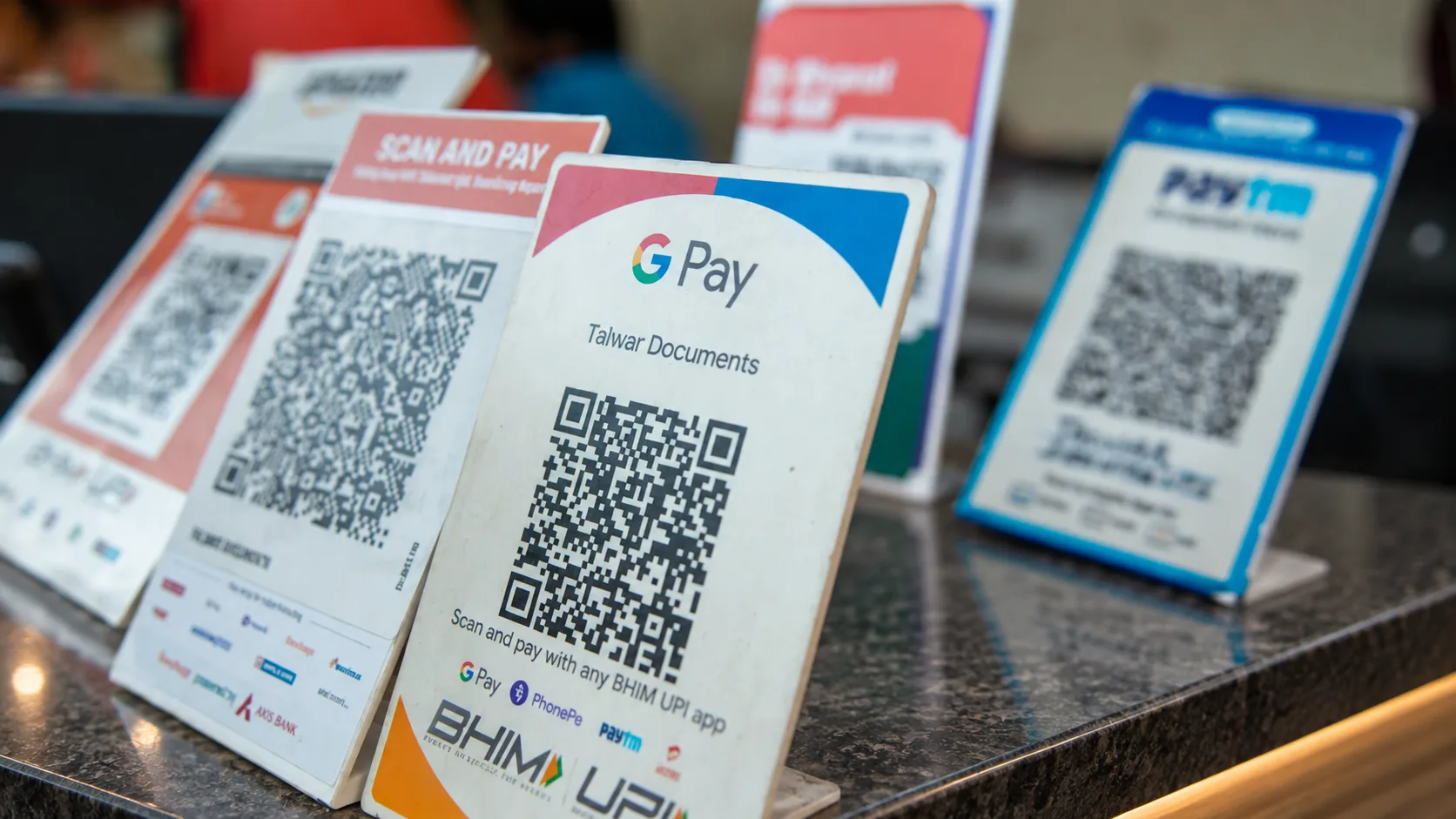
An individual posing as an Election Commission official called Parthasarathy, according to the preliminary inquiry. The caller told him that his voter registration could be impacted if he didn't finish the process and explained that there was a problem with his SIR verification. To make the story appear genuine, the caller instructed him to pay a nominal processing fee of ₹5 and download a mobile application that was presented as an official verification platform. When the online payment reportedly failed, the fraudster sent a QR code through WhatsApp, asking the victim to scan it to complete the verification. Believing the instructions to be legitimate, the elderly man followed the steps. However, the QR code enabled the fraudsters to access his bank information, and the application was purportedly created to acquire unlawful access to his smartphone. Soon after, the con artists took out a total of ₹3.49 lakh without his knowledge by using his banking and credit card information to make several illegal transactions.
Police Launch Investigation After Cyber Crime Complaint
After discovering the unauthorized transactions, Parthasarathy immediately approached the Jeevan Beema Nagar Police Station and also reported the matter to the National Cyber Crime Helpline. Police have registered a case and initiated an investigation to identify the individuals behind the fraud. Cybercrime investigators are examining digital evidence, transaction records, and communication details to trace the suspects. Officials believe the scammers may have used remote access techniques or malicious software embedded within the fake application to obtain sensitive banking credentials. Investigators have also appealed to the public to report similar incidents immediately, as timely reporting improves the chances of tracking fraudulent transactions.
Cyber Experts Warn Against Growing SIR-Related Scams
Cybersecurity experts have warned that fraudsters frequently take advantage of ongoing government initiatives to create a sense of urgency and panic among citizens. Since the Special Intensive Revision (SIR) is an official voter verification exercise, scammers are exploiting public awareness by pretending to represent election authorities. Experts emphasize that the Election Commission of India does not ask citizens to download unknown applications, share banking information, make verification payments through QR codes, or disclose OTPs for voter verification. Any unsolicited phone call demanding immediate action, financial information, or app installation should be treated as suspicious. Cyber experts also advise people to verify every communication through the Election Commission's official website or local election office before taking any action.
How to Stay Safe From Fake ECI and SIR Scams
Cybersecurity professionals recommend following a few basic precautions to avoid becoming a victim of such frauds. Citizens should never install applications sent through unknown links or messaging platforms. Payments should never be made to personal QR codes claiming to represent government departments. Sensitive information such as banking passwords, debit or credit card details, CVV numbers, OTPs, or internet banking credentials should never be shared over phone calls. People are also encouraged to keep mobile operating systems updated, install trusted security software, enable two-factor authentication for banking applications, and monitor bank account activity regularly. If any suspicious transaction occurs, it should be reported immediately to the bank and the National Cyber Crime Helpline to minimize financial losses.
A Wake-Up Call for Digital Safety
The Bengaluru cyber fraud highlights how criminals continue to develop new methods to exploit public trust in government initiatives. By impersonating Election Commission officials and creating a false sense of urgency, scammers were able to deceive an elderly citizen and steal a significant amount of money. With voter verification drives currently active in several states, authorities are urging citizens to remain cautious and rely only on official Election Commission communication. Digital awareness, careful verification, and prompt reporting remain the strongest defenses against evolving cyber frauds. As cybercriminals become increasingly sophisticated, staying informed is essential to protecting both personal information and financial security.