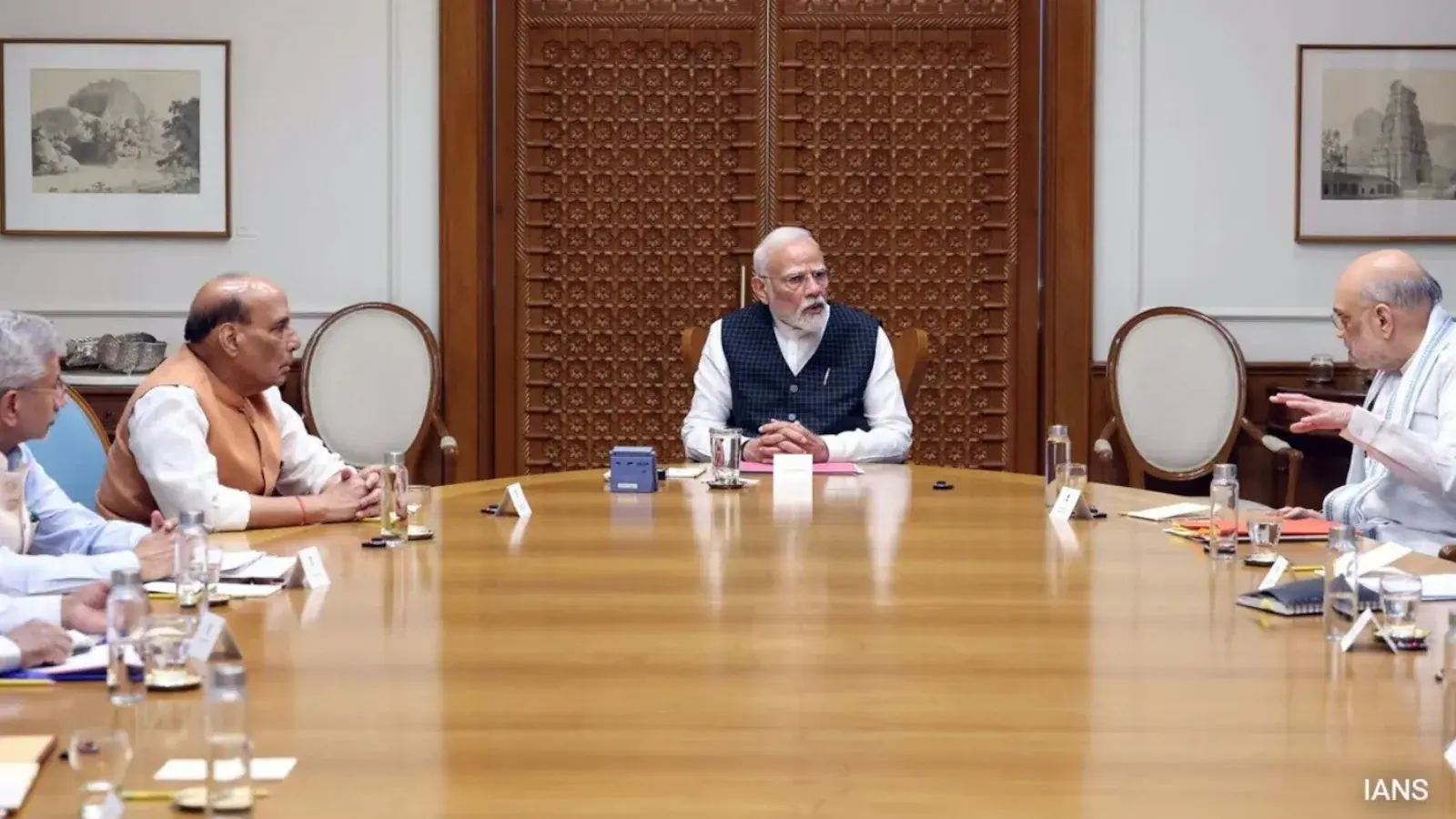
New Delhi: Prime Minister Narendra Modi has emerged as the strongest social media performer among members of his Union Cabinet, according to performance rankings reviewed during a Cabinet meeting on Wednesday. The review reflects how significantly social media has become part of political communication in India. Since millions of Indians use Facebook, Instagram, and X on a daily basis, ministers are being urged more and more to interact directly with the public instead of depending solely on traditional media. Sources familiar with the Cabinet discussion said ministers were shown individual reports assessing their social media activity and engagement. The purpose of the exercise was to assist ministers in identifying areas for improvement in their digital communication as well as how well they are reaching audiences.
PM Modi Tops Cabinet Social Media Performance
PM Modi remains one of India's most influential political figures online, with a particularly large following across multiple platforms. He has been a frequent user of X for a long time, but his current strategy has also prioritized Instagram, especially short-form video content. The shift reflects the growing popularity of Reels and other visual formats among younger internet users. The Prime Minister's Instagram strategy has garnered notice since it makes it possible for people to receive political messages in a more direct and casual manner through brief videos. On July 23, amid a time of increased student mobilization in Delhi due to claims of test irregularities, he shared his first vertical video on Instagram. Using a manner intended to appeal to viewers used to receiving news and information through mobile-first platforms, Modi addressed students in that video and discussed more robust controls against paper leaks.
Why Instagram Is Becoming Important for Ministers
The social media evaluation by the Cabinet coincides with Instagram's growing significance as a medium for connecting with younger Indians. India is one of Meta's largest markets, with Facebook, Instagram and WhatsApp used by hundreds of millions of people. This massive digital audience gives political leaders a chance to interact directly with voters, especially younger people who might not watch as much television or read newspapers. Ministers were apparently urged to use Instagram Reels, interactive formats, and direct audience engagement more during the Cabinet meeting. The message was not simply to post more frequently. Ministers were also encouraged to focus on meaningful interactions and content that generates genuine engagement.
Ministers Get Individual Performance Reports
The social media assessment covered activity between May 1 and August 15, according to sources. Ministers were evaluated across Instagram, X and Facebook. Rather than relying on a single measurement, the review considered several indicators of digital performance. These included the number of posts published each day, overall engagement, average engagement generated by individual posts, total likes and follower numbers. The reports were subsequently provided to individual ministers, allowing them to compare their digital performance with colleagues. Such comparisons can help ministers identify which types of content are attracting attention and which communication strategies may need to be changed.
From Posting Frequency to Audience Engagement
One of the key messages reportedly delivered to ministers was the need to improve both the quantity and quality of their online communication. Simply maintaining a large follower base does not necessarily guarantee that a minister's message will reach a wider audience. Engagement has become an increasingly important indicator because it measures how audiences respond to content through likes, comments, shares and other interactions. For ministers, this means that government announcements, policy explanations and public outreach may need to be presented in formats that are easier for social media audiences to understand and engage with. Short videos, photographs, infographics, live interactions and behind-the-scenes content can make government communication more accessible.
Youth Engagement Becomes a Major Focus
The focus on Instagram also highlights the government's attempt to strengthen communication with younger audiences. Young Indians are among the most active consumers of short-form digital content. Political leaders and governments therefore face growing pressure to explain policies and respond to public concerns on platforms where younger users are already spending significant time. The recent student protests in Delhi have further highlighted the importance of direct communication with young people. By encouraging ministers to interact through Reels and other Instagram formats, the government appears to be placing greater emphasis on reaching this demographic through platforms they frequently use.
Social Media and Political Communication
The Cabinet's review shows that social media performance is increasingly being treated as an important part of political communication. For ministers, maintaining an active digital presence can help explain government decisions, highlight development projects, respond to public concerns and communicate during major national events. At the same time, social media requires consistency. A minister may have millions of followers, but inactive accounts or posts with limited engagement can reduce the effectiveness of that audience. The latest assessment could therefore encourage ministers to adopt more organised digital strategies, with greater attention to content planning, audience response and platform-specific communication.
What the Rankings Mean for Government Communication
The reported rankings are significant because they demonstrate how India's political communication landscape is changing. Prime Minister Modi's dominance across social media platforms gives the government a benchmark for digital outreach. Ministers are now being encouraged to build stronger individual communication strategies while continuing to communicate the government's wider policy agenda. The emphasis on Instagram also indicates that political messaging is moving beyond conventional text-based updates. Visual storytelling and short-form video are becoming increasingly important tools for reaching younger audiences. As India's digital population continues to expand, social media is likely to play an even bigger role in how politicians communicate with citizens. The Cabinet's latest review suggests that the government is taking that shift seriously. For ministers, the challenge now is not merely to increase the number of posts, but to create content that informs, engages and connects with audiences in a rapidly changing digital environment.