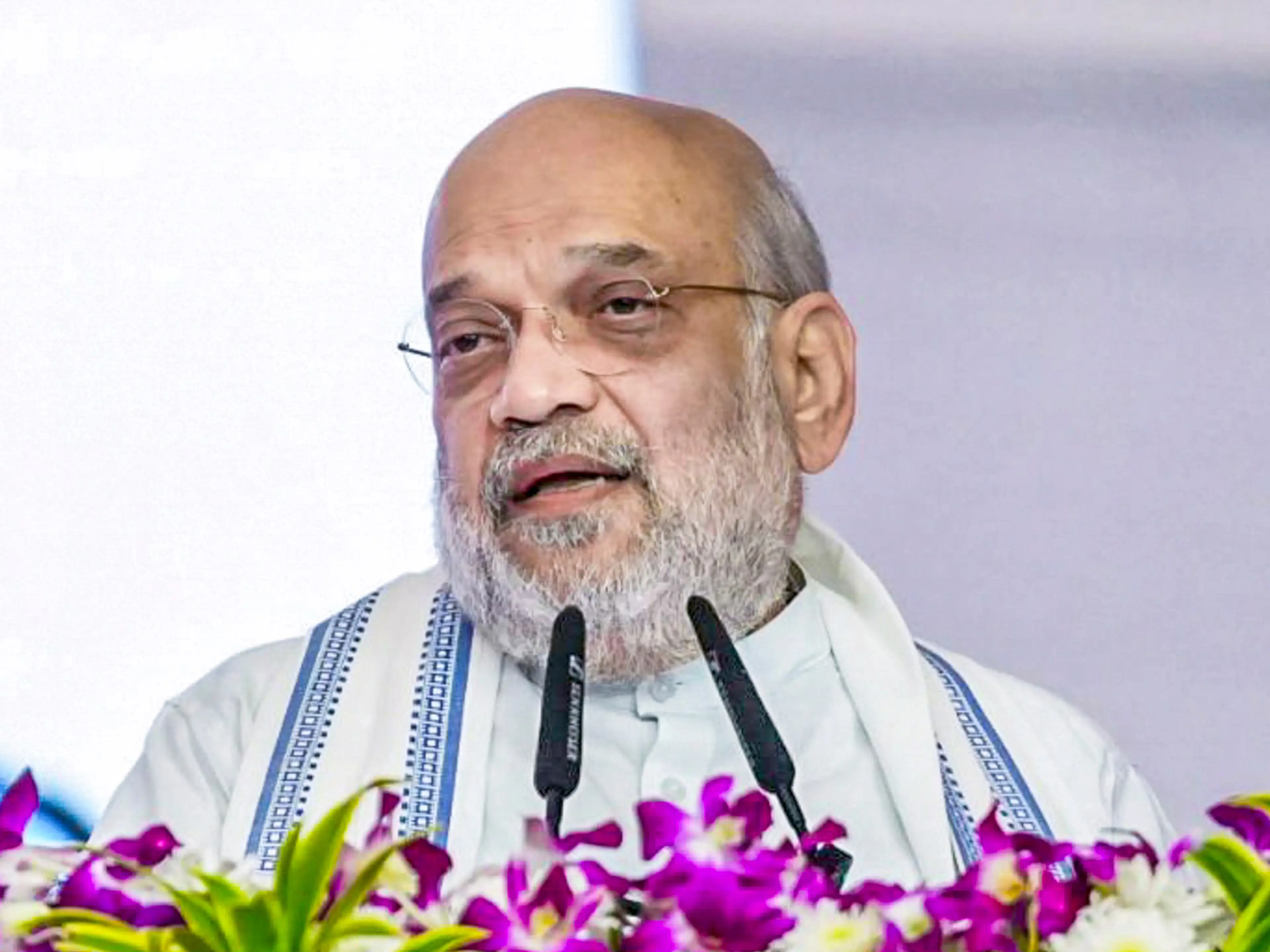
On Monday, August 10, 2026, Union Home Minister Amit Shah is scheduled to present two significant measures in the Lok Sabha. During the current Monsoon Session, Parliament is experiencing ongoing political conflict. One of the proposed legislations seeks to change the official constitutional name of Kerala to Keralam, while the second aims to significantly broaden the financial and operational powers of the National Cooperative Development Corporation (NCDC). The proposed Kerala name change has already attracted political attention because it involves an amendment to the First Schedule of the Constitution. However, by enabling the company to directly fund a wider variety of organizations, the NCDC proposal may have greater effects on India's cooperative sector.
Kerala name change bill likely in Lok Sabha
The Kerala (Alteration of Name) Bill, 2026 aims to substitute "Keralam" for "Kerala" in the Constitution's First Schedule. The move follows a resolution passed by the Kerala Legislative Assembly supporting the change. The Union Cabinet has also approved the proposal, paving the way for the legislation to be introduced in Parliament. If the bill eventually receives approval through the constitutional process, the official name of the state would be changed from Kerala to Keralam. The proposed change has its roots in the Malayalam name traditionally used for the state. The Malayalam version of the state's name, "Keralam," has long been used in Keralan official and cultural contexts. The constitutional amendment, however, requires parliamentary approval and will be closely watched because changes to a state's name involve a formal alteration to the Constitution.
Why does Kerala want to be called Keralam?
The demand for the name change is not entirely new. Kerala's Assembly had earlier passed a resolution seeking recognition of Keralam as the state's official constitutional name. Supporters of the proposal argue that the Malayalam name better reflects the state's linguistic and cultural identity. The issue has therefore become more than a simple change in spelling. It touches upon questions of regional identity, language and constitutional recognition. The bill's introduction in the Lok Sabha could now bring the proposal into the national legislative spotlight.
NCDC Amendment Bill proposes wider financing powers
The National Co-operative Development Corporation (Amendment) Bill, 2026 is the second significant piece of legislation that Amit Shah is anticipated to present. The bill would significantly alter how NCDC can support organizations engaged in cooperative development financially. Under the existing framework, NCDC financing has primarily been directed towards cooperative societies and related programmes. The proposed amendment would expand this scope and allow the corporation to provide loans and grants directly to a wider category of entities involved in cooperative development. The government believes such a change is necessary because India's cooperative ecosystem has become increasingly diverse. Several organisations now provide infrastructure, technology, processing, marketing and financial services to cooperative institutions without themselves being registered as cooperative societies. As a result, some projects currently face procedural hurdles because funding has to be routed through state governments or cooperative societies. The proposed amendment seeks to address that gap.
Who could receive NCDC funding?
A key feature of the proposed legislation is the use of the broader term any entity engaged in co-operative development.This could potentially allow NCDC to finance organisations that support the cooperative sector even if they are not themselves registered as cooperative societies. However, legal experts have cautioned against interpreting the provision as an unrestricted expansion of NCDC financing. Eligibility would remain linked to the organisation's role and purpose in cooperative development. The NCDC board would determine whether an entity falls within the scope of the legislation, while specific financial activities would remain subject to the safeguards contained in the law.
NCDC could invest in equity
The proposed legislation goes beyond loans and grants. It would also allow NCDC to acquire equity in entities involved in cooperative development, subject to prior approval from the Central government. The provision could provide another financing mechanism for projects supporting India's cooperative infrastructure. Supporters of the amendment believe the additional flexibility could help cooperatives gain access to technology, processing facilities, marketing networks and other infrastructure more efficiently. At the same time, questions are likely to arise over transparency, accountability and the criteria used to select entities for funding. The proposed framework provides for audits and reporting requirements, while the use of funds would remain subject to the purpose specified under the law.
Other changes proposed in the NCDC Bill
The amendment bill also proposes several technical and administrative changes to modernise the corporation's legal framework. Among them is an expansion of the definition of foodstuffs to cover additional products that may subsequently be notified by the Central government. The legislation also proposes removing certain geographical restrictions associated with financing industrial goods. Another important provision would give NCDC the ability to collect and share credit information with banks and other financial institutions. The corporation would also receive certain incidental powers considered necessary to perform its expanded functions more effectively. Taken together, these provisions could significantly modernise the NCDC's role in India's cooperative financing ecosystem.
Why the cooperative sector matters
The proposed NCDC changes come against the backdrop of the government's wider push to strengthen the cooperative movement. Cooperatives operate across sectors including agriculture, dairy, fisheries, credit, food processing and rural development. The government has argued that the sector has expanded substantially and now requires institutions capable of supporting modern infrastructure and technology. By broadening NCDC's financing powers, the government aims to make funding more accessible to organisations that contribute to cooperative development. The challenge, however, will be ensuring that wider financial powers are accompanied by strong oversight and transparent decision-making.
Parliament faces another political confrontation
The bills are being introduced at a time when Parliament remains divided over several contentious issues. The Opposition has continued demanding a statement from Home Minister Amit Shah regarding alleged police excesses during a student protest and march towards Parliament on July 20. Congress leaders have intensified their criticism of the government and have drawn comparisons with the Opposition's earlier demand for a Home Minister's statement following the December 2023 Parliament security breach. Congress leader Jairam Ramesh has argued that the government should not repeat what the Opposition describes as a failure to respond adequately to concerns raised inside Parliament. The issue could lead to further disruptions as the Monsoon Session approaches its final days.
Four days remain in the Monsoon Session
With only a few days left in the ongoing parliamentary session, the government faces a tight legislative schedule. The introduction of the Keralam name change bill and the NCDC amendment could therefore become significant developments during the final phase of the session. The Kerala proposal is likely to attract attention because of its cultural and constitutional implications, while the NCDC legislation could have a direct impact on cooperative financing across the country. Whether the bills progress smoothly will depend not only on their provisions but also on the broader political atmosphere inside Parliament.
What happens after the Kerala bill is introduced?
Changing the name of a state requires a constitutional process. The bill must go through parliamentary consideration before the proposed change can take effect. The introduction of the legislation therefore marks the beginning of the parliamentary process rather than an immediate change in the state's legal name. If approved through the required procedure, the constitutional reference to Kerala would eventually be replaced by Keralam. For residents, political parties and cultural organisations in the state, the debate could become an important moment in discussions surrounding Malayalam identity and the state's historical name. Meanwhile, the NCDC bill could reshape the way cooperative-development projects access institutional finance.
Amit Shah's expected introduction of the two bills places both Kerala's proposed name change and the future of cooperative financing at the centre of Monday's parliamentary agenda. The Kerala bill focuses on constitutional identity by proposing Keralam as the state's official name, while the NCDC amendment seeks to give the corporation greater flexibility to finance organisations supporting cooperative development. With political tensions already high and the Opposition demanding answers from the government over the July 20 protest, the final days of the Monsoon Session are expected to remain politically significant. The next stage will depend on parliamentary debate, scrutiny and the government's ability to move the proposed legislation forward despite the continuing political deadlock.