Janmashtami 2026: Krishna Janmashtami is one of the most significant Hindu festivals, celebrated every year to mark the birth of Lord Krishna, the eighth avatar of Lord Vishnu. Devotees across India observe fasts, visit temples, organise religious programmes and celebrate Krishna's birth at midnight. In 2026, there is no major confusion over the festival date. According to the Hindu calendar, Krishna Janmashtami will be observed on Friday, September 4, 2026.
When is Krishna Janmashtami 2026?
According to the Hindu Panchang, Lord Krishna was born on the Ashtami Tithi of the Krishna Paksha in the month of Bhadrapada, under the Rohini Nakshatra. This is why the festival is observed every year according to the combination of these lunar dates and astronomical timings. In 2026, Janmashtami falls on September 4. Devotees will observe the festival with prayers, fasting and midnight celebrations. Temples and homes will also be decorated with flowers, lights and colourful Krishna-themed decorations.
Why is Krishna's birth celebrated at midnight?
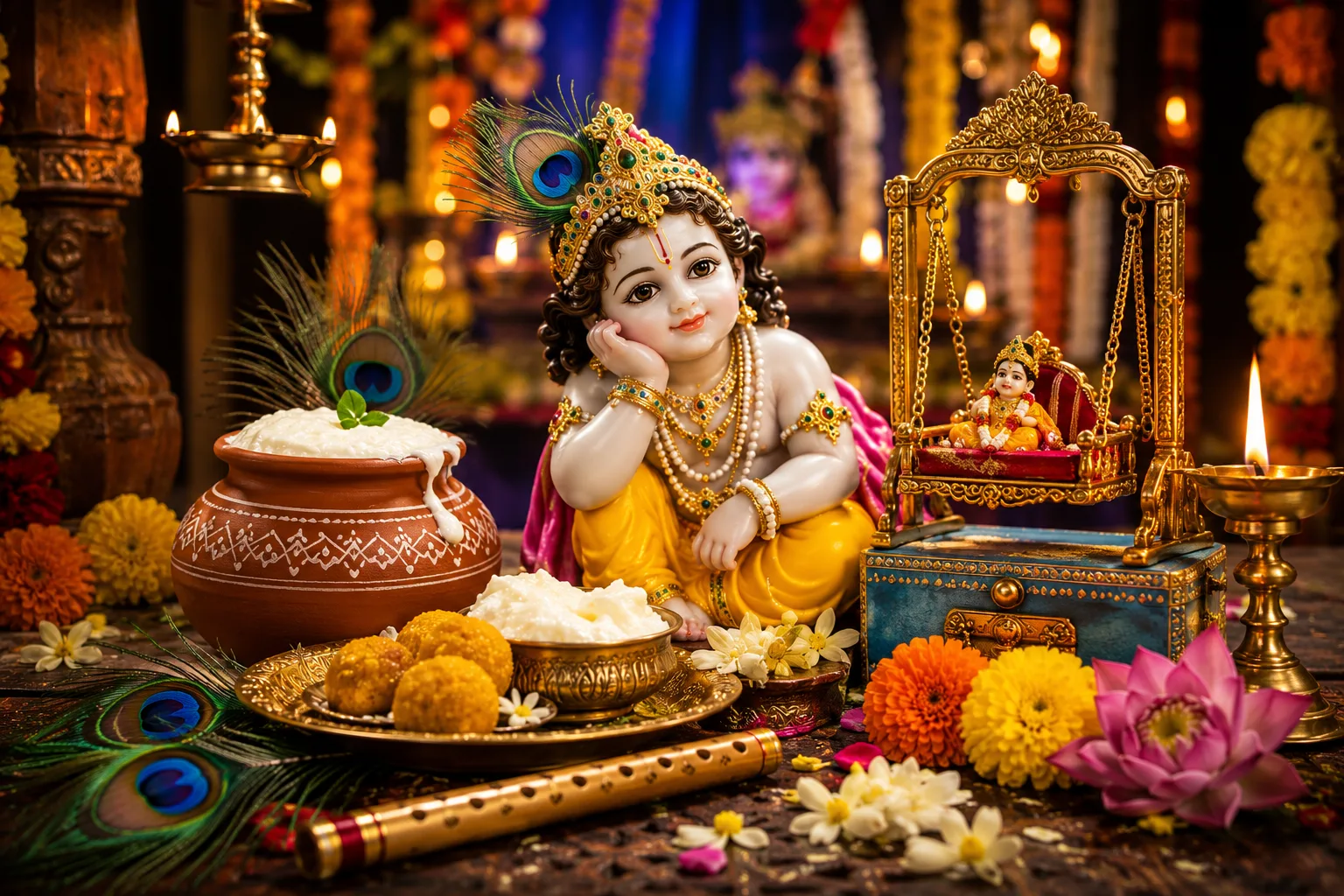
According to religious traditions, Lord Krishna was born at midnight in a prison in Mathura. His birth is associated with the Ashtami Tithi and Rohini Nakshatra. As a result, the midnight period, known as Nishita Kaal, holds special importance during Janmashtami celebrations. Devotees generally perform the main puja during this period and celebrate the birth of Krishna with devotional songs and prayers. After the birth ceremony, the idol of Bal Gopal is bathed, dressed in new clothes and placed in a decorated cradle.
Significance of Ashtami Tithi
Ashtami Tithi is at the centre of Krishna Janmashtami celebrations. The festival is traditionally observed based on the lunar calendar, making the beginning and ending of the Ashtami Tithi important for determining the date and timing of the celebrations. Since the timings of lunar dates can vary depending on geographical location, the exact puja timings may differ slightly from one city to another. Devotees are therefore advised to check the local Panchang for the most accurate timings.
Janmashtami 2026 Shubh Muhurat
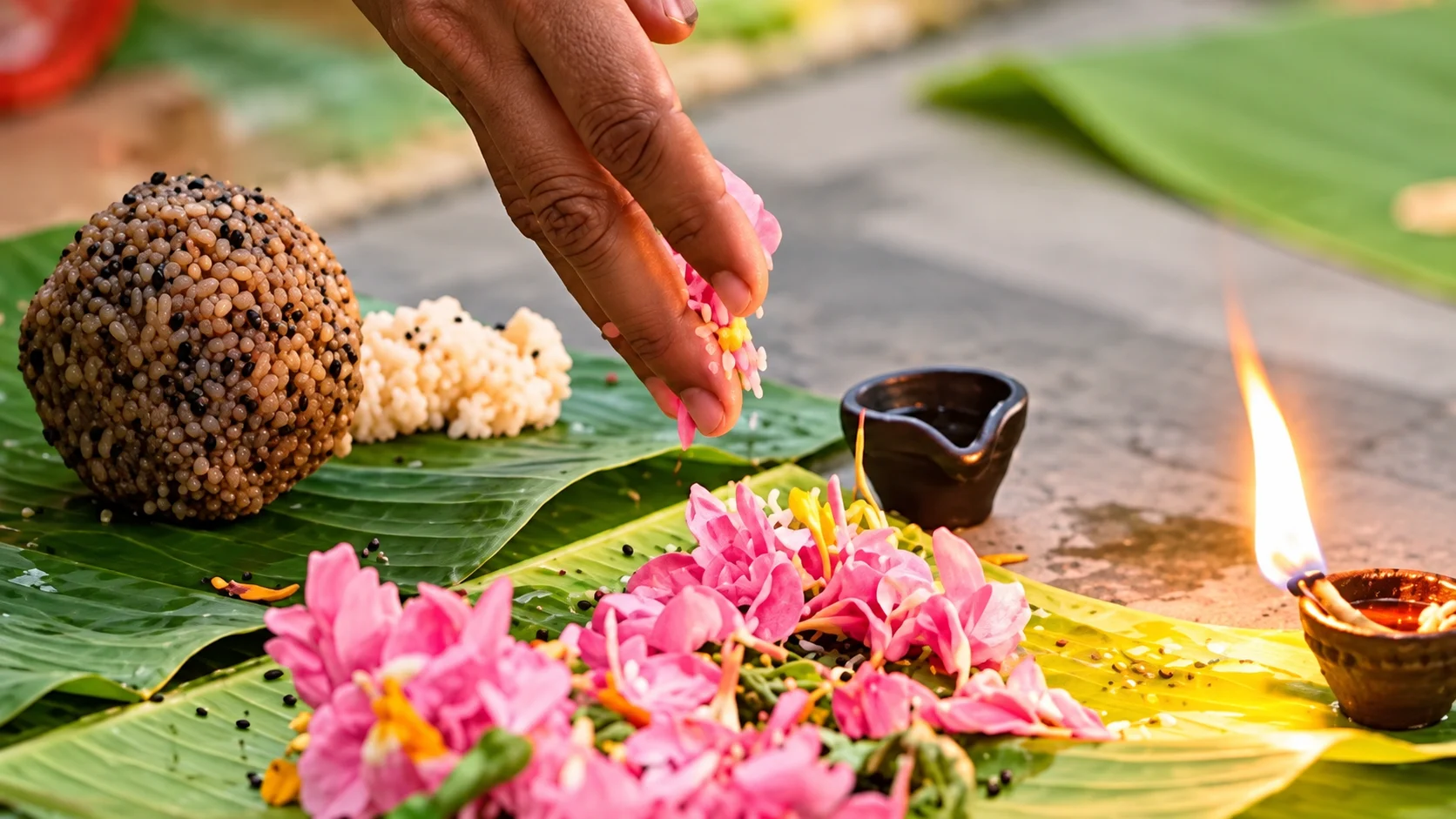
The Nishita Kaal, or midnight period, is considered the most important time for Krishna Janmashtami puja. Devotees perform special prayers during this period and celebrate the birth of Lord Krishna. The puja usually includes bathing the idol with Panchamrit, dressing Bal Gopal in new clothes and offering flowers, sweets and other devotional offerings. Makhana, mishri, fruits, milk-based sweets and other traditional prasad are commonly offered to the deity. The exact Nishita Kaal timing can vary from city to city because of differences in local sunrise and sunset calculations.
How do devotees observe the Janmashtami fast?
Fasting is an important part of Janmashtami for many devotees. People who observe the vrat generally take a pledge in the morning and spend the day in prayer and devotion. Some devotees observe a strict fast without grains, while others follow a fruit-based or milk-based diet. The rules for breaking the fast also differ according to regional and family traditions. Some devotees break their fast after the midnight birth celebration, while others wait until the Ashtami Tithi or Rohini Nakshatra has ended. Those observing a fast should follow their family tradition and consider their individual health requirements.
What is offered to Lord Krishna on Janmashtami?
Makhana and mishri are among the most popular offerings made to Lord Krishna during Janmashtami. Devotees also prepare Panchamrit, fruits, milk-based sweets, Dhaniya Panjiri and other traditional dishes as bhog. Families often prepare special prasad at home and offer it to Bal Gopal during the midnight puja. After the religious ceremony, the bhog is distributed among family members and devotees as prasad.
How to perform Janmashtami puja at home?
Devotees can begin the celebration by cleaning and decorating the puja area and placing the idol of Bal Gopal at the designated place. The idol can be dressed in new clothes and decorated with flowers, ornaments and a peacock feather. During Nishita Kaal, devotees traditionally perform the abhishek of Krishna with Panchamrit and then dress the deity again. The idol is placed in a decorated cradle, followed by prayers, Krishna bhajans and aarti. The puja concludes with the offering of bhog and distribution of prasad.
Why do Janmashtami timings vary across cities?
The timing of Janmashtami-related rituals can vary across different cities because Panchang calculations depend on the geographical location. The timing of sunrise, sunset, Ashtami Tithi and Nishita Kaal can therefore differ slightly between places such as Delhi, Mumbai, Lucknow, Jaipur, Patna, Bhopal, Kolkata and Chandigarh. For this reason, devotees should refer to the Panchang for their specific city before finalising the timing of the midnight puja or vrat parana.
Dahi Handi celebrations during Janmashtami
Dahi Handi is another popular tradition associated with Krishna celebrations, particularly in Maharashtra and several other parts of India. The event is inspired by stories of young Krishna stealing butter and curd with his friends. During Dahi Handi celebrations, an earthen pot filled with curd or other items is suspended high above the ground. Teams form human pyramids to reach and break the pot. The event is accompanied by music, dancing and large public gatherings, making it one of the most energetic celebrations associated with the festival.
Religious significance of Krishna Janmashtami
Krishna Janmashtami holds deep religious significance for devotees. According to Hindu beliefs, Lord Krishna appeared on Earth to restore dharma and fight injustice and oppression. His teachings, particularly those associated with duty, devotion, and righteous action, continue to influence millions of people. The festival therefore serves not only as a celebration of Krishna's birth but also as an opportunity for devotees to reflect on his teachings and values.
Janmashtami 2026 Date
Krishna Janmashtami will be celebrated on Friday, September 4, 2026. Devotees are expected to observe fasts throughout the day and participate in the midnight birth celebration. Homes and temples will be decorated, devotional programmes will be organised, and special bhog will be prepared for Bal Gopal. Since the exact timings of Ashtami Tithi, Rohini Nakshatra, Nishita Kaal and vrat parana can vary according to location, devotees should check their city's Panchang for the final timings before performing the rituals.