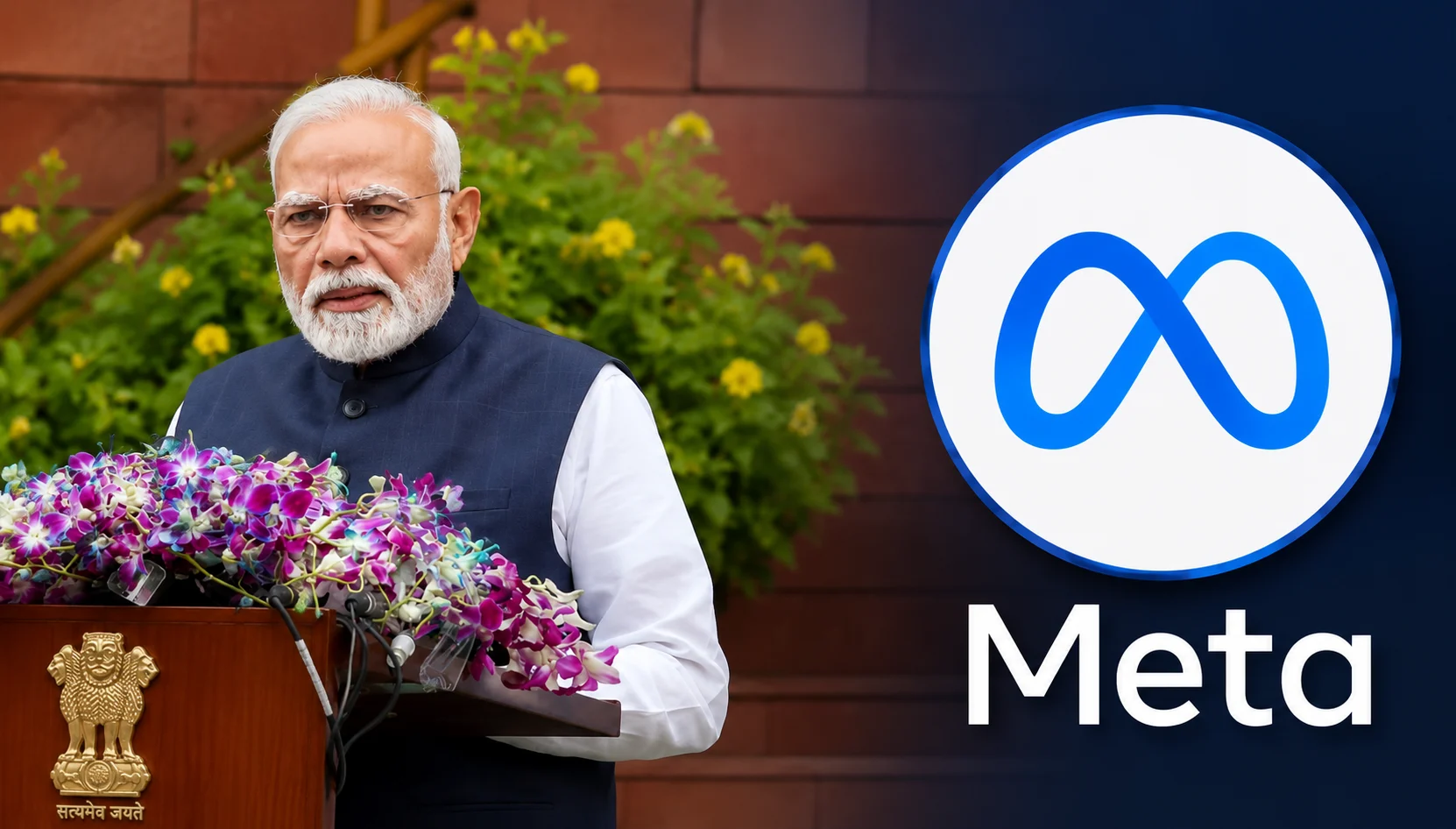
The Hyderabad Cyber Crime Police have registered criminal cases against Meta India Head Arun Srinivas and several Facebook and Instagram accounts over the alleged circulation of morphed and AI-generated content targeting Prime Minister Narendra Modi during the recent Cockroach Janta Party (CJP) protest over the alleged NEET paper leak. According to police officials, the action was initiated after complaints claimed that manipulated videos and images portraying the Prime Minister in an objectionable and misleading manner were widely shared on social media platforms. The investigation is now focused on identifying those responsible for creating, uploading and circulating the disputed content.
Complaints Trigger Police Investigation
The case was registered following separate complaints filed by S. Aravind Reddy, a businessman, and T. Saikiran Goud, a Telangana BJP activist. Both people said in their accusations that they came across multiple digitally changed images and videos of Prime Minister Narendra Modi on Instagram that were insulting and disparaging. They asserted that the content could deceive viewers since it seemed to have been created or altered using sophisticated editing software and artificial intelligence. In addition to insulting the Prime Minister, the complainants claimed that these posts could disseminate false information and disrupt public order during a politically delicate time.
AI-Generated Content Under Scanner
Investigators believe that artificial intelligence techniques capable of creating extremely convincing phony photos and videos may have been used to make some of the viral posts. Such AI-generated content, commonly referred to as "deepfakes," has become an increasing concern for law enforcement agencies worldwide. Cyber experts assisting the investigation are expected to examine whether the posts were digitally manipulated and determine how they were circulated across Facebook and Instagram. Authorities are also likely to track down the content's source and pinpoint the people or organizations responsible for its dissemination.
Why Meta India Is Named in the Case
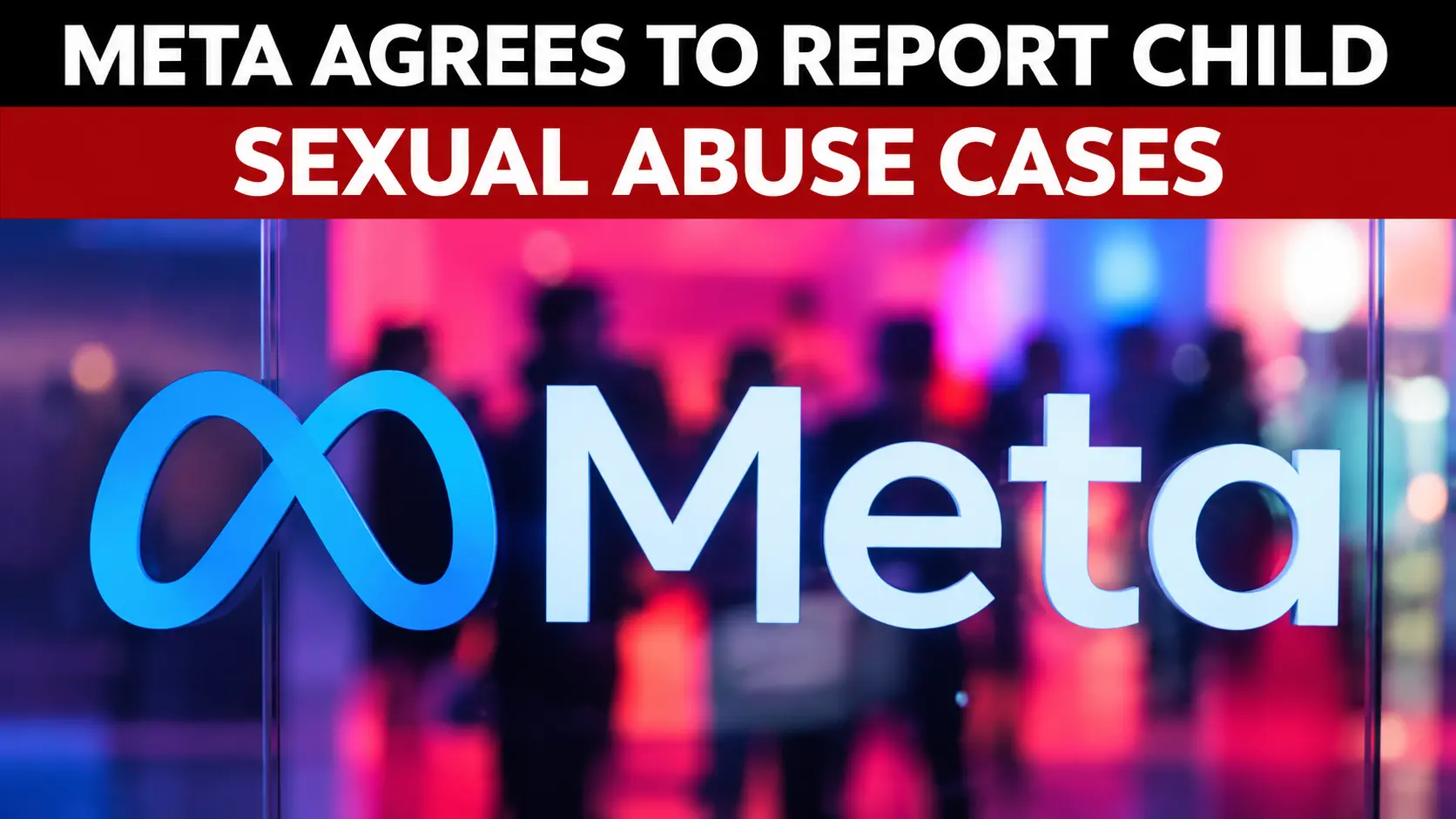
Because Meta owns and runs major social media sites like Facebook, Instagram, WhatsApp, Threads, and Messenger, the filing of a lawsuit against the head of Meta India has garnered a lot of attention. Officials have not alleged that the Meta India head personally created or shared the disputed posts. Instead, the case appears to relate to the alleged circulation of objectionable content through platforms operated by the company. The investigation is expected to examine whether there was any delay or failure in addressing complaints regarding the content after it was reported. Legal experts note that determining liability in such cases depends on the outcome of the investigation and the provisions of India's cyber laws.
Political Context Behind the Viral Posts
The alleged posts surfaced during the recent CJP-led protests over claims of irregularities in the NEET examination. The demonstrations attracted considerable attention on social media, where political supporters and critics actively shared opinions, videos, and images related to the controversy. Police believe that the charged political atmosphere may have contributed to the rapid spread of manipulated content. Authorities are now examining whether the posts were part of a coordinated online campaign or isolated incidents involving individual users.
Rising Concern Over Deepfakes
The case once again highlights the growing challenge posed by AI-generated misinformation in India. With advanced artificial intelligence tools becoming easily accessible, creating realistic fake videos, images and voice recordings has become significantly easier. Law enforcement agencies have repeatedly warned that deepfake content can damage reputations, influence public opinion, create social unrest and mislead voters during politically sensitive events. Cybercrime units across the country have been strengthening their capabilities to investigate digital manipulation and identify those responsible for creating or spreading such material. Technology companies have also introduced new systems to detect manipulated media, but experts believe the rapid advancement of AI continues to outpace existing moderation mechanisms.