Bengaluru Suburban Rail Project Progress Slows as Land Acquisition Delays Hit Three Corridors
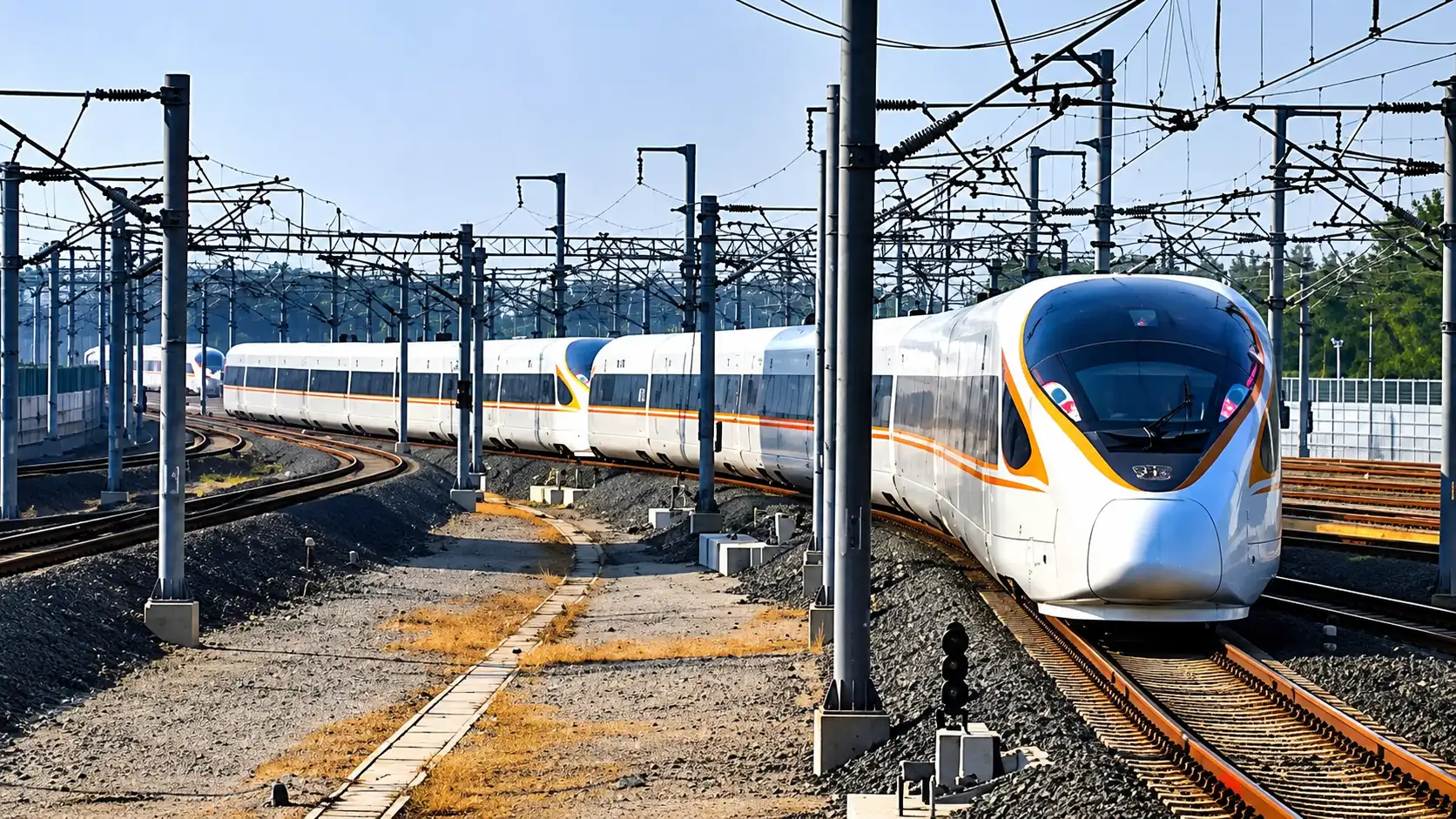
The ambitious Bengaluru Suburban Rail Project (BSRP), envisioned as a transformative solution to the city's worsening traffic congestion, continues to face significant hurdles despite receiving approval more than four years ago. According to the Union government's most recent update, just one of the project's four planned rail lines has finished acquiring the necessary land, and delays are still affecting development on the other corridors. The project, estimated to cost ₹15,767 crore, is one of Karnataka's most important infrastructure initiatives. By connecting important residential, commercial, and industrial sectors via a cutting-edge suburban rail network, it is anticipated to enhance public transit throughout Bengaluru once it is operational. However, slow land acquisition and pending transfer of government-owned land have emerged as major challenges affecting construction timelines.
Only One Corridor Achieves Land Acquisition Target
According to information shared by the Union government in the Lok Sabha, only one corridor under the Bengaluru Suburban Rail Project has successfully completed the land acquisition process. Progress on the other three corridors remains uneven. The slow speed of the acquisition procedure is demonstrated by the fact that only 7.8 acres of the almost 57 acres of property required for one corridor have been acquired. The remaining corridors are also awaiting land handovers and clearance before large-scale construction can move forward. In densely populated urban regions like Bengaluru, where proposed project alignments frequently overlap with residential properties, business establishments, and government-owned parcels, land acquisition continues to be one of the most complicated phases of significant infrastructure projects.
Project Cost and Expenditure So Far
The total sanctioned cost of the Bengaluru Suburban Rail Project stands at ₹15,767 crore. Preliminary work, planning, construction, design, utility moving, and initial infrastructure development are just a few of the project-related operations that have already cost about ₹2,659 crore, according to government data. While financial allocations continue to support the project, physical progress remains slower than expected due to unresolved land-related issues. Infrastructure experts note that delays in acquiring land often increase project costs because of inflation, construction material price fluctuations, and changes in labour expenses.
Why Land Acquisition Is Taking Time
Officials have identified pending land acquisition as the primary reason for the project's slow progress.
Several factors contribute to these delays:
- Negotiations with private landowners.
- Legal procedures involving compensation.
- Transfer of state government land.
- Relocation of public utilities.
- Administrative approvals from multiple agencies.
In addition to acquiring privately owned land, portions of the project also require government departments to transfer land under their control before railway construction can begin. Such coordination often takes considerable time due to procedural requirements and inter-departmental approvals.
Importance of the Bengaluru Suburban Rail Project
The Bengaluru Suburban Rail Project has long been considered one of the city's most significant transportation upgrades. With Bengaluru experiencing rapid population growth, increasing vehicle ownership, and severe traffic congestion, the suburban rail network aims to provide residents with a faster, more reliable, and environmentally friendly commuting option.
Once completed, the network is expected to:
- Reduce dependence on private vehicles.
- Improve connectivity between residential suburbs and business districts.
- Decrease travel time across the metropolitan region.
- Lower traffic congestion on major roads.
- Promote sustainable urban transportation.
Urban planners believe the project will complement existing transport systems, including the Namma Metro, BMTC bus services, and future mobility initiatives.
Benefits for Daily Commuters
Thousands of commuters currently spend several hours each day travelling across Bengaluru due to heavy road traffic.
The suburban rail system is expected to significantly improve travel efficiency by offering:
- Faster point-to-point connectivity.
- Better integration with metro stations.
- Improved access to industrial hubs.
- Reduced fuel consumption.
- Lower transportation costs for regular passengers.
For working professionals, students, and daily commuters, the project promises to make public transport more accessible and dependable.
Government Continues Construction Efforts
Despite the delays, both the Central and Karnataka governments have reiterated their commitment to completing the project. Construction activities continue in sections where land is available, while authorities simultaneously work to resolve pending acquisition issues on the remaining corridors. Officials have indicated that coordination between various government departments is ongoing to accelerate approvals and facilitate land transfers. Project agencies are also expected to intensify efforts to complete acquisition processes in the coming months.
Infrastructure Challenges in Growing Cities
Large urban infrastructure projects frequently encounter delays due to land acquisition challenges. Cities like Bengaluru face unique difficulties because available land is limited, property values are high, and development has expanded rapidly over the past two decades. Balancing infrastructure expansion with fair compensation, legal compliance, and environmental considerations requires careful planning and extensive coordination among multiple stakeholders. Experts believe that resolving land acquisition efficiently remains essential for avoiding further schedule overruns.
What Lies Ahead?
The Bengaluru Suburban Rail Project remains a critical investment in the city's long-term transportation future. While only one corridor has successfully completed land acquisition so far, authorities continue working to remove bottlenecks affecting the remaining routes. As pending approvals are resolved and additional land becomes available, construction activity is expected to accelerate across the project. Residents and commuters continue to await meaningful progress, hoping the suburban rail network will eventually provide a lasting solution to Bengaluru's growing mobility challenges. Although the project has experienced delays, its long-term benefits for urban connectivity, economic growth, and sustainable transportation remain significant.