.webp)
Home / startup / India's Startup Revolution Creates Over 12 Lakh Jobs, Emerging as a Powerful Engine of Economic Growth
India's Startup Revolution Creates Over 12 Lakh Jobs, Emerging as a Powerful Engine of Economic Growth
By: My India Times
3 minutes read 10Updated At: 2026-06-03

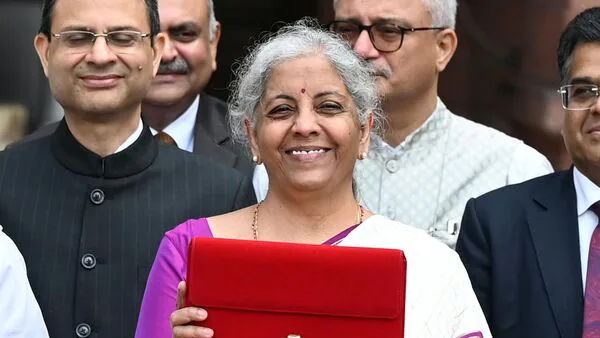
New Delhi: A decade ago, launching a startup in India was largely seen as a high-risk dream pursued by a handful of entrepreneurs in major cities. Today, that landscape has transformed dramatically. India's startup scene has developed into one of the nation's most powerful engines of employment, investment, and innovation, opening doors for millions of people and influencing the country's economic destiny. According to the Finance Ministry's latest review of the Indian economy, more than 1.14 lakh startups recognized under the Startup India initiative have collectively generated over 12 lakh direct jobs across the country. At a time when creating jobs is still a top economic goal, the numbers demonstrate not only the quick growth of India's entrepreneurial ecosystem but also its increasing contribution to job creation.
The startup story in India is no longer limited to Bengaluru, Delhi, Mumbai, or Hyderabad. Increasingly, Tier-2 and Tier-3 cities are producing new companies, bringing economic activity and innovation to areas that have historically drawn less private investment. From Jaipur and Indore to Kochi, Surat, and Bhubaneswar, young entrepreneurs are building companies that are creating jobs close to home and reducing the need for migration to larger cities.
According to industry experts, a number of factors, such as increased internet penetration, digital transformation, easier access to funding, favorable government policies, and a growing desire for entrepreneurship among young Indians, have contributed to the expansion of India's startup ecosystem.
Over the years, startups have expanded across a wide range of sectors. Financial technology, e-commerce, healthcare, education technology, artificial intelligence, logistics, agriculture, software services, and clean energy have emerged as some of the most active areas of innovation. These businesses are creating numerous job possibilities for experts, skilled laborers, and recent graduates in addition to addressing real-world problems.
The impact extends far beyond direct hiring. Every successful startup creates demand for suppliers, technology providers, marketing agencies, delivery partners, consultants, and other support services. Because of this, the industry has grown to be a major source of indirect employment as well, supporting a wider range of industries' economic activities.
The Finance Ministry's review also underscores the increasing importance of technology-led businesses in shaping India's future economy. As companies adopt digital solutions at a faster pace, startups are playing a crucial role in helping businesses improve efficiency, expand their customer reach, and remain competitive in an increasingly digital world.
Another notable trend is the growing participation of women entrepreneurs and first-generation founders. Many of today's successful startups are being built by individuals who come from non-business backgrounds but have leveraged technology, innovation, and determination to create scalable enterprises. This shift reflects the changing face of entrepreneurship in India, where opportunity is becoming more accessible than ever before.
Economic analysts view the creation of more than 12 lakh jobs as a significant milestone. In a country with one of the world's youngest populations, employment generation remains one of the most important indicators of sustainable economic growth. The startup sector's contribution demonstrates how innovation-driven businesses can support both economic development and job creation simultaneously.
Government initiatives such as Startup India, Digital India, and various funding and incubation programs have helped create an environment where entrepreneurship can flourish. Policymakers believe that continued investment in innovation, infrastructure, skill development, and technology adoption will further strengthen the ecosystem in the coming years.
Today, India's startup ecosystem represents much more than a collection of emerging companies. It has become a powerful force driving economic growth, attracting global investment, encouraging innovation, and creating employment opportunities across the country.
With more than 1.14 lakh recognized startups and over 12 lakh jobs already created, India's entrepreneurial journey is entering a new phase. If the current momentum continues, the country is well-positioned to strengthen its status as one of the world's leading startup destinations while creating millions of additional opportunities for the next generation of innovators and professionals.
....By: My India Times
Updated At: 2026-06-03
Tags: startup News | My India Times News | Trending News | Travel News
Join our WhatsApp Channel

Similiar News




















































.jfif)








.jpg)









US Supreme Court Rejects 26/11 Accused Tahawwur Rana’s Plea to Block Extradition to India
2025-03-08









































































.png)
 (1).png)