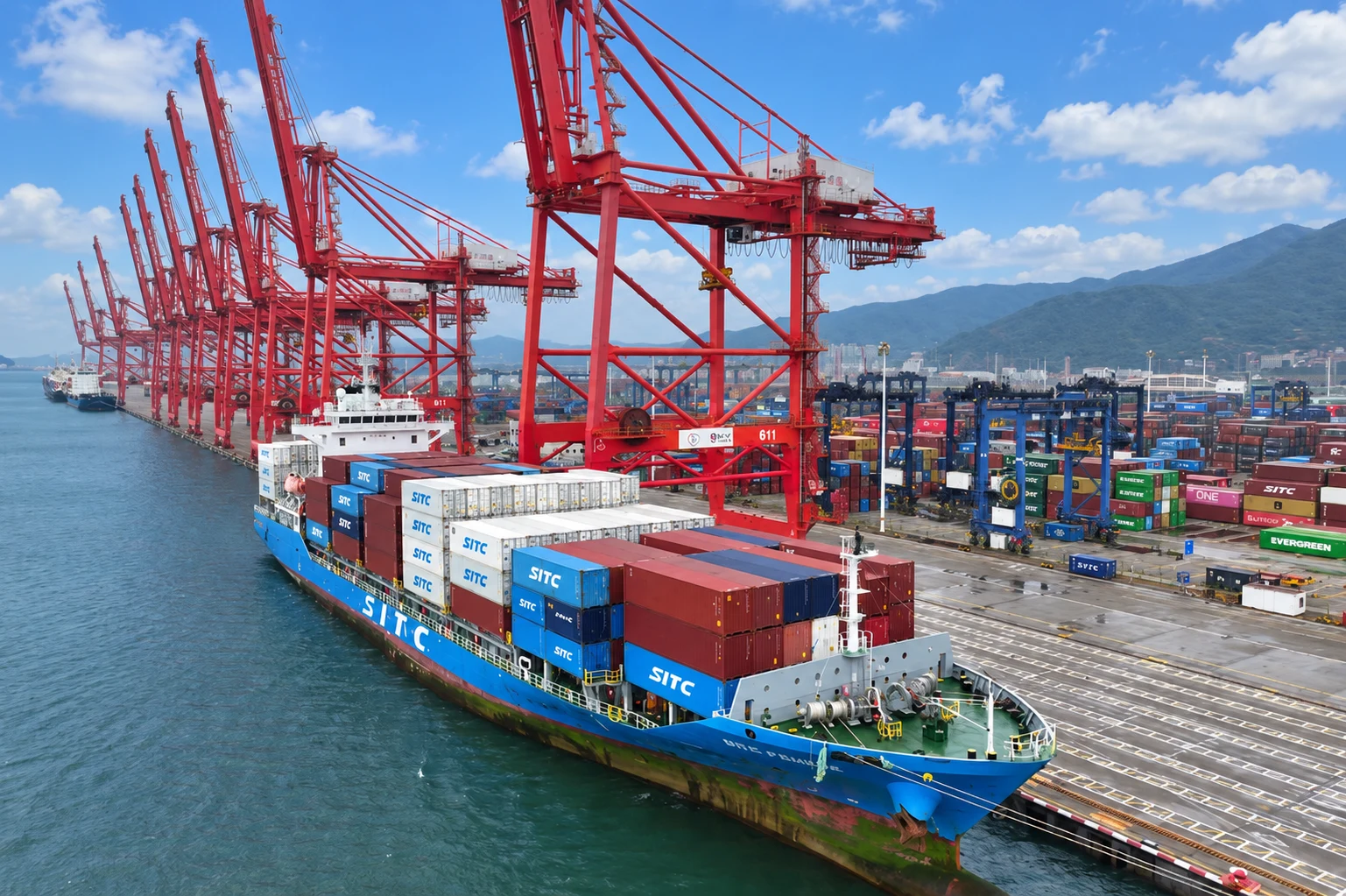
Chinas overseas shipments accelerated sharply in August, highlighting the continued strength of the countrys export sector despite a challenging global economic environment. Strong demand linked to the rapid expansion of artificial intelligence infrastructure appears to have provided an additional boost to Chinese exporters, while the growing trade gap could create fresh friction with major trading partners. Official trade figures released by Chinas General Administration of Customs on Tuesday showed that exports increased 25.0% in August compared with the same month a year earlier. The pace was stronger than the 23.9% annual growth recorded in July, indicating that Chinese manufacturers continued to find strong demand in international markets. The latest performance also came in above market expectations, pointing to stronger-than-anticipated momentum in China's external trade.
AI Boom Provides Fresh Support to Chinese Exports
One of the important factors supporting China's export performance has been the global investment boom in artificial intelligence. The rapid construction of data centres and AI-related infrastructure around the world has increased demand for a wide range of equipment and components. Chinese manufacturers have become major suppliers across several parts of the technology and electronics supply chain. From electronic components to industrial equipment, machinery and other products used in large-scale infrastructure projects, manufacturers in China have benefited from the increasing capital spending associated with AI development. The continued expansion of this sector could provide an important source of support for China's exporters in the months ahead, particularly as companies worldwide race to expand computing capacity.
Export Growth Outpaces Expectations
The August numbers indicate that China's external demand remains considerably stronger than some analysts had anticipated. Exports had already recorded a substantial increase in July, but the acceleration in August suggests that manufacturers were able to maintain their momentum despite uncertainties surrounding global trade. The stronger figures also underline the competitiveness of Chinese producers in international markets. China's vast manufacturing base, established supply chains and ability to produce goods at scale continue to give its exporters an important advantage. However, the rapid increase in exports is also likely to attract greater attention from trading partners.
Growing Trade Imbalance Could Create Tensions
While stronger exports are positive for China's manufacturing sector, the widening trade surplus could become a source of concern for other major economies. A large and persistent surplus means China is exporting considerably more goods than it imports. Trading partners have increasingly raised concerns about what they see as imbalances in global trade and the competitive pressure created by China's manufacturing strength. The latest surge in exports could therefore intensify discussions over trade policies, market access and industrial competition. Several economies have already taken steps to protect domestic industries from rising imports of Chinese goods. A further increase in China's export dominance could add pressure for governments to consider additional trade measures.
Chinese Manufacturers Continue to Look Overseas
China's exporters have been navigating a complicated global environment in recent years. Weakness in some traditional markets, geopolitical tensions and changes in supply chains have encouraged companies to diversify their overseas customer base. Chinese manufacturers have increasingly expanded their presence across emerging markets while continuing to compete strongly in established economies. The ability to redirect shipments between different markets has helped businesses manage changing demand conditions and maintain export growth. At the same time, companies are investing in higher-value products and technologies in an effort to move beyond traditional low-cost manufacturing.
What the Numbers Mean for Chinas Economy
Exports remain an important pillar of China's economy, supporting industrial production, employment and business activity. The strong August performance could provide some relief for policymakers as they seek to maintain economic growth. A resilient export sector can help offset weakness in other parts of the economy and provide manufacturers with additional orders. However, relying heavily on overseas demand also carries risks. If trade tensions increase or major economies introduce new restrictions on Chinese products, exporters could face greater challenges. The sustainability of the current export boom will therefore depend not only on global demand but also on the evolution of international trade policies.
Global Trade Faces a New Test
China's latest export figures arrive at a time when the global trading system is already undergoing significant changes. Governments are increasingly focusing on domestic manufacturing, supply-chain security and reducing dependence on foreign suppliers. China's growing role in areas such as advanced manufacturing, electric vehicles, electronics and technology-related equipment has made its trade performance increasingly important for the global economy. The August data show that, for now, international demand for Chinese products remains strong.
Outlook for Chinas Export Sector
The acceleration in August exports provides a strong start to the second half of the year and suggests that Chinese manufacturers are continuing to benefit from robust overseas demand. The AI infrastructure boom could remain an important driver, particularly if global investment in data centres, computing systems and related technologies continues to expand. But the same export strength that benefits China's economy could also increase political and economic pressure from trading partners. For Beijing, the challenge will be to sustain export momentum while managing the growing concerns surrounding trade imbalances. The coming months will show whether China's exporters can maintain their rapid growth without triggering a stronger international backlash.