Bangladesh Expresses Strong Protest Over Sheikh Hasina's Appearance in India
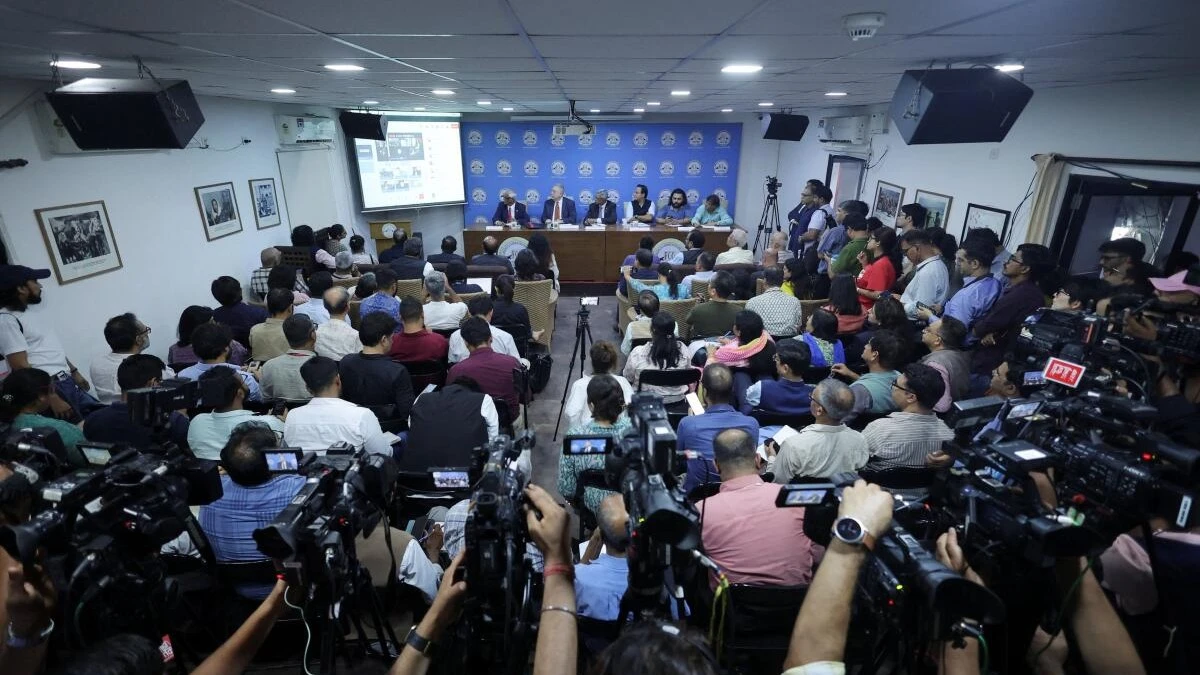
Following former Bangladeshi Prime Minister Sheikh Hasina's first public media appearance from New Delhi since leaving office, political tensions between India and Bangladesh have escalated. Dhaka reacted sharply to the press conference, which took place on August 5, the second anniversary of the national revolt that resulted in her government's overthrow in 2024. The Bangladeshi interim administration called Hasina's speech from India "deeply regrettable" and reaffirmed its long-standing call for her extradition. According to officials, India has not yet formally responded to numerous diplomatic requests for her repatriation, further straining ties between the two neighboring nations. The latest development has once again placed Bangladesh's political crisis, Sheikh Hasina news, and India-Bangladesh relations at the centre of regional and international discussions.
Sheikh Hasina Addresses International Media From New Delhi
Sheikh Hasina participated virtually in the Foreign Correspondents' Club of South Asia event in New Delhi, defending her tenure while answering inquiries regarding the political events that compelled her to leave Bangladesh. After months of political instability and violent protests, she departed Bangladesh, and this appearance was her first encounter with foreign media. Critics accused her of meddling in Bangladesh's domestic affairs, while supporters saw her speech as an attempt to give her perspective on events, and it garnered significant attention throughout South Asia. Her son Sazib Wazed Joy, former minister Mohibul Hasan Chowdhury Nowfel, and former Bangladeshi cricket captain Shakib Al Hasan were among the notable individuals from her previous administration who attended the event, demonstrating that important members of her political network are still involved despite the change in leadership.
Dhaka Repeats Extradition Request to India
Reacting to the press conference, Bangladesh's interim administration reiterated that it has officially requested India to extradite Sheikh Hasina to face legal proceedings in Bangladesh. According to government officials, multiple diplomatic communications have been sent over the past several months, but no official response has been received. Authorities argue that allowing Hasina to publicly address international audiences from India while extradition requests remain pending raises serious concerns. Government representatives maintained that Bangladesh expects all legal matters involving former leaders to be handled through established judicial processes. The issue of Sheikh Hasina's extradition has become one of the most sensitive topics in bilateral relations, with political observers closely watching India's next diplomatic move.
Legal Proceedings Continue Against Former Prime Minister
Following the change in government, Bangladesh initiated several legal cases against Sheikh Hasina and a number of senior officials from her former administration. The country's International Crimes Tribunal later convicted her in absentia in connection with the alleged crackdown on anti-government protests during the 2024 political movement. The tribunal handed down a death sentence in the case, a verdict that has generated significant debate both within Bangladesh and internationally. While the interim administration maintains that the legal process followed domestic law, supporters of the former Prime Minister have questioned the fairness of the proceedings and continue to reject the charges. The legal battle has further complicated efforts to restore political stability in Bangladesh.
Political Divide Deepens Across Bangladesh
Public reaction to Sheikh Hasina's appearance has reflected the deep political divisions that continue to exist in Bangladesh. Supporters of the interim government criticized the timing of the event, noting that it took place on the anniversary of the nationwide protests that reshaped the country's political landscape. On social media, many users accused the former Prime Minister of attempting to influence public opinion from abroad. At the same time, supporters of the Awami League argued that Hasina has the right to present her perspective and respond to allegations made against her. Political analysts believe the controversy is likely to intensify debates over accountability, democratic institutions, and the future direction of Bangladesh's politics.
India Maintains Careful Diplomatic Position
India has so far maintained a cautious approach regarding Sheikh Hasina's presence within its territory. New Delhi has not publicly commented on Bangladesh's latest criticism following the press conference, nor has it indicated any change in its position regarding the extradition requests. Given the long-standing strategic partnership between India and Bangladesh, experts believe New Delhi will continue balancing diplomatic relations while carefully evaluating legal, political, and regional implications before taking any significant decision. The situation has also attracted attention from international observers because of the importance of stable India-Bangladesh ties for regional security, trade, and connectivity in South Asia.
Regional Implications of the Ongoing Crisis
The renewed controversy highlights how unresolved political disputes in Bangladesh continue to influence regional diplomacy. Relations between the two countries have historically been shaped by cooperation on security, border management, trade, water sharing, and economic development. However, the continuing disagreement over Sheikh Hasina's legal status has emerged as one of the most significant diplomatic challenges between Dhaka and New Delhi in recent years. Experts suggest that future dialogue between both governments will play a crucial role in preventing further escalation while ensuring that bilateral cooperation remains unaffected in other strategic sectors.
Sheikh Hasina's first public press conference from India since her removal from power has reopened one of South Asia's most sensitive political disputes. Bangladesh's strong protest and renewed extradition demand underline the continuing tensions surrounding the former Prime Minister's future. As legal proceedings continue in Bangladesh and India remains silent on the extradition issue, the political crisis is expected to remain a major focus of regional diplomacy. The coming weeks may determine whether both countries can manage their differences through diplomatic engagement or whether the issue develops into a larger challenge for India-Bangladesh relations.