.webp)
Home / hockey / Harendra Singh on Transforming Indian Women’s Hockey: A New Era of Discipline, Fitness, and Mental Strength
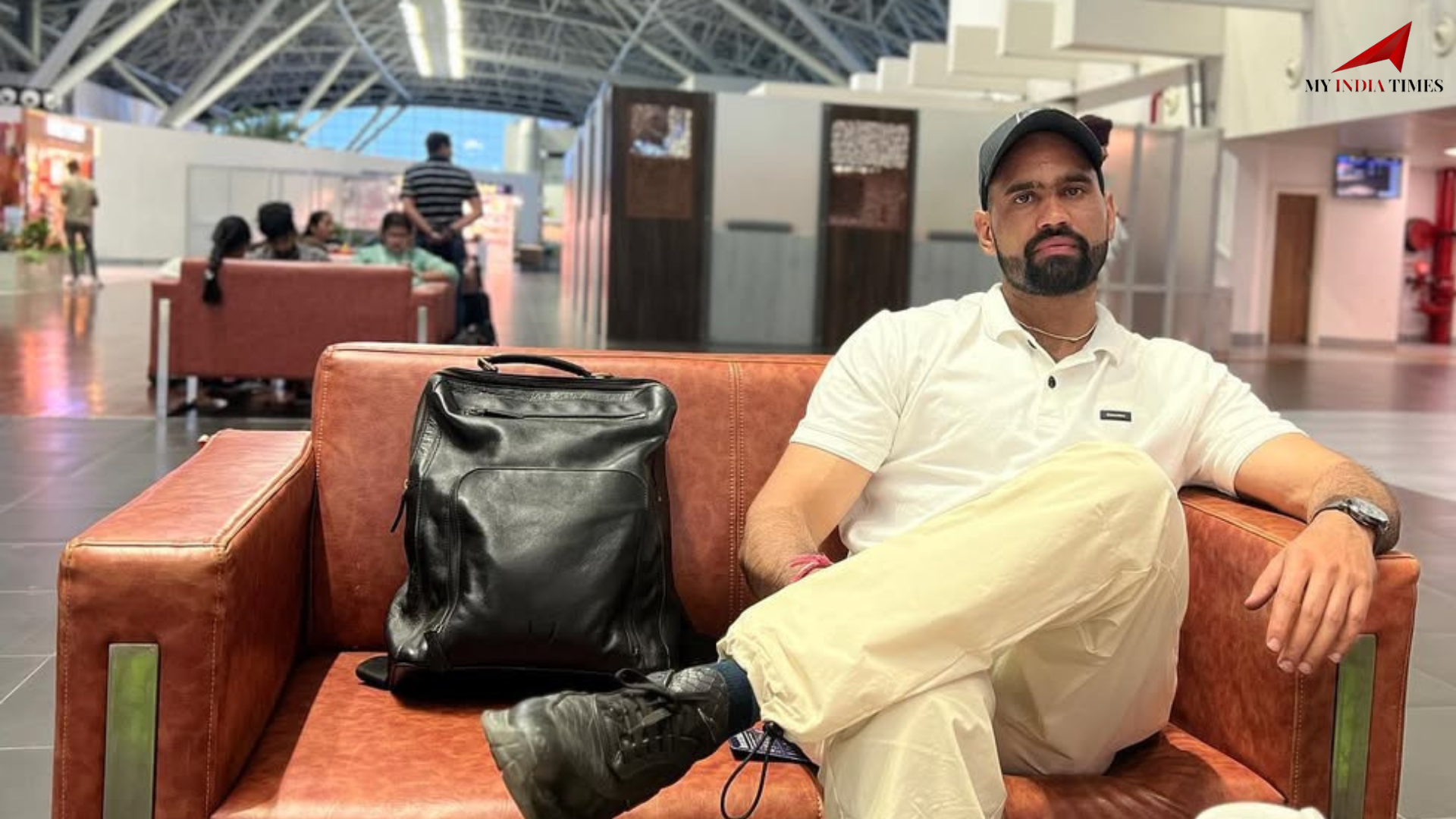
Harendra Singh on Transforming Indian Women’s Hockey: A New Era of Discipline, Fitness, and Mental Strength
By: My India Times
6 minutes read 83Updated At: 2025-02-12

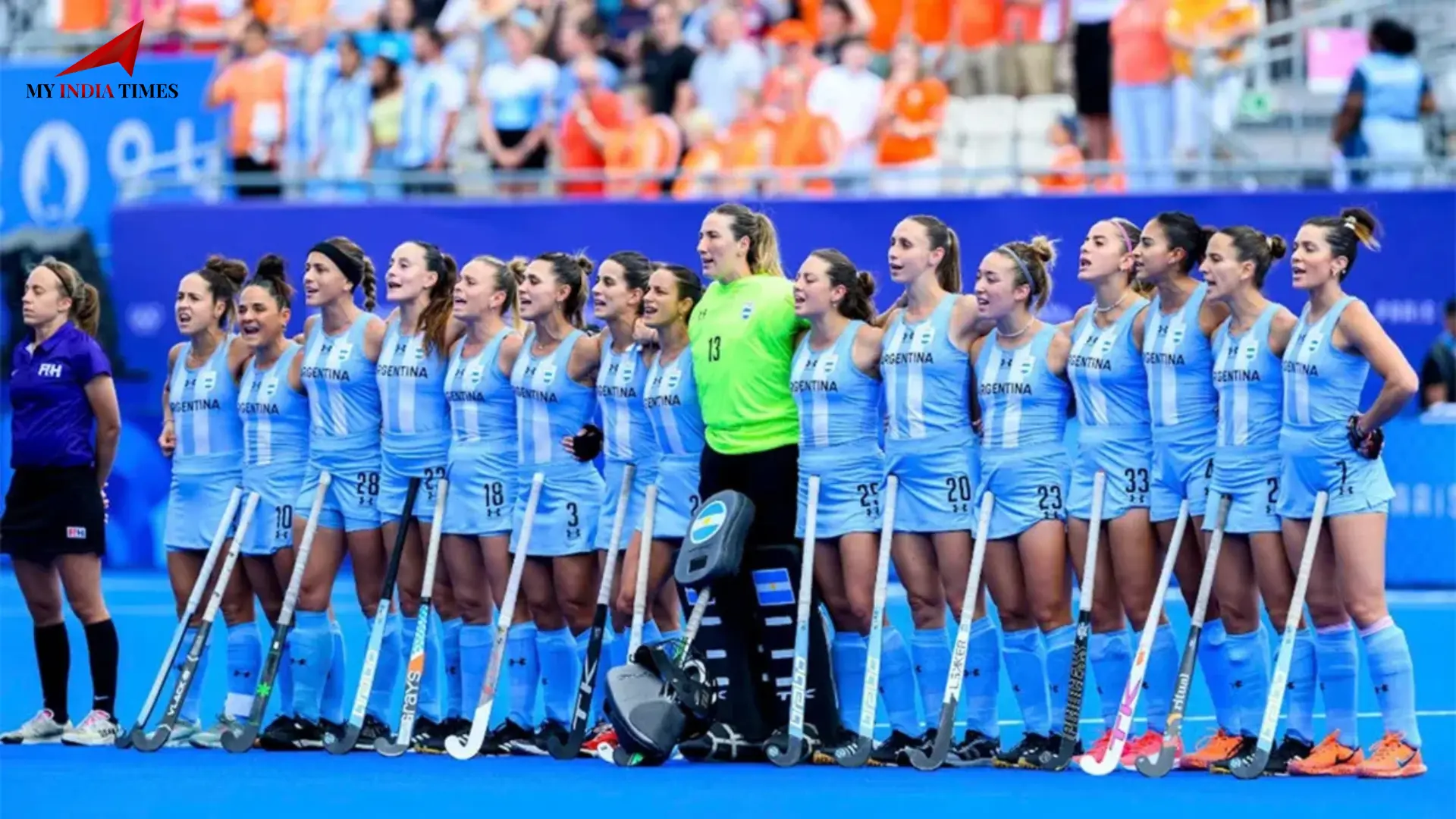
As the Indian women’s hockey team prepares to face some of the world’s top contenders in the upcoming FIH Pro League 2024–25, head coach Harendra Singh shares insights into the team’s progress, challenges, and future goals. The Pro League, scheduled to take place in Bhubaneswar from February 15, will see India compete against powerhouses like the Netherlands, England, Spain, and Germany. With his distinct leadership style and a renewed focus on modernizing the game, Singh is determined to push the team beyond its limits and set a new benchmark for Indian hockey.
Redefining the Guru-Shishya Tradition: Empowering Players for Modern Hockey
Harendra Singh, a veteran in the Indian hockey circuit, acknowledges the deep-rooted traditions in the country’s sports culture. However, he firmly believes that the age-old guru-shishya (teacher-student) dynamic must evolve. "While respect for the coach is essential, today’s athletes need to be active participants in their development," Singh asserts. He emphasizes that players must question, analyze, and contribute to decision-making processes. Instead of a top-down approach where instructions are blindly followed, Singh advocates for an environment where players take ownership of their growth, fostering leadership qualities both on and off the field.
The Journey So Far: From Olympic Disappointment to Asian Champions Trophy Triumph
Since taking over as head coach in April 2023, Singh has faced both setbacks and successes. His first assignment, the Pro League 2023-24, ended in disappointment with India finishing eighth out of nine teams. However, Singh used this as a learning experience, identifying fitness as the primary area for improvement. "The team wasn’t at the international fitness level required to compete with the best," he reflects. Through rigorous training and mental conditioning, Singh’s efforts bore fruit when India went unbeaten in the Asian Champions Trophy, ending the year on a high note. This success has become a stepping stone towards the ultimate goal: a podium finish at the 2028 Olympics.
Fitness First: Building Athletes Beyond Skill Sets
For Singh, skill alone is not enough. He places a significant emphasis on fitness, stressing that modern hockey demands high-speed endurance, strength, and quick recovery. "Many athletes are introduced to sports science only after joining the national team, but this should start much earlier, ideally by the age of 18," Singh explains. He advocates for holistic development, including nutrition, mental health, and recovery processes, especially addressing topics like menstrual health, which often remain taboo. Singh believes that open discussions about such issues are essential for optimizing player performance and building trust within the team.

Breaking Taboos: Addressing Menstrual Health in Sports
One of Singh’s most progressive initiatives has been openly addressing menstrual health in training. "A coach needs to know when a player is on her period to adjust training loads accordingly," Singh explains. Ignoring this can lead to burnout, injuries, or reduced performance. By integrating menstrual cycle tracking into the team’s fitness regime, Singh ensures that athletes can maintain peak performance without compromising their health. This forward-thinking approach not only improves physical outcomes but also fosters a supportive environment where players feel comfortable discussing personal health issues.
Data-Driven Coaching: Lessons from the USA
Having previously worked in the USA, Singh brought back valuable insights on data-driven coaching. "In the USA, the ecosystem supports athletes with detailed feedback on their performance, something that was lacking here," Singh notes. He introduced an athlete monitoring system that tracks various performance metrics, from VO2 max levels to recovery rates. This transparency helps players understand their strengths and areas for improvement, fostering a more collaborative and less stressful environment. Singh credits Hockey India and the Sports Authority of India for their quick adaptation to these new methods, providing the team with state-of-the-art technology to enhance their training.
Nurturing New Talent: The Next Generation of Stars
Singh has a keen eye for talent, and several young players have caught his attention. "There are at least six girls outside the core group who are knocking on the door," he reveals. Players like Sonam, Annu, and Jyoti Singh have shown tremendous potential and are poised to make their mark on the international stage. Singh emphasizes the importance of giving these players match experience, particularly in high-pressure environments like the Hockey India League, to prepare them for the global stage. "If they can handle the pressure here, they’re ready to wear the Indian jersey," he asserts.

Leadership on the Field: Salima Tete’s Rise as Captain
Singh’s decision to appoint Salima Tete as the new captain marked a strategic shift in leadership. While veteran goalkeeper Savita Punia remains a crucial figure in the team, Singh wanted a leader who could influence play directly on the field. "Salima connects the midfield to both strikers and defenders. Her performance over the past few years made her the natural choice," Singh explains. This move reflects Singh’s philosophy that leadership is about action and influence rather than titles. By empowering players like Salima, Singh is building a team culture centered on accountability and performance.
Managing Workload and Preventing Injuries: The Role of Technology
With a packed calendar ahead, Singh is acutely aware of the risks of player burnout. The team will play eight matches in just 10 days during the Pro League, followed by the senior nationals in March. To manage this workload, Singh relies on advanced gadgets like TIJA and Catapult, which monitor players’ physical and mental states. "We know each player’s condition before they even step on the field," Singh says. This data-driven approach allows for strategic rotations, ensuring that players remain fresh and injury-free throughout the season.
Looking Ahead: Roadmap to the 2028 Olympics
Singh’s vision extends beyond immediate competitions. While a strong performance in the upcoming Pro League is crucial, his sights are firmly set on the 2028 Olympics. "The Pro League will set the tone. Finishing in the top five will secure our World Cup qualification, reducing pressure during the Asia Cup," Singh outlines. By 2025, he aims to have a core group of 24 players ready for the World Cup and Asian Games. Singh’s methodical approach ensures that each competition serves as a building block towards Olympic glory.
Changing the Culture: From Individual Agendas to Team Unity
When Singh took over, he noticed that players had divergent agendas. To instill unity, he organized a military-style training camp in Kerala, drawing inspiration from the armed forces’ emphasis on teamwork and discipline. "The armed forces know no religion, no individual ego—it’s all about the team," Singh reflects. This camp helped players understand each other’s backgrounds, fostering a sense of camaraderie essential for team success. Singh’s holistic approach combines physical training with mental resilience, ensuring that the team is not just skilled but also united in their pursuit of excellence.
With a clear roadmap and a commitment to holistic development, Harendra Singh is steering the Indian women’s hockey team towards a brighter, more competitive future. His blend of traditional values and modern techniques is laying the foundation for a new era in Indian hockey—one that promises resilience, innovation, and success on the global stage.
....Independent reporting, fact-checked analysis and breaking news coverage from India and around the world.
Trusted source for breaking news, business, technology, world affairs, finance, economy, health, sports and market insights from India and around the globe.
Join our WhatsApp Channel







































.png)
 (1).png)