Bihar authorities have cautioned residents against consuming, purchasing, or selling unfamiliar fish found in floodwaters, citing possible contamination and health risks after devastating floods in Nepal.
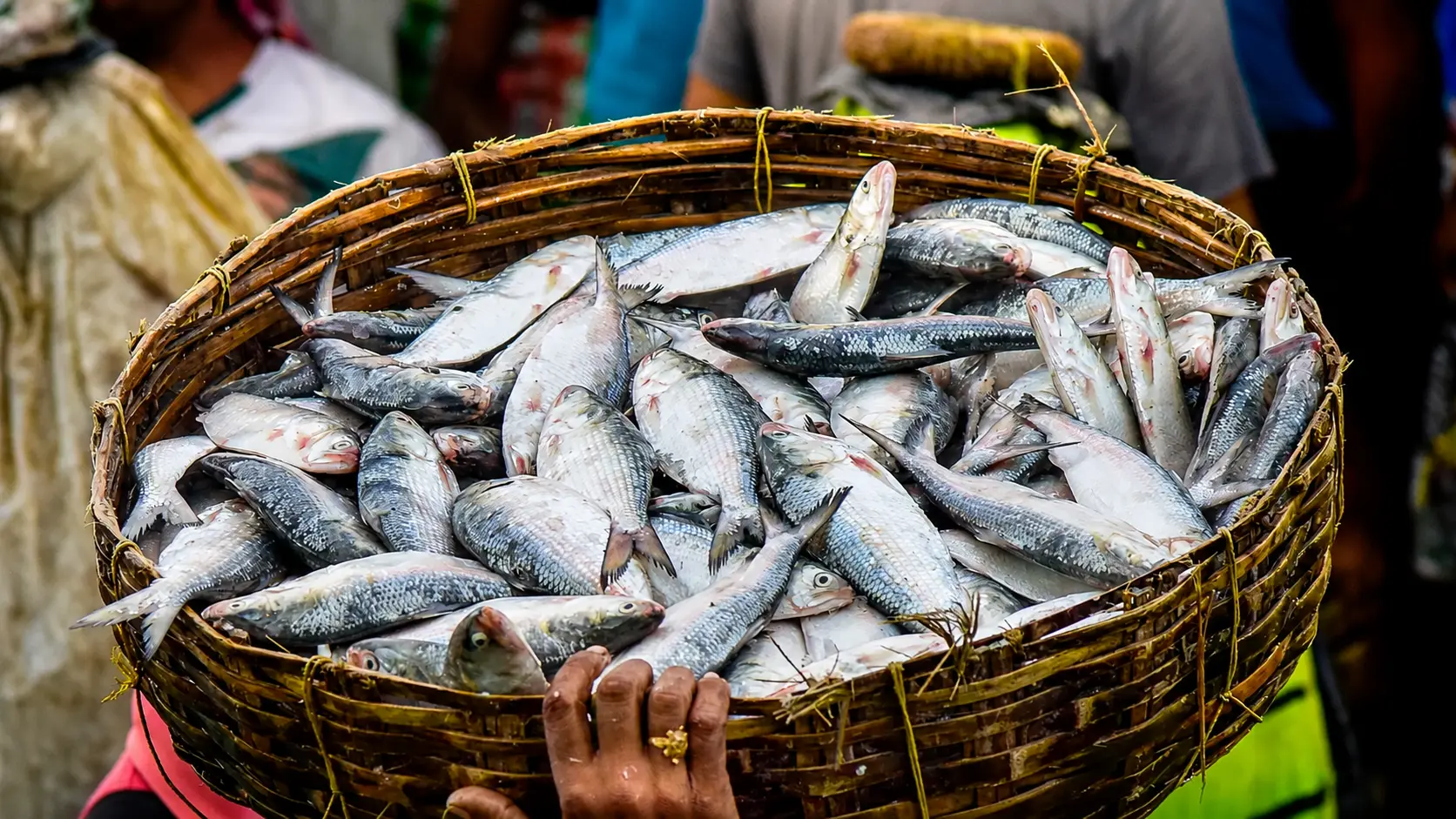
The Bihar government has issued a public health warning after reports of unfamiliar and unusual fish being carried into parts of the state by floodwaters originating from Nepal. The advisory asks people to stay away from unknown fish caught in floodwater and not to bring them into the food market unless their identity and safety have been verified by the relevant authorities. The warning comes as the Nepal floods continue to create a major humanitarian and environmental crisis. The catastrophic disaster has killed at least 1,050 people in Nepal, while nearly 4,000 people are still reported missing, according to the latest information from Nepalese authorities.
Why Bihar has issued the fish advisory
According to the Bihar government's fisheries and animal resources authorities, fish swept along by floodwater may have been exposed to heavily contaminated surroundings. Floodwater can carry sewage, waste, chemicals, dead animals and other pollutants. Fish moving through such water may therefore come into contact with disease-causing microorganisms. Authorities are particularly concerned about fish whose species, origin and condition cannot be established. The administration has therefore urged people not to assume that every fish found in floodwater is safe to eat simply because it looks like a familiar species. The advisory is also aimed at preventing potentially contaminated fish from entering local markets.
What Bihar residents should do
Residents have been advised to exercise extra caution if they find unusual fish in flooded areas or water bodies. The government has specifically asked people to:
- Avoid eating fish that looks unfamiliar or unusual.
- Do not purchase fish caught directly from floodwater.
- Do not sell or distribute unidentified fish in local markets.
- Seek confirmation from the concerned fisheries officials before considering unfamiliar fish safe for consumption.
- Inform local authorities if unusual fish are discovered.
- Seek medical attention if illness develops after eating potentially contaminated fish.
People who experience symptoms such as vomiting, diarrhoea, abdominal pain, dizziness or breathing difficulties after consuming questionable fish should seek medical assistance promptly. The authorities have also urged residents not to spread unverified claims or rumours about the fish.
Floodwater can create serious food-safety risks
The warning is not simply about whether a fish species is unfamiliar. Flooding itself can significantly alter the safety of food obtained from affected water bodies. When rivers overflow, water can move through agricultural land, drainage systems, residential areas, waste sites and other contaminated locations. Aquatic animals caught in such conditions may consequently be exposed to substances that are not normally present in their habitat. For consumers, determining whether a fish has been exposed to contamination is difficult simply by looking at its appearance. That is why authorities are recommending that people avoid unidentified fish until officials can establish their species and assess the situation.
Nepal floods put downstream areas on alert
The Bihar advisory comes against the backdrop of one of the region's most devastating recent natural disasters. The Nepal flash floods began after a catastrophic ice and rock collapse in the Himalayan region triggered an enormous surge of water downstream. Communities were hit by powerful floodwaters and debris, damaging roads, bridges, homes and major infrastructure. The disaster has also severely affected hydropower facilities. Rescue teams have been working to locate workers believed to be trapped inside tunnels at several hydropower projects. According to Reuters, more than 11,000 people have been rescued, while specialised teams from India, China and other countries are assisting with difficult rescue operations.
Thousands still missing in Nepal
The humanitarian situation remains critical. Nearly 4,000 people are still missing, while authorities continue recovering bodies from areas affected by the floods. Hospitals have also faced difficulties dealing with unidentified victims, with severe decomposition and partial remains making identification particularly challenging. The scale of destruction has also made transportation and communication difficult in several affected regions. Fresh flood alerts have been issued in parts of Nepal as authorities continue monitoring river levels and warning communities living close to waterways.
Bihar residents urged to remain cautious
For people in Bihar, officials are stressing prevention rather than panic. Residents should avoid catching fish from floodwater and should not purchase unusual fish from informal sellers simply because they appear inexpensive or different from commonly available varieties. The safest approach is to rely on fish obtained through established and verified sources until the flood situation improves. The latest warning also highlights a broader concern following major flooding: food and water safety can remain a serious public-health issue even after floodwaters begin to recede.
Authorities are therefore encouraging residents to follow official advisories and report anything unusual to local officials rather than experimenting with unidentified fish. As rescue and relief operations continue in Nepal, the effects of the disaster are being felt beyond the immediate flood-hit areas. For Bihar, the focus is now on preventing potentially contaminated food from reaching consumers and keeping residents informed as the situation develops.
For now, the message from Bihar authorities is straightforward: if a fish is unfamiliar, appears unusual or has been caught from floodwater, do not eat it, buy it or sell it until its safety has been confirmed.