Home / india / Supreme Court’s Landmark Decision: LMV Licence H
Supreme Court’s Landmark Decision: LMV Licence H
By: My India Times
4 minutes read 112Updated At: 2024-11-06

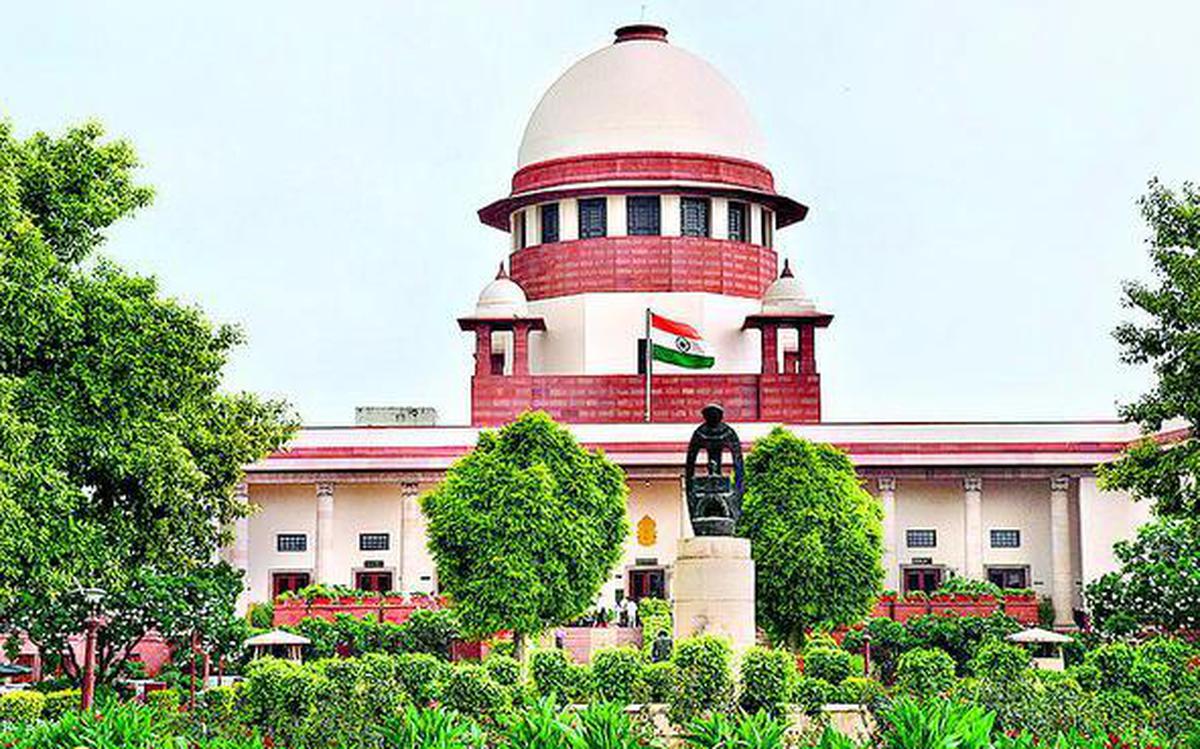
In a significant legal development, the Supreme Court of India, on November 6, 2024, delivered a ruling that has far-reaching implications for commercial vehicle drivers and insurance companies alike. The five-judge Constitution Bench, headed by Chief Justice D.Y. Chandrachud, held that individuals holding a Light Motor Vehicle (LMV) driving licence are now legally entitled to operate transport vehicles with an unladen weight of up to 7,500 kg. This ruling comes as a much-needed relief for thousands of commercial drivers who had been facing legal hurdles in driving larger transport vehicles due to licensing restrictions.
The Supreme Court’s decision serves as a turning point in the ongoing legal battle surrounding the issuance of driving licences and the liabilities of insurance companies in cases involving accidents with transport vehicles.
The Case and Its Impact on Drivers
The verdict addresses a long-standing issue wherein commercial vehicle drivers, holding only an LMV licence, were previously restricted from operating vehicles exceeding certain weight limits. This limitation has had profound implications for drivers, particularly in the freight and logistics sectors, where the flexibility to drive various types of transport vehicles is essential for daily operations.
According to the ruling, the legal entitlement now permits LMV licence holders to operate transport vehicles with an unladen weight up to 7,500 kg, effectively broadening the scope of their driving qualifications. This change is especially important for drivers who have spent years behind the wheel of light motor vehicles and have the experience needed to handle heavier vehicles but lacked the formal training required for a separate commercial vehicle licence.
A Setback for Insurance Companies
The decision also brings a new wave of challenges for insurance companies. For years, insurers had rejected claims made in accident cases involving transport vehicles operated by LMV-licensed drivers, citing the lack of appropriate driving authorisation. However, the Supreme Court has now clarified that the lack of additional certification for transport vehicles is not grounds for denying claims.
Justice Hrishikesh Roy, who authored the unanimous verdict, pointed out that there is no empirical data to support the claim that LMV-licensed drivers are more prone to causing accidents with larger vehicles. The Court noted that the arguments from insurance companies were based on technicalities, and that drivers who hold LMV licences are often the most experienced, spending maximum time on the roads.
The ruling underscores the Court's position that grievances arising from such technical restrictions cannot be dismissed lightly, particularly when no conclusive evidence exists to prove a direct link between licence types and accident rates.
The Legal and Regulatory Context
The Court’s decision also highlights the need for regulatory clarity in the realm of motor vehicle licensing. During the hearings, Attorney General R. Venkataramani submitted that consultations regarding amendments to the Motor Vehicles (MV) Act, 1988, were nearly complete. The Supreme Court has now urged the Centre to expedite the process of amending the MV Act, ensuring that the legal framework around driving licences keeps pace with evolving transport industry practices.
The ruling has been hailed as a progressive step, particularly for the logistics sector, where operational flexibility is crucial. However, the Court also emphasized the need for more comprehensive legislation to ensure that the issue of insurance claims, particularly involving LMV drivers operating transport vehicles, is adequately addressed.
What This Means for the Future
This ruling is likely to have a ripple effect on the transport sector, impacting not only commercial vehicle drivers and insurance companies but also the broader regulatory landscape. The Supreme Court has made it clear that it intends for the law to reflect the practical realities of modern-day driving, where many drivers are qualified and capable of handling vehicles across different weight categories without needing separate licences.
For drivers, this ruling provides much-needed clarity, allowing them to drive transport vehicles within the stipulated weight limit without fearing legal consequences. The decision also underscores the importance of recognising practical experience, especially in a sector where skilled drivers are the backbone of operations.
On the other hand, the decision puts a spotlight on the need for insurance companies to adjust their practices and ensure that they comply with the Court’s ruling. With the legal framework shifting, insurers will now be required to reevaluate their policies and adopt a more balanced approach when dealing with claims involving LMV-licensed drivers operating transport vehicles.
A Call for Further Legal Reform
While the Supreme Court’s decision has provided immediate relief, it has also raised questions about the broader legal and regulatory environment. The need for updates to the Motor Vehicles Act and a clearer framework for driver qualifications in the evolving transportation sector is now more pressing than ever.
The Court has encouraged the Centre to finalize the amendments to the MV Act, which would address the complexities surrounding licences for different types of vehicles. By streamlining the regulations, the government can help reduce ambiguities in the law and ensure a safer, more efficient transport system across the country.
....By: My India Times
Updated At: 2024-11-06
Tags: india News | My India Times News | Trending News | Travel News
Join our WhatsApp Channel



.webp)


.webp)









































































.png)
 (1).png)