.webp)
Home / Premium / Iran Set for Major Economic Boost Under Proposed US Deal: Sanctions Relief, Asset Release and $300 Billion Development Plan Explained
Iran Set for Major Economic Boost Under Proposed US Deal: Sanctions Relief, Asset Release and $300 Billion Development Plan Explained
By: My India Times
5 minutes read 2Updated At: 2026-06-17
 Premium
Landmark Agreement Could Reshape Iran’s Economic Future
A proposed agreement between the United States and Iran is drawing global attention not only for its diplomatic significance but also for the massive economic benefits it could unlock for TehranAccording to details emerging from a draft memorandum expected to be formally signed in Switzerland on June 19, Iran could gain access to billions of dollars through sanctions relief, the unfreezing of overseas assets, expanded oil exports, and a long-term economic development initiative valued at up to 0 billion.
If implemented, the agreement could mark one of the most significant shifts in US-Iran relations in decades.
What the Draft Agreement Proposes
According to reports, the proposed framework lays out a thorough plan to put an end to regional conflicts and establish long-term stability and economic cooperation.
The proposal's pledge by the US and its regional allies to assist Iran's rehabilitation and economic expansion through a massive development program is among its most noteworthy features.
According to reports, the proposal will finance at least $0 billion for modernization, industrial growth, infrastructure, and more extensive economic rehabilitation initiatives throughout Iran.
The idea, according to those participating in the talks, is a long-term investment strategy intended to promote stability and economic recovery.
$300 Billion Development Initiative
The proposed development package stands out as the largest financial component of the agreement.As part of the framework, the United States would collaborate with regional partners to design and finance initiatives aimed at bolstering Iran's economy in the upcoming years.
The initiative is expected to focus on sectors such as transportation, energy, manufacturing, technology, healthcare, and public infrastructure.Analysts believe that such an investment program could significantly accelerate economic growth if fully implemented.
Sanctions Could Be Gradually Removed
The lifting of sanctions that have negatively impacted Iran's economy for many years is another significant clause in the draft accord. According to reports, the proposal asks for steps to ease constraints associated with international organizations and regulatory authorities, as well as the gradual elimination of sanctions imposed by the United States. Iran's capacity to do business internationally, draw in foreign investment, and freely engage in international financial markets has been hampered for years by sanctions.
Their removal could open new opportunities for trade, banking, investment, and international partnerships.
Oil Exports Set for Immediate Relief
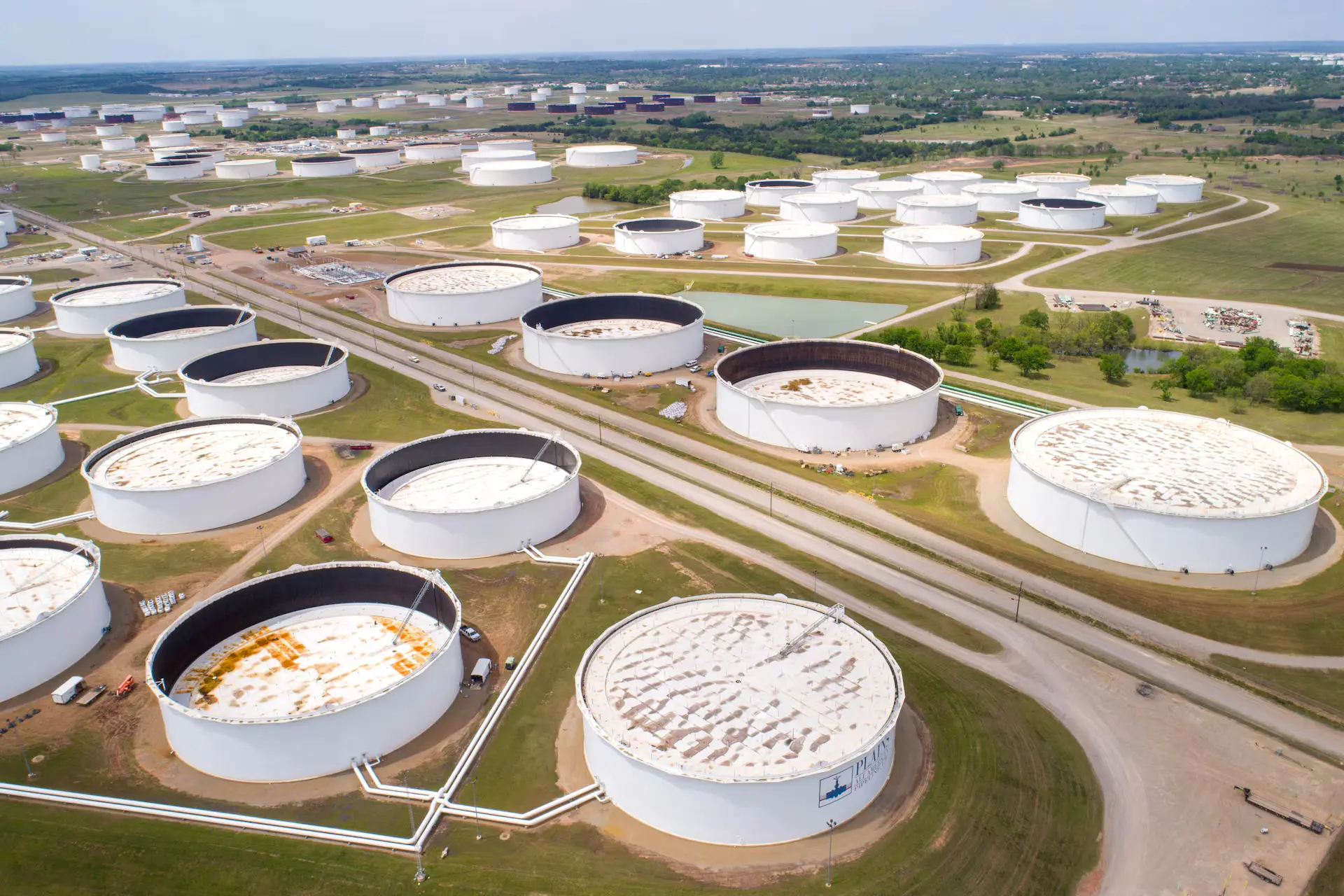
Iran’s energy sector could be among the first beneficiaries of the agreement. According to reports, the US Treasury Department would issue temporary waivers allowing Iran to resume broader exports of crude oil, petrochemical products, and related goods during an initial negotiation period. The waivers would also extend to associated services such as shipping, insurance, transportation, and financial transactions. Oil exports remain one of Iran’s most important sources of revenue, making this provision particularly significant for the country’s economic recovery.
Access to Frozen Assets
The draft framework also includes provisions concerning Iranian assets that have been frozen or restricted in various jurisdictions around the world. These funds, which have accumulated over decades of sanctions and diplomatic disputes, could gradually become accessible as negotiations progress and agreed conditions are met. Estimates of Iran’s frozen assets vary considerably, with analysts placing the figure anywhere between tens of billions and more than $100 billion globally. The release of even a portion of these funds could provide a substantial boost to Iran’s foreign exchange reserves and economic stability.
Who Will Fund the Development Program?
Questions have emerged regarding how a development package worth $300 billion would be financed. Reports suggest that several regional partners, including Gulf nations, could play a significant role in supporting investment and development initiatives. In addition, private-sector investors and international financial institutions may also be encouraged to participate in future projects tied to the agreement. Officials have indicated that the funding would not come directly from American taxpayers but would instead involve a combination of international investment mechanisms and regional cooperation.
Conditions Attached to the Benefits
While the financial incentives appear substantial, officials stress that access to these benefits would depend on Iran meeting specific commitments outlined in the agreement.The proposed framework reportedly links economic incentives to compliance with nuclear-related obligations, transparency measures, and broader regional security commitments. According to officials familiar with the discussions, the agreement is structured around a performance-based model, meaning progress on economic benefits would be tied to Iran fulfilling its responsibilities under the deal.
Critics Draw Comparisons to Earlier Nuclear Agreements
The emerging framework has already sparked debate among political observers and policy experts.
Some critics argue that the proposal resembles previous diplomatic efforts aimed at resolving tensions with Iran, particularly agreements negotiated during earlier administrations.
Supporters, however, contend that the new framework contains stronger verification mechanisms and places greater emphasis on measurable compliance before major economic benefits are granted.
The debate is expected to intensify as more details of the final agreement become public.
A Potential Turning Point for the Region
If finalized and successfully implemented, the agreement could have far-reaching consequences for both Iran and the broader Middle East. Beyond easing economic pressures on Tehran, supporters believe the deal could reduce regional tensions, improve trade opportunities, and create new channels for diplomatic engagement. For Iran, the combination of sanctions relief, renewed oil revenues, access to frozen assets, and a potential $300 billion development initiative could represent one of the largest economic opportunities in its modern history. Whether the agreement ultimately delivers on those promises will depend on future negotiations, compliance measures, and the willingness of all parties to follow through on their commitments.
....For evolved readers seeking more than just news
Subscribe now to unlock this article and access exclusive content to stay ahead
E-paper | Expert Analysis & Opinion | Business Events | Tender Information | Bigbull Portfolio
Subscribe NowBy: My India Times
Updated At: 2026-06-17
Tags: Premium News | My India Times News | Trending News | Travel News
Join our WhatsApp Channel






















































.png)
 (1).png)