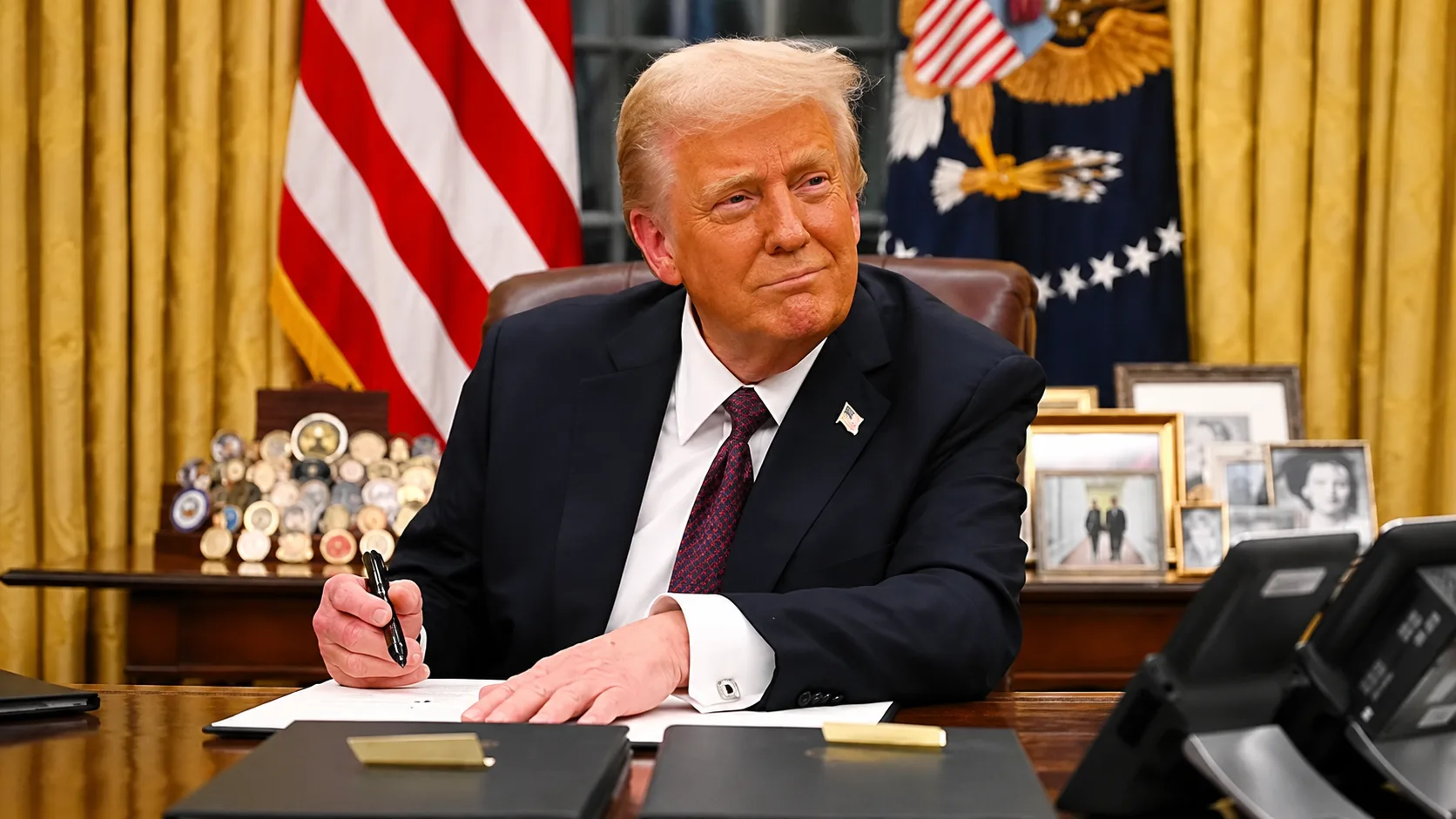
US President Donald Trump has claimed that the United States was fully prepared to launch what he described as the largest military attack since World War II against Iran. However, as diplomatic efforts gained traction and numerous Gulf countries encouraged Washington to give discussions a chance, the operation was abruptly canceled. Speaking to reporters on Air Force One, Trump stated that although the military operation was prepared to proceed, it was eventually put on hold because there seemed to be a viable route for a more comprehensive deal with Iran. The Middle East continues to be one of the world's most delicate geopolitical flashpoints, and the declaration coincides with increased tensions between Washington and Tehran.
'It Would Have Been the Biggest Attack Since World War II'
Trump highlighted the scope of the proposed operation during his interview with journalists, claiming it would have outnumbered all US military strikes since the end of World War II. According to him, preparations had reached the final stage, and the attack was close to being executed before the decision was reversed. Trump stated that diplomacy had a greater chance to lower tensions without starting another major regional crisis, even while military force was still a possibility.
Gulf Allies Urged the US to Hold Fire
Trump revealed that Saudi Arabia, the United Arab Emirates (UAE), Qatar, and even Iran requested that the United States refrain from launching the planned strikes. The US president stated that these nations thought delaying military action could foster the ideal conditions for substantive talks. According to reports, the Gulf governments voiced worries that a significant confrontation including Iran may undermine regional security, destabilize the whole Middle East, and interfere with international oil markets. Their intervention, Trump said, played an important role in Washington's decision to pause military action.
Hope for a Strait of Hormuz Agreement
Trump also pointed to the possibility of an agreement involving the Strait of Hormuz, one of the world's most strategically important maritime routes. The narrow waterway carries a significant share of the world's oil exports, making it critical for international energy supplies. Any disturbance in the Strait of Hormuz might cause oil prices to skyrocket and have an impact on economies all across the world. Trump indicated that discussions surrounding the waterway were progressing positively and could help ease regional tensions.
Iran's Nuclear Programme Also Part of Discussions
In addition to the Strait of Hormuz, Trump said negotiations could eventually lead to an agreement on Iran's nuclear programme. The United States has long argued that Iran must not be allowed to develop nuclear weapons, while Tehran maintains that its nuclear activities are intended solely for peaceful civilian purposes. A diplomatic breakthrough on the nuclear issue would mark a significant development after years of strained relations, sanctions, and stalled negotiations between the two countries.
Military Strength Paired with Diplomacy
Political analysts believe Trump's remarks reflect a strategy that combines military pressure with diplomatic engagement. On one hand, the comments reinforce the message that the United States possesses the capability to launch overwhelming military action if necessary. On the other, they suggest that Washington remains willing to pursue negotiations when there is a credible opportunity for a peaceful resolution. This approach has often been used in US foreign policy, where military readiness is maintained while leaving the door open for diplomacy.
Regional Stability Remains the Key Goal
Any escalation between the United States and Iran could have far-reaching consequences across the Middle East. A major conflict would not only threaten regional security but could also disrupt global oil supplies, international shipping, and financial markets. By choosing diplomacy over immediate military action, the US appears to be seeking a solution that reduces the risk of a wider regional crisis while keeping pressure on Iran. However, analysts caution that deep mistrust between Washington and Tehran means that reaching a comprehensive agreement will remain a complex challenge.
What Happens Next?
Attention is now focused on whether diplomatic talks will produce concrete outcomes, particularly regarding the Strait of Hormuz and Iran's nuclear programme. If negotiations succeed, they could significantly improve regional stability and reduce the likelihood of future military confrontation. At the same time, Trump's remarks indicate that the military option has not been removed entirely and could return if diplomatic efforts fail.