Hamas Agrees to Gaza Disarmament Framework as Gaza Ceasefire Negotiations Gain Momentum
A major diplomatic breakthrough may have emerged in the long-running Israel-Gaza conflict after Hamas and several Palestinian factions reportedly agreed to a Gaza disarmament framework linked to a broader ceasefire and post-war reconstruction plan. The plan calls for a gradual transfer of weapons to a Palestinian National Committee under the supervision of foreign observers. If carried out properly, the claimed development could rank among the most important turning points in attempts to pacify Gaza following months of terrible fighting. However, the agreement remains conditional on several critical commitments, including Israel's withdrawal from Gaza, reconstruction efforts, and international guarantees. The proposal has generated cautious optimism among mediators, while Israeli authorities have not yet issued an official response.
What Is the Hamas Gaza Disarmament Agreement?
A framework that lays the groundwork for the progressive management of weaponry inside Gaza under an internationally monitored procedure has reportedly been adopted by Hamas and other Palestinian organizations.
Rather than calling for immediate surrender of weapons, the agreement proposes a structured roadmap that includes:
- Preparation of a detailed disarmament plan within two weeks.
- Oversight by an international verification mechanism.
- Administration of weapons through a Palestinian National Committee.
- Coordination with an International Stabilisation Force.
- Gradual implementation linked to security developments on the ground.
The plan aims to lessen armed activity within the Gaza Strip while striking a balance between international oversight and Palestinian internal administration.
Disarmament Linked to Israeli Withdrawal
One of the most significant elements of the framework is that Hamas has tied any disarmament process directly to Israeli military withdrawal from Gaza. Hamas representatives reportedly stated that implementation would only proceed if Israel fulfills its obligations under the broader ceasefire arrangement.
According to officials involved in negotiations, several conditions remain central to the agreement:
- Complete Israeli military withdrawal from designated areas.
- Safe delivery of humanitarian aid.
- Beginning of Gaza reconstruction.
- International guarantees for implementation.
- Respect for all phases of the ceasefire.
Without these commitments, Palestinian negotiators have indicated that the agreement would not move forward.
International Oversight Planned
The proposed roadmap introduces a new governance structure intended to oversee security during Gaza's transition period.
Under the framework:
- A National Committee would become responsible for managing weapons inventories.
- An International Stabilisation Force would monitor implementation and maintain stability.
- An international verification committee would supervise compliance by all parties.
- Palestinian factions would participate throughout the process.
The agreement reportedly specifies that weapons would remain under Palestinian custody through the National Committee rather than being transferred directly to Israeli forces. This provision appears designed to address longstanding concerns among Palestinian factions regarding sovereignty and security.
How the Weapons Process Would Work
Unlike traditional disarmament agreements that require immediate surrender of arms, the proposed framework follows a phased approach.
The process would reportedly include:
Phase One
Authorities begin documenting and registering weapons across Gaza.
Phase Two
Heavy military equipment would gradually be placed into secure storage under the supervision of the National Committee.
Phase Three
Military operations by armed factions would progressively cease as security arrangements expand.
Officials involved in negotiations acknowledge that this process would likely take considerable time rather than occurring immediately.
Donald Trump Calls Agreement a Major Breakthrough
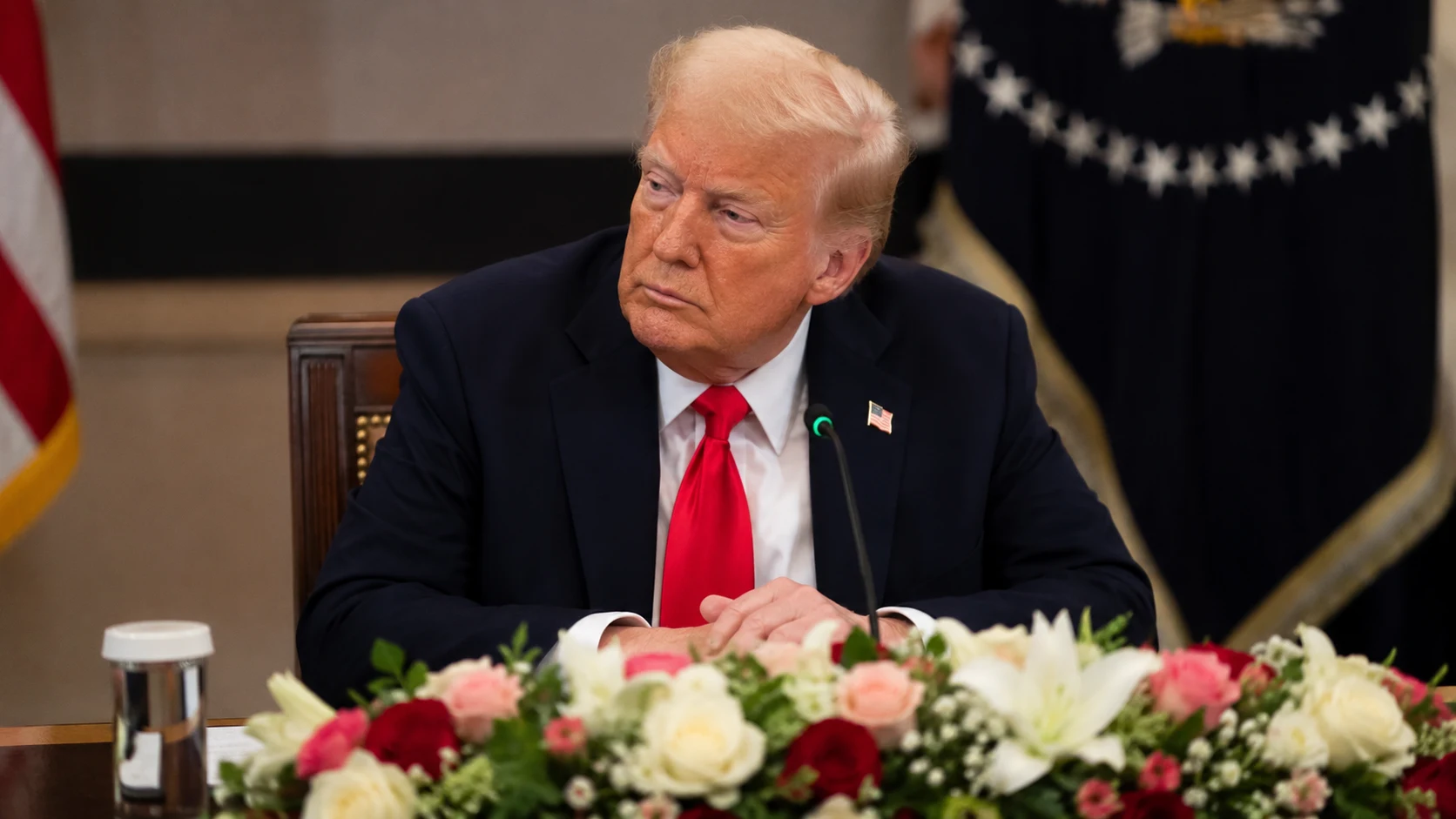
US President Donald Trump described the reported agreement as an important diplomatic achievement. According to public statements, Trump argued that the framework could help establish a new governing authority in Gaza while addressing Israeli security concerns.
He stated that once the agreed conditions are fulfilled:
- Gaza would be administered by a new Palestinian governing structure.
- International peace and stabilization forces would support security.
- Israeli military forces would eventually withdraw.
- Armed groups would end military operations.
The proposal has been presented as part of a broader vision for post-war governance in Gaza.
Mediation Efforts Continue in Cairo
Negotiations have been taking place in Cairo with mediation from several regional countries.
Diplomatic sources say representatives from:
- Egypt
- Qatar
- Türkiye
- United States
have continued discussions aimed at moving the ceasefire process into its next phase.
The talks reportedly focus on:
- Security arrangements
- Humanitarian access
- Prisoner exchanges
- Reconstruction planning
- Long-term governance
Egypt is expected to host additional meetings involving all major stakeholders as negotiations continue.
Not All Palestinian Groups Are Fully Aligned
Although Hamas reportedly approved the proposed framework, complete unity among Palestinian factions has not yet been achieved.
Palestinian Islamic Jihad has reportedly expressed reservations regarding portions of the language used in the agreement.
Officials from the group have suggested that some reports overstated the level of consensus among all factions.
These differences indicate that further negotiations may be necessary before any agreement can be fully implemented.
Gaza Governance Could Undergo Major Changes
Another important aspect of the proposal involves governance inside Gaza after the conflict. Earlier this month, Hamas announced the dissolution of the administrative body that had governed Gaza for many years.Under the latest proposal, a new technocratic Palestinian administration would gradually assume responsibility for:
- Civil governance
- Public administration
- Basic services
- Security coordination
- Reconstruction management
International partners would assist during the transition period until permanent governing institutions become operational.
Reconstruction Remains a Key Priority
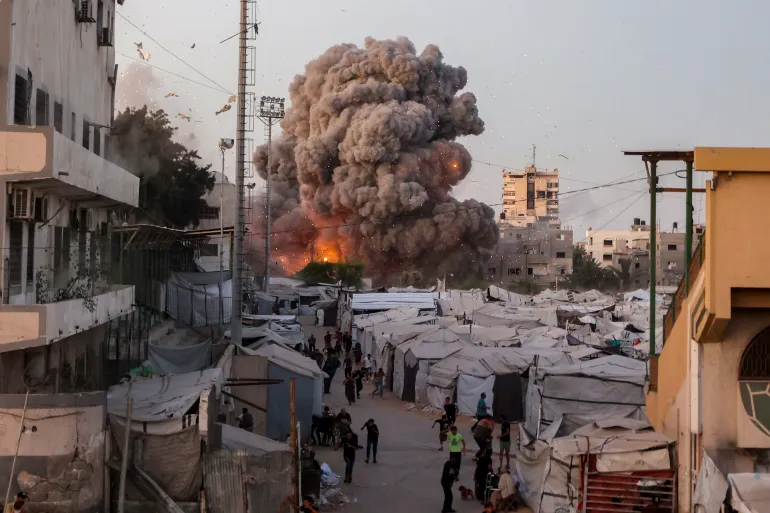
Large portions of Gaza's infrastructure have suffered severe damage during the conflict. The proposed roadmap links security arrangements with reconstruction efforts, recognizing that long-term stability depends heavily on rebuilding civilian infrastructure.
Priority reconstruction areas include:
- Residential housing
- Hospitals
- Schools
- Water systems
- Electricity networks
- Roads
- Public facilities
International financial assistance is expected to play an essential role in supporting these projects if political agreements move forward.
Challenges Still Remain
Despite positive signals from negotiators, several major obstacles continue to stand in the way of implementation.
Among the biggest challenges are:
Israeli Approval
Israel has not officially confirmed acceptance of the reported framework.
Verification Mechanisms
International observers must agree on practical methods for monitoring compliance.
Security Guarantees
Both Israelis and Palestinians continue to seek assurances regarding future security arrangements.
Political Consensus
Differences among Palestinian factions could complicate implementation.
Long-Term Governance
Questions remain regarding the structure, leadership, and legitimacy of any future governing authority in Gaza.
International Community Watching Closely
Governments across the Middle East and beyond are closely monitoring developments.
Many international observers believe that successful implementation could:
- Reduce violence.
- Improve humanitarian conditions.
- Accelerate reconstruction.
- Create opportunities for renewed diplomatic negotiations.
- Lay groundwork for broader regional stability.
However, diplomats caution that numerous ceasefire agreements in the past have encountered serious implementation challenges.
What Happens Next?
Negotiators are expected to continue refining the framework over the coming weeks.If all parties formally approve the roadmap, the next steps would likely include:
- Formation of the National Committee.
- Deployment of international stabilization personnel.
- Launch of humanitarian reconstruction programs.
- Gradual implementation of weapons management.
- Progressive Israeli military withdrawal under agreed timelines.
- Establishment of a new Palestinian administrative authority.
Each phase will depend on successful implementation of previous commitments and continued international mediation.
The reported Hamas Gaza Disarmament Agreement represents one of the most ambitious diplomatic efforts since the latest Gaza conflict began. By linking disarmament with Israeli withdrawal, international monitoring, humanitarian reconstruction, and new governance arrangements, negotiators are attempting to create a comprehensive framework rather than a temporary ceasefire alone.
While significant political and security challenges remain, the coming weeks will determine whether this proposed roadmap evolves into a lasting agreement or joins previous peace initiatives that struggled during implementation. With multiple regional and international stakeholders involved, the outcome could have far-reaching implications for Gaza, Israel, and the broader Middle East.