.webp)
Home / delhi / Delhi Tree Felling Controversy: Lt Governor & Civi
Delhi Tree Felling Controversy: Lt Governor & Civi
By: My India Times
5 minutes read 200Updated At: 2024-11-06
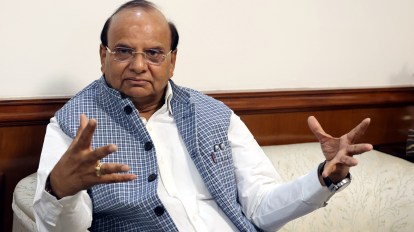
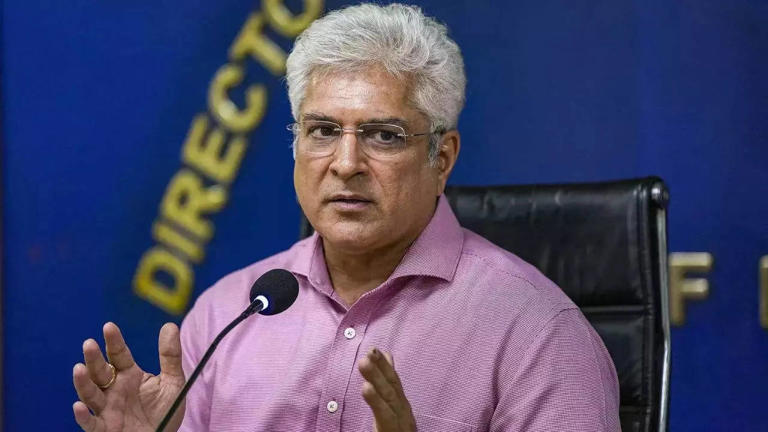
In a dramatic turn of events surrounding the controversial tree felling in Delhi’s Ridge area, the city’s Lieutenant Governor (LG) VK Saxena and the Delhi Development Authority (DDA) have now come together on the same page, offering a clearer explanation to the Supreme Court amid the ongoing legal battle.
On Monday, LG Saxena clarified his stance in a Supreme Court affidavit, shedding light on the sequence of events surrounding the felling of over 600 trees in a vital green space. According to Saxena, he was initially informed "verbally" about the felling in April. However, the magnitude of the issue only became fully apparent in June, when it was revealed that the felling had started as early as February.
This clarification followed a series of conflicting statements made by the Lieutenant Governor and DDA officials, which had raised alarms within the court. The issue stemmed from the inconsistency between Saxena’s affidavit, which stated that he first received formal notice of the tree felling on June 10, and earlier communications that seemed to suggest awareness before April 12.
The felling of trees in the Ridge area, a crucial environmental zone in the city, had ignited widespread outrage from environmental groups and citizens alike. Many voiced concerns about the destruction of trees in a region known for its biodiversity and role in maintaining the ecological balance of the national capital.
The Timeline of Events: Contradictory Claims, Rising Tensions
The crux of the matter lies in the timing of when officials truly became aware of the felling of trees, and the conflicting reports surrounding the incident. The Supreme Court had raised questions about why Saxena’s office was only apprised of the felling in June, despite claims from DDA officials that they had been made aware much earlier. The court also pointed out that a letter dated June 10 from the DDA vice chairman clearly indicated that Saxena had been informed about the tree-cutting operation before April 12.
In his affidavit, the Lieutenant Governor revealed that he had been verbally briefed by DDA vice chairman at a review meeting concerning the PM-UDAY scheme, held at the LG’s residence on April 12. During this meeting, he was alerted about the ongoing tree felling operation, but it wasn’t until June 10 that he learned the felling had actually started in February.
“While I was first informed verbally about the issue in April, I only received confirmation on June 10 regarding the actual commencement of the felling activities,†Saxena explained. He added that the decision to proceed with felling had been taken without his explicit authorization, and that DDA had failed to communicate the gravity of the situation until much later.
The DDA's Position: Growing Accountability Amid Legal Pressure
The confusion surrounding the timeline of the tree felling has only deepened after statements from the former DDA vice chairman, who also filed an affidavit in the case. According to him, he learned about the tree felling on March 18, when the Delhi High Court issued a contempt notice against him, prompting an immediate investigation into the matter.
The DDA’s chief engineer for the South Zone, along with his staff, conducted a site visit, revealing that 642 trees had already been felled by the time they were alerted. While Saxena’s clarification placed the felling's discovery in April, the vice chairman’s affidavit indicates that he had been made aware earlier but failed to act decisively.
This revelation has sparked fresh criticism from environmental activists and the petitioners involved in the case, who allege that DDA officials were fully aware of the tree felling, yet failed to take timely action to prevent it. During the court's previous hearing, Senior Advocate Gopal Sankaranarayanan, representing the petitioner, questioned the DDA’s apparent failure to monitor such a critical issue. Sankaranarayanan also pointed out the contradictory statements from Saxena and the vice chairman, stressing that, despite the LG’s claim of being informed in June, contempt notices had already been issued to DDA officials by May, making it clear that the felling was no secret by that point.
A Bitter Legal Battle: Who's to Blame for the Tree Felling?
The DDA’s shifting narrative has further complicated matters, with accusations of scapegoating being thrown at its officials. Sankaranarayanan, assisted by Advocate Vishal Sinha, suggested that the tree cutting was done "on their own accord" and that those responsible for the felling were now trying to shift blame. According to them, DDA and other authorities had been applying for tree-cutting permits for years, and they can no longer claim ignorance about the legality of their actions.
The court, already grappling with the question of accountability, is now tasked with determining the extent to which the DDA and its officials are responsible for the deforestation in the Ridge area. Should the authorities face legal consequences, it could have far-reaching implications for the governance of urban green spaces across the city.
Compensatory Afforestation: A Path to Environmental Restoration
Amid the legal wrangling, one positive step is the push for compensatory afforestation. Saxena has requested the court to drop contempt notices against DDA officials and instead focus on directing the authority to proceed with compensatory tree plantation efforts. This move aligns with his stance on mitigating the environmental damage caused by the felling of trees and ensuring that Delhi’s green cover is restored.
However, for many, the question remains: how can we ensure that such incidents of unauthorized tree cutting do not happen again? The incident has highlighted the urgent need for stronger governance mechanisms to protect urban ecosystems and ensure that ecological balance is maintained amid rapid urbanization.
A Turning Point for Delhi's Urban Green Spaces?
The tree felling controversy has become more than just a legal matter—it has raised critical questions about urban planning, environmental stewardship, and accountability. With the Ridge area being one of the few remaining natural habitats in Delhi, its destruction has deepened concerns about the loss of green spaces in the city.
As the case moves forward, Delhi’s residents, environmentalists, and the legal system will closely watch the outcome. The decisions made here could set an important precedent for how urban authorities manage and protect green spaces in the future. The ongoing controversy also underscores the growing demand for better communication and transparency in governance, especially when it comes to the environment.
For now, the focus shifts to the Supreme Court’s next steps. Will they uphold accountability for the officials involved, or will the matter be resolved with an emphasis on remediation and the restoration of Delhi’s green cover? Only time will tell.
....By: My India Times
Updated At: 2024-11-06
Tags: delhi News | My India Times News | Trending News | Travel News
Join our WhatsApp Channel


.webp)








































































.png)
 (1).png)