.webp)
Home / delhi / Delhi’s Air Quality Reaches ‘Severe’ Levels:
Delhi’s Air Quality Reaches ‘Severe’ Levels:
By: My India Times
5 minutes read 95Updated At: 2024-11-06
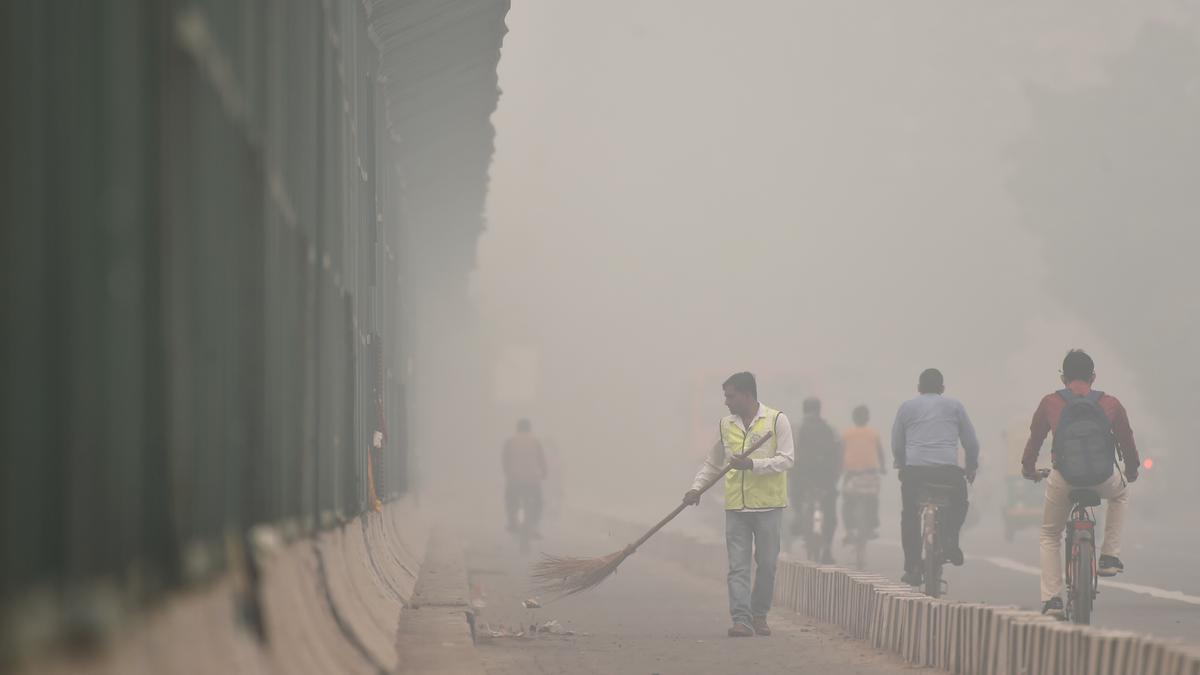
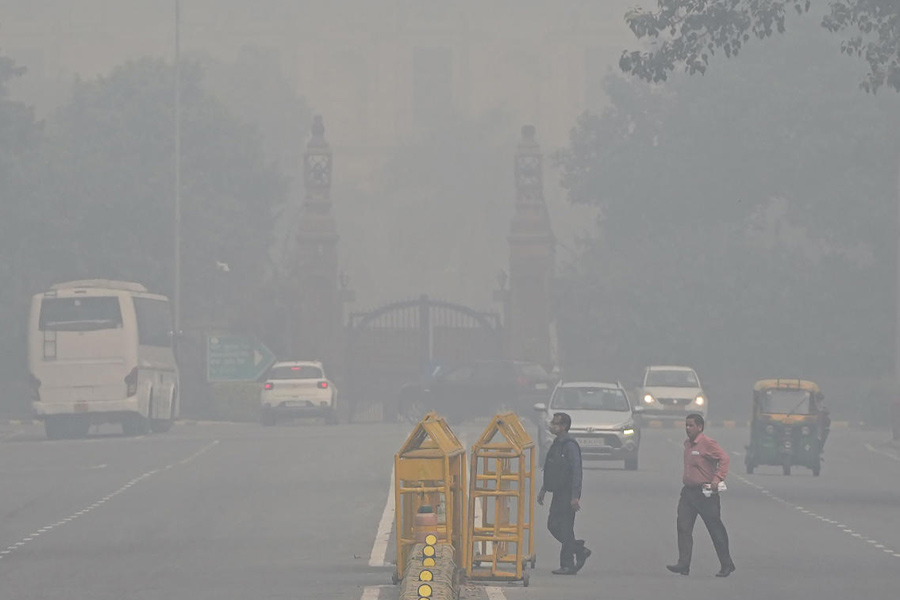
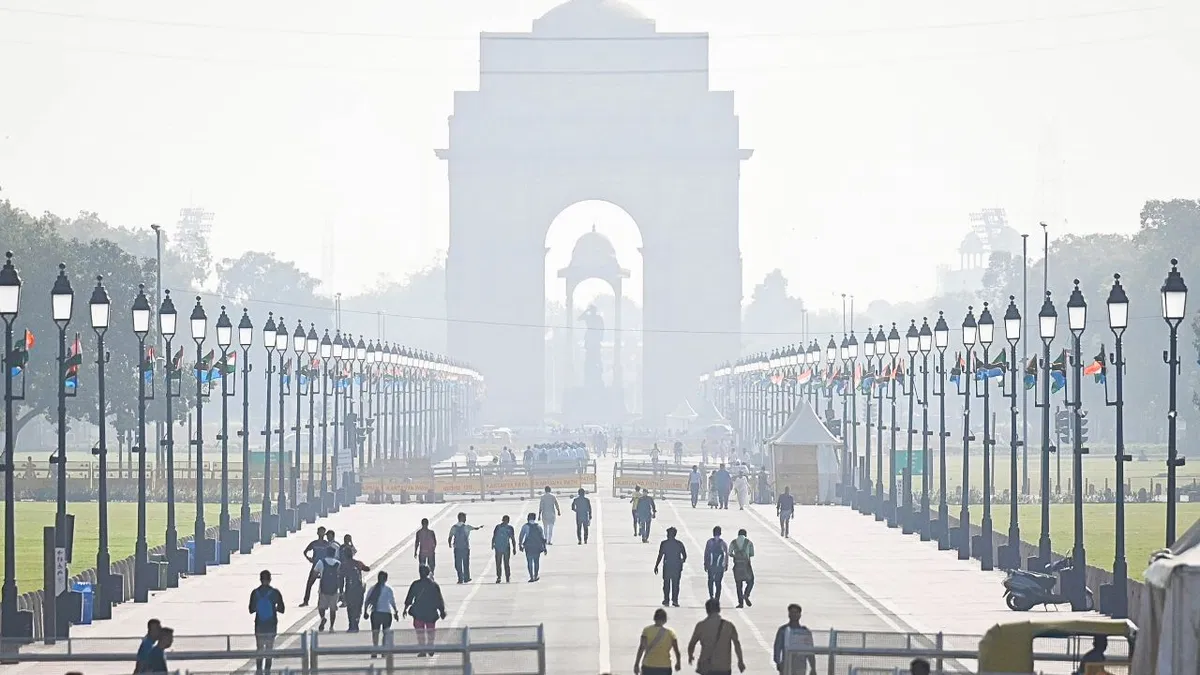
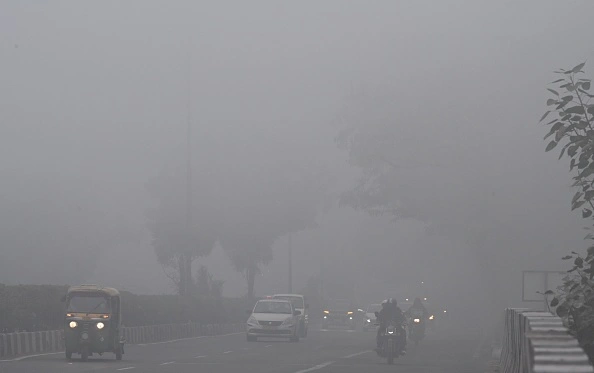
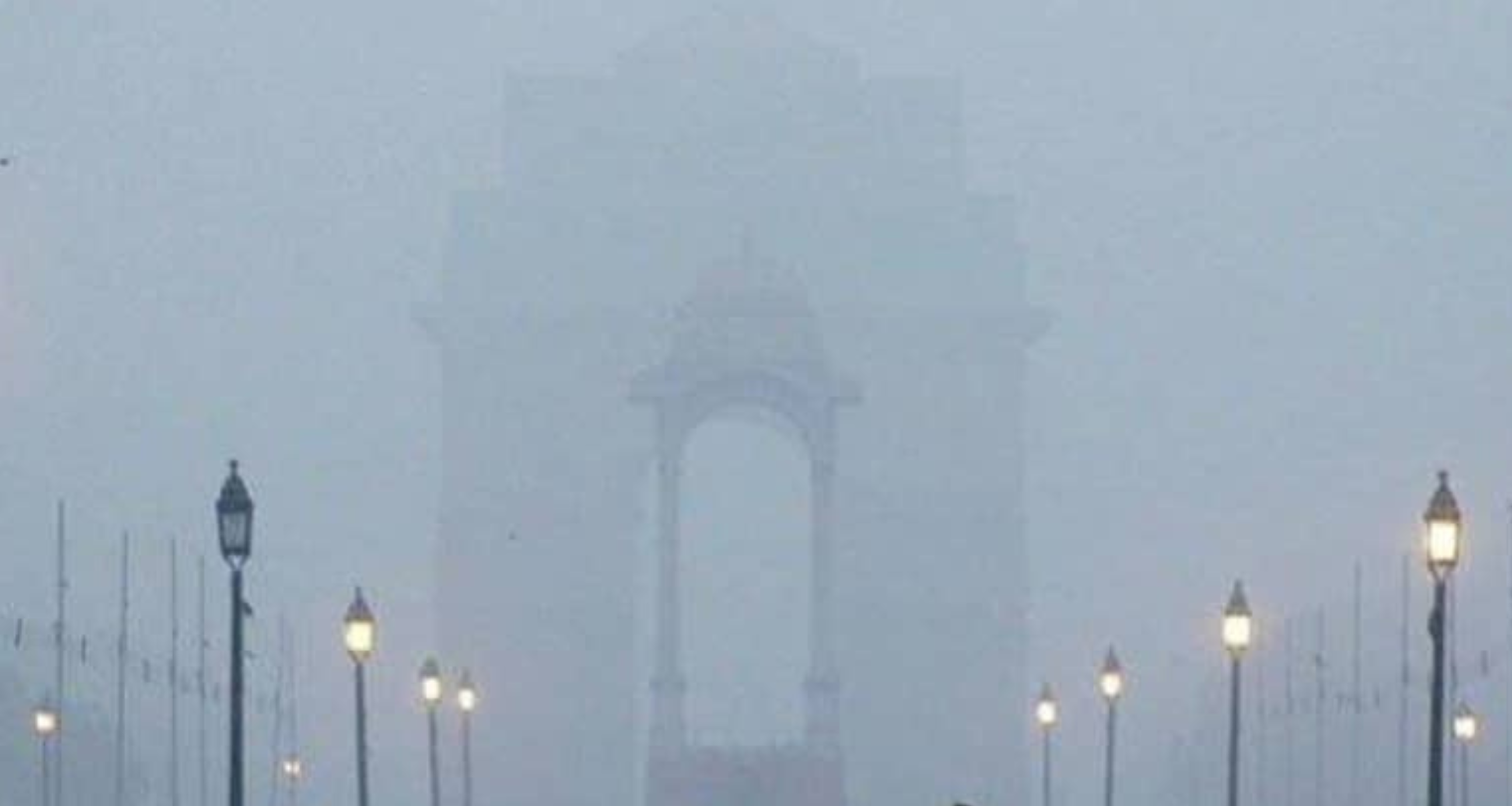
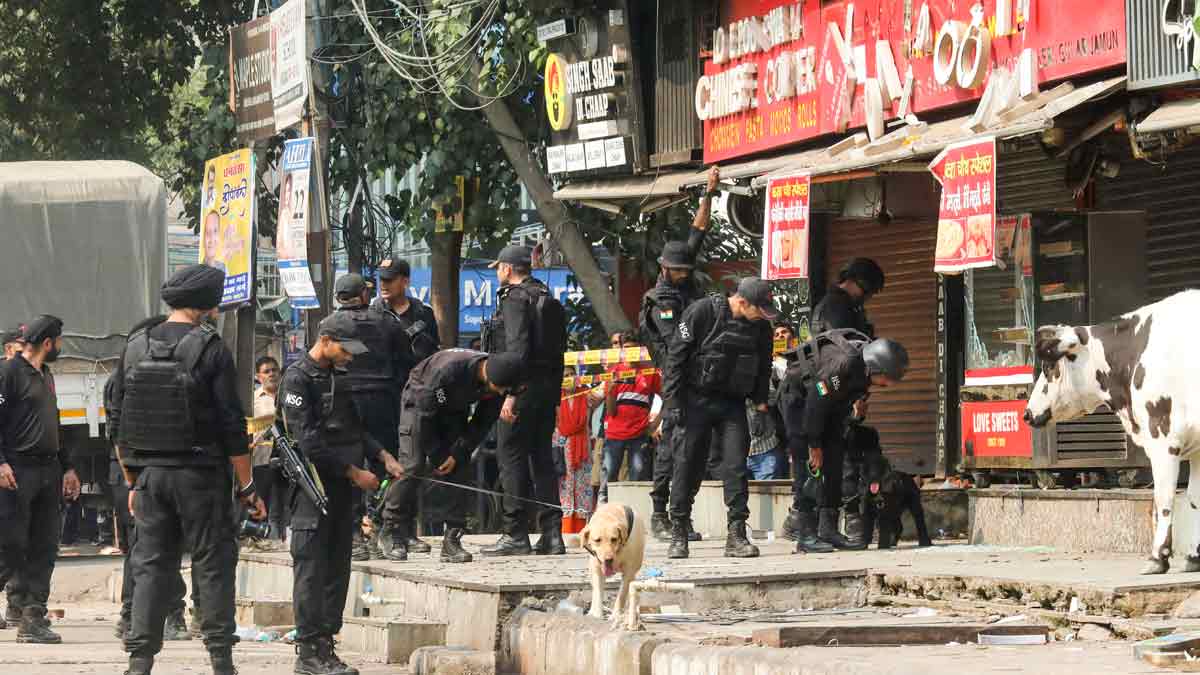
As Delhi grapples with an air quality crisis, the situation has worsened in the wake of Diwali celebrations. Despite a government ban on firecracker sales and use, pollution levels have spiked dramatically, sending the Air Quality Index (AQI) soaring beyond 400 in multiple parts of the city. This marks the beginning of a sharp deterioration in air quality that signals a dangerous shift into the "severe" category—posing significant health risks to residents.
While the aftermath of Diwali is partially to blame, there are deeper, more systemic contributors to the pollution crisis. The deteriorating air quality is the result of a complex mix of factors, each exacerbating the other, and there’s no single culprit. Experts warn that if left unchecked, Delhi’s air pollution could have far-reaching impacts on public health, the environment, and the economy.
Stubble Burning: A Persistent, Seasonal Foe
The phenomenon of stubble burning by farmers in neighboring states of Punjab, Haryana, and Uttar Pradesh remains a significant contributor to Delhi’s pollution woes. According to recent data from the Indian Institute of Tropical Meteorology (IITM), Pune, stubble burning was responsible for 23.4% of the pollution in Delhi on Monday, a sharp increase from 15% on Saturday and 20% on Sunday. The practice, which involves setting fire to crop residue after harvest, leads to the release of massive amounts of particulate matter (PM2.5) that quickly travels southward and infiltrates Delhi’s atmosphere.
Every year, as the harvest season peaks, stubble burning becomes a familiar but toxic occurrence. Despite government initiatives and subsidies to discourage this practice, farmers face significant financial pressures, and alternative methods of residue management remain inaccessible to many. The annual recurrence of stubble burning underlines the urgent need for a sustainable, long-term solution to tackle this issue, with experts advocating for improved farming technologies and government incentives for eco-friendly alternatives.
Vehicular Emissions: A Year-Round Problem with Seasonal Amplification
Another major source of Delhi's pollution is vehicular emissions, responsible for approximately 13.7% of the pollution levels on Monday. With offices and businesses reopening after the Diwali weekend, the city witnessed a spike in commuter traffic, further exacerbating pollution from vehicles. This problem has worsened in recent years due to the increasing number of vehicles on Delhi’s congested roads and the lack of robust public transport infrastructure.
Despite various efforts to introduce cleaner vehicles and improve public transport systems, vehicular emissions continue to be a persistent issue. The government's push for electric vehicles (EVs) may offer some relief in the future, but it remains unclear whether such efforts can match the rapidly growing demand for cars and fuel in the city.
Industrial Activities and Construction: Silent Polluters
Aside from stubble burning and vehicular emissions, industrial activities in Delhi and its surrounding regions add another layer to the pollution problem. On Monday, industries were responsible for 3.4% of the city’s total pollution, with construction activities contributing nearly 2%. Construction sites, which are present across the city, generate large amounts of dust and particulate matter, while industrial plants release a cocktail of toxic gases into the air.
Delhi’s growth as a mega-metropolis has come at the cost of its environment, with rapid urbanization and industrial expansion taking a heavy toll. Addressing pollution from these sources requires stronger regulatory oversight and the enforcement of green building norms and industrial emission standards.
Waste Burning: A Growing Concern
One often-overlooked contributor to Delhi’s pollution is the practice of waste burning, which continues to be prevalent across the city. On Monday, waste burning added over 1.3% to the pollution levels, with residents frequently resorting to open burning of waste as a means of disposal. The government has attempted to combat this issue by promoting waste segregation and processing, but with limited success in curbing the practice.
The high levels of open waste burning, combined with stagnant air conditions and low wind speeds, cause dangerous buildups of smoke and particulate matter in the atmosphere, further aggravating Delhi’s pollution crisis.
Pollution from Neighboring Regions: A Regional Crisis
Air pollution in Delhi is not solely an urban problem but a regional one, as neighboring cities and states contribute significantly to the city’s deteriorating air quality. On Monday, Ghaziabad emerged as the highest contributor among neighboring areas, contributing 9% to Delhi’s pollution. Noida followed closely at 6.5%, with Gurugram and Faridabad contributing 2.6% and 2.2%, respectively.
This highlights the need for a more coordinated regional approach to air pollution management. Experts argue that pollution doesn’t adhere to state boundaries, and any meaningful efforts to address the issue must involve collaboration between Delhi and its surrounding states to create effective air quality policies and enforcement.
Wastewater, Energy, and Residential Sources: A Multifaceted Crisis
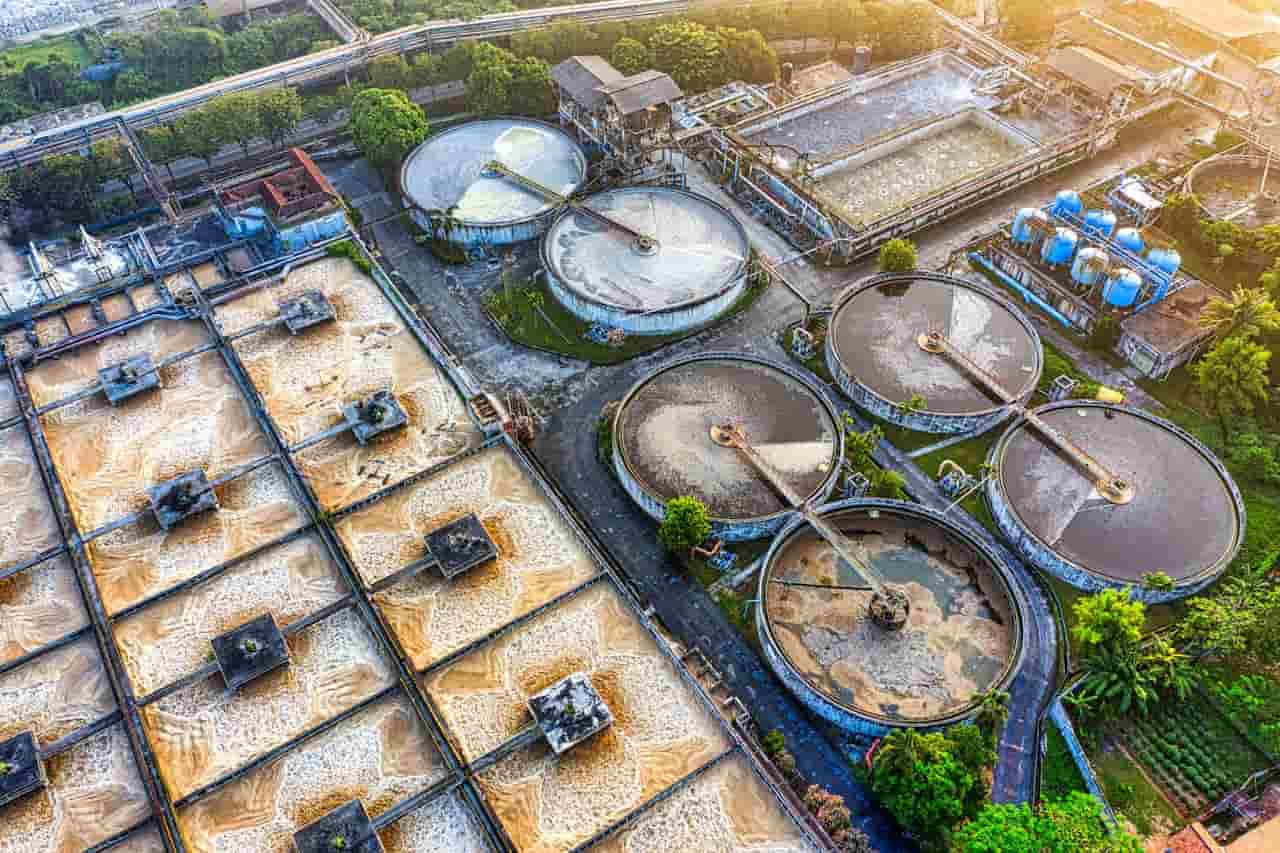
While large-scale pollution sources like stubble burning and vehicular emissions dominate the conversation, smaller contributors also add up. Wastewater treatment plants and energy production in Delhi account for 1.7% of the pollution, with residential sources (such as the burning of coal or wood for heating and cooking) responsible for 3.6%. These sources may seem small in isolation but play an important role in maintaining the high levels of pollution in the city.
Looking Ahead: What Needs to Be Done
As the AQI breaches the 400 mark and enters the "severe" category, it is clear that Delhi faces a pollution crisis of immense scale and complexity. Experts argue that the city must adopt a more holistic approach that tackles all sources of pollution, from vehicular emissions to stubble burning, industrial waste, and residential activities. For this to happen, both short-term interventions and long-term structural changes are needed.
One immediate solution lies in stricter enforcement of existing regulations, such as the ban on firecrackers, along with greater investments in pollution control technologies. However, true change will only come with a sustained, multi-pronged approach that includes investment in green energy, improved waste management systems, enhanced public transport, and regional cooperation to curb emissions across the National Capital Region (NCR).
Weather Update: A Brief Reprieve for Delhi
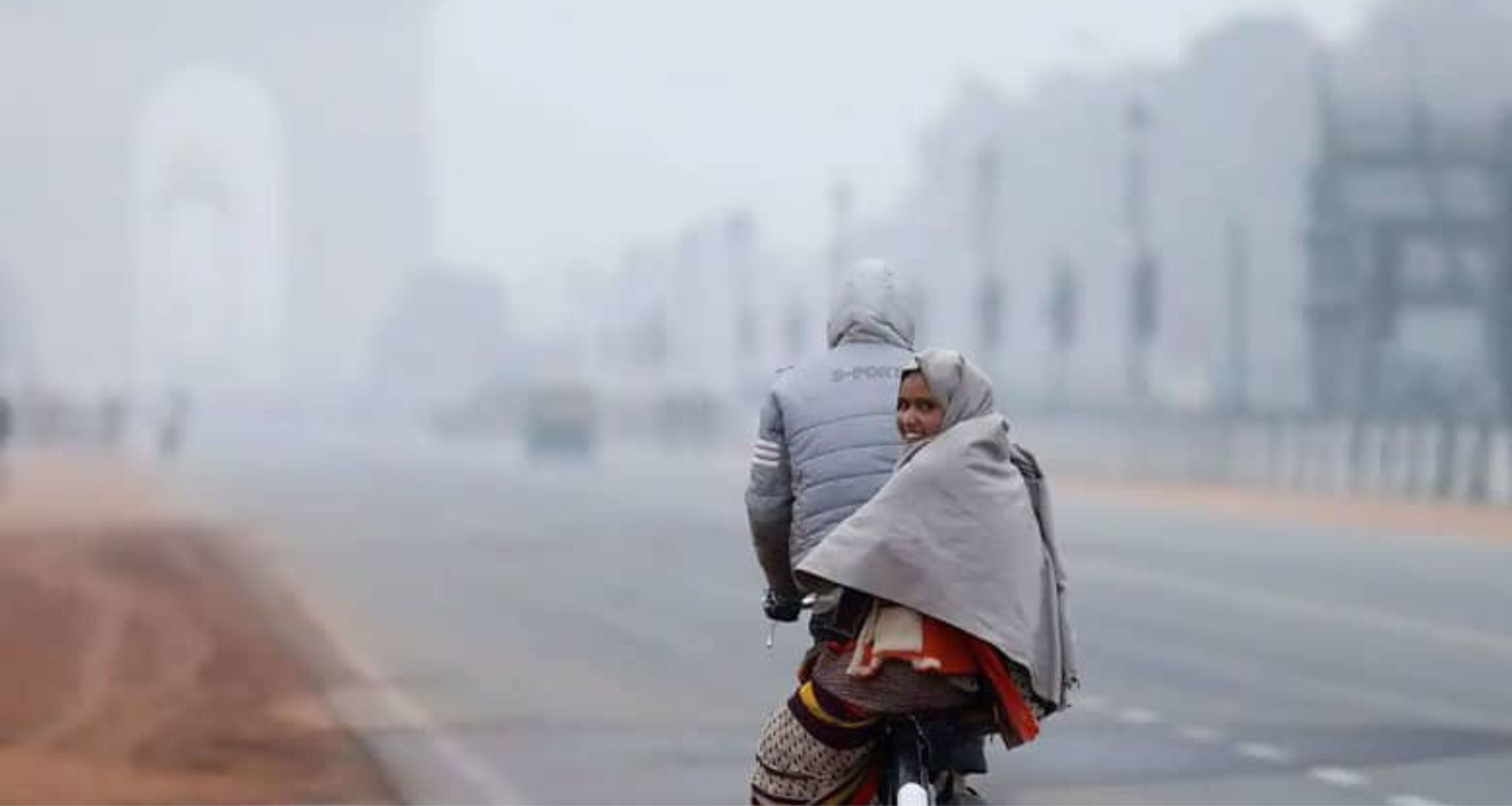
The weather office has forecast mainly clear skies for Tuesday, with the maximum temperature expected to be around 32°C and the minimum around 16°C. While this may provide some temporary relief from the dense smog, it will not be enough to address the deeper environmental issues plaguing the capital.
Delhi’s residents and policymakers must confront the harsh reality of the city’s deteriorating air quality and work together to forge a path toward cleaner air, healthier lives, and a more sustainable future.
....By: My India Times
Updated At: 2024-11-06
Tags: delhi News | My India Times News | Trending News | Travel News
Join our WhatsApp Channel


.webp)




















































.png)
 (1).png)