Home / science / Revolutionizing Taste: Scientists Develop AI-Powered Electronic Tongue That Mimics Human Senses
Revolutionizing Taste: Scientists Develop AI-Powered Electronic Tongue That Mimics Human Senses
By: My India Times
3 minutes read 93Updated At: 2025-01-23
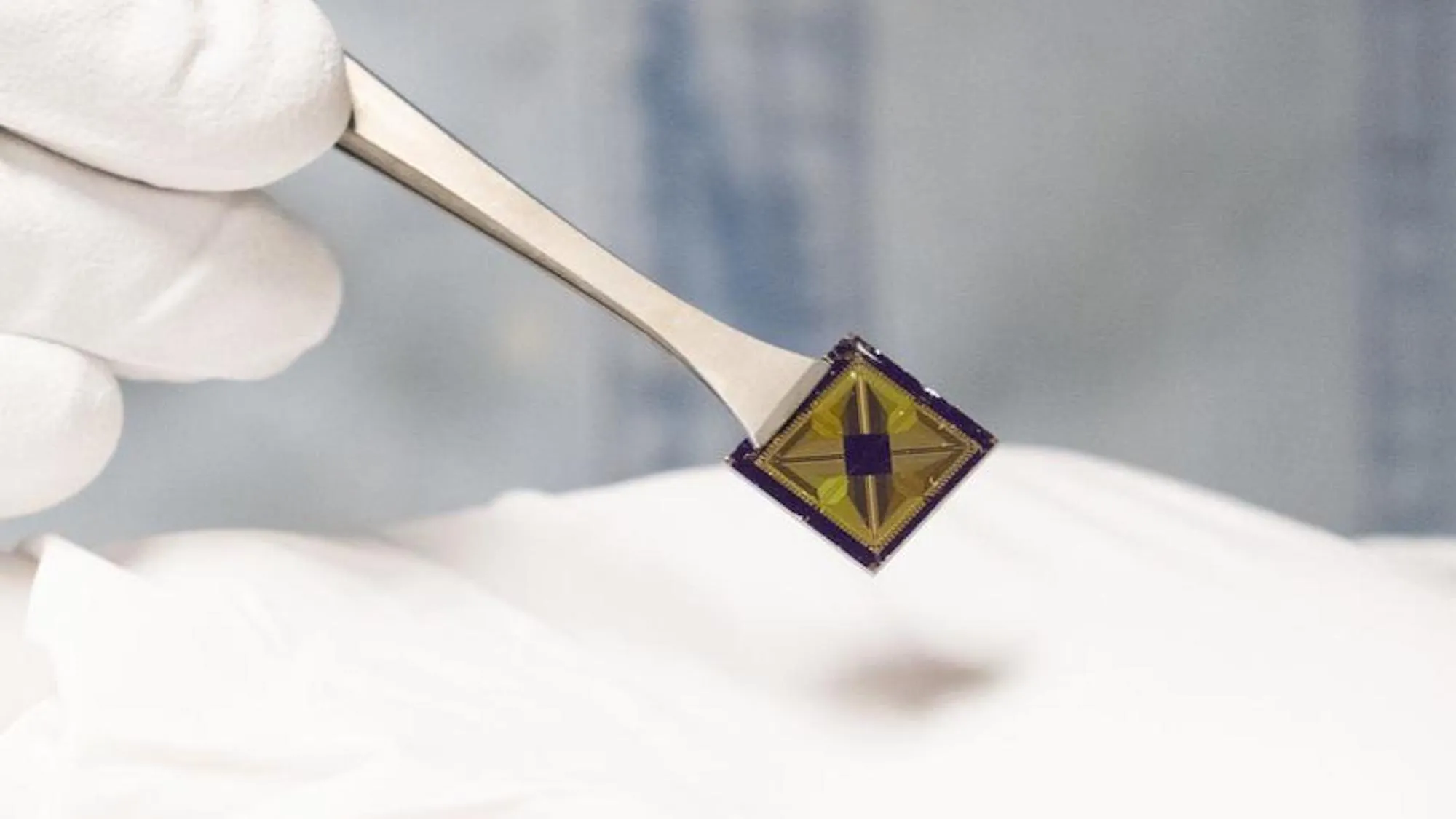
In a groundbreaking innovation, researchers at Penn State University have developed an advanced artificial tongue capable of mimicking the human ability to taste. This AI-driven electronic tongue has the potential to transform food safety, beverage quality control, and even pharmaceutical manufacturing by delivering accurate, real-time results.
The new system doesn’t just identify tastes—it can also detect harmful substances in liquids, spoilage in consumables, and chemical compositions with exceptional precision. By combining cutting-edge sensor technology with artificial intelligence, this device offers a revolutionary leap in quality control and public health safety.
How the Electronic Tongue Works
At the core of this innovation is an ion-sensitive field-effect transistor (ISFET). This advanced sensor detects chemical ions in liquids and converts the data into electrical signals. These signals are processed by a neural network—an AI model inspired by the way the human brain interprets sensory input.
According to the researchers, the system replicates how our natural taste buds work in harmony with the brain. Just as our tongue sends signals to the gustatory cortex to help us perceive flavors, this device translates chemical data into actionable insights.
By combining AI with this sophisticated hardware, the electronic tongue can achieve a nuanced understanding of chemical properties in liquids, far beyond what traditional tools offer.
Real-World Testing: Accuracy Beyond Expectation
The researchers tested the device on a range of real-world samples, showcasing its versatility. Here are some remarkable findings:
- Coffee Blends: The tongue could distinguish between subtle differences in coffee blends, helping to ensure consistent flavor quality.
- Spoiled Drinks: It successfully detected spoiled fruit juice, identifying changes in chemical composition caused by decay.
- Diluted Milk: The device easily identified diluted milk, a common concern in the dairy industry.
- Contaminants in Water: The electronic tongue detected per- and poly-fluoroalkyl substances (PFAS), harmful chemicals often found in contaminated water supplies.
These findings highlight the device’s accuracy and adaptability in tackling real-world challenges across industries.
Applications Across Industries
The versatility of this artificial tongue opens doors to a range of applications:
Food Quality Control
The food and beverage industry relies heavily on accurate testing to ensure freshness and safety. This electronic tongue offers a faster, more reliable method to assess spoilage, contamination, or flavor consistency.
Water Safety
Contaminated water is a major public health concern worldwide. The ability to detect PFAS and other harmful substances could provide a significant boost to water safety efforts, protecting communities from exposure to hazardous chemicals.
Pharmaceutical Manufacturing
In the pharmaceutical sector, precise chemical formulations are critical. The electronic tongue’s ability to analyze liquid compositions ensures adherence to strict manufacturing standards, reducing errors and improving product safety.
A Step Toward Safer and Smarter Systems
The AI-powered electronic tongue is more than a scientific breakthrough—it is a practical solution to pressing challenges in multiple industries. Its ability to detect contaminants, monitor spoilage, and ensure chemical precision offers businesses a powerful tool to maintain quality and safety.
This innovation is also a step forward in addressing public health concerns. By identifying harmful chemicals in drinking water or detecting unsafe levels of contamination in consumables, the electronic tongue could help prevent diseases and improve global health outcomes.
Beyond safety, the technology’s precision in analyzing flavor and quality could redefine customer satisfaction in industries like coffee production, soft drinks, and dairy. Imagine a world where every cup of coffee tastes just as intended, or where food safety is guaranteed before products reach the shelves.
The Future of Artificial Taste
The electronic tongue represents a glimpse into the future, where AI and sensor technology combine to solve complex problems. With further advancements, this innovation could become a staple in industries ranging from food production to pharmaceuticals, paving the way for smarter, safer systems.
As researchers continue to refine the device, the possibilities are endless. From improving the safety of what we consume to assisting in scientific research, the artificial tongue may soon become one of the most impactful tools of the modern era.
By blending human-like sensory capabilities with artificial intelligence, this breakthrough reminds us of the immense potential of technology to improve lives—and even taste.
....By: My India Times
Updated At: 2025-01-23
Tags: science News | My India Times News | Trending News | Travel News
Join our WhatsApp Channel




















































































.png)
 (1).png)