Home / maharashtra / Maharashtra Election Chaos: Seat-Sharing Formula R
Maharashtra Election Chaos: Seat-Sharing Formula R
By: My India Times
4 minutes read 103Updated At: 2024-11-09

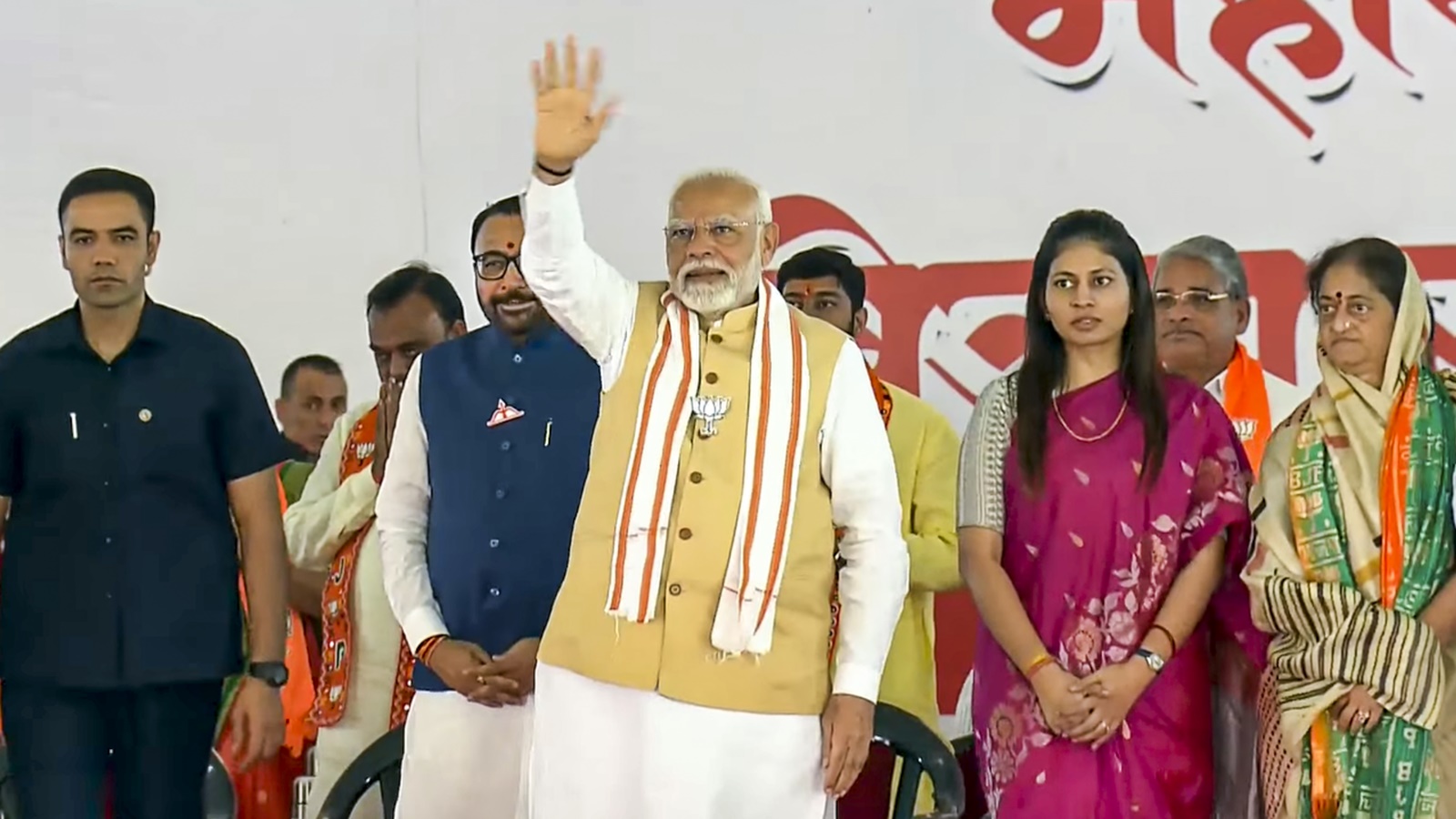
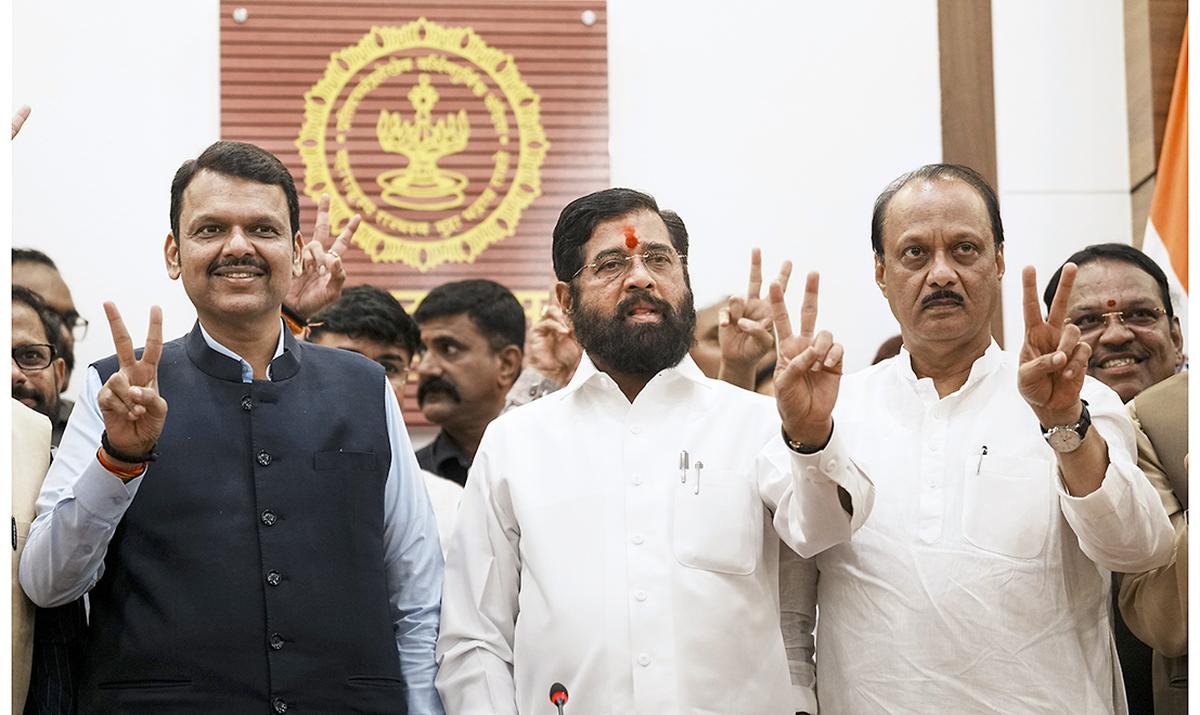
Mumbai, Maharashtra — As the Maharashtra Assembly election season heats up, the state is witnessing a whirlwind of uncertainty and drama. The final day for filing nominations on October 29, 2024, revealed deep divisions within both the ruling Mahayuti alliance and the opposition Maha Vikas Aghadi (MVA), as neither coalition has yet finalized its seat-sharing arrangements. With only days left before candidates can withdraw their nominations, the political scene is brimming with tension, and the clarity everyone’s waiting for might not come until after Deepavali on November 4.
Both major political alliances in Maharashtra are scrambling to come to terms with internal disagreements over how seats will be distributed. The Mahayuti alliance, comprising the Bharatiya Janata Party (BJP) and its allies, and the MVA, including Shiv Sena (Uddhav faction), NCP, and Congress, are under pressure to strike deals that will determine the fate of their candidates in the upcoming state elections.
While the alliances have been in talks for weeks, infighting and last-minute changes have left candidates and party members in the dark. As the deadline to withdraw nominations looms large, political leaders have begun to publicly admit that full seat-sharing clarity may only emerge after the festivities of Deepavali. The suspense surrounding the alliances’ negotiations has created significant political uncertainty, with many party workers left anxious about whether they’ll have a chance to contest elections under the banner of their respective parties or coalitions.
Deepavali Deadline for Clarity
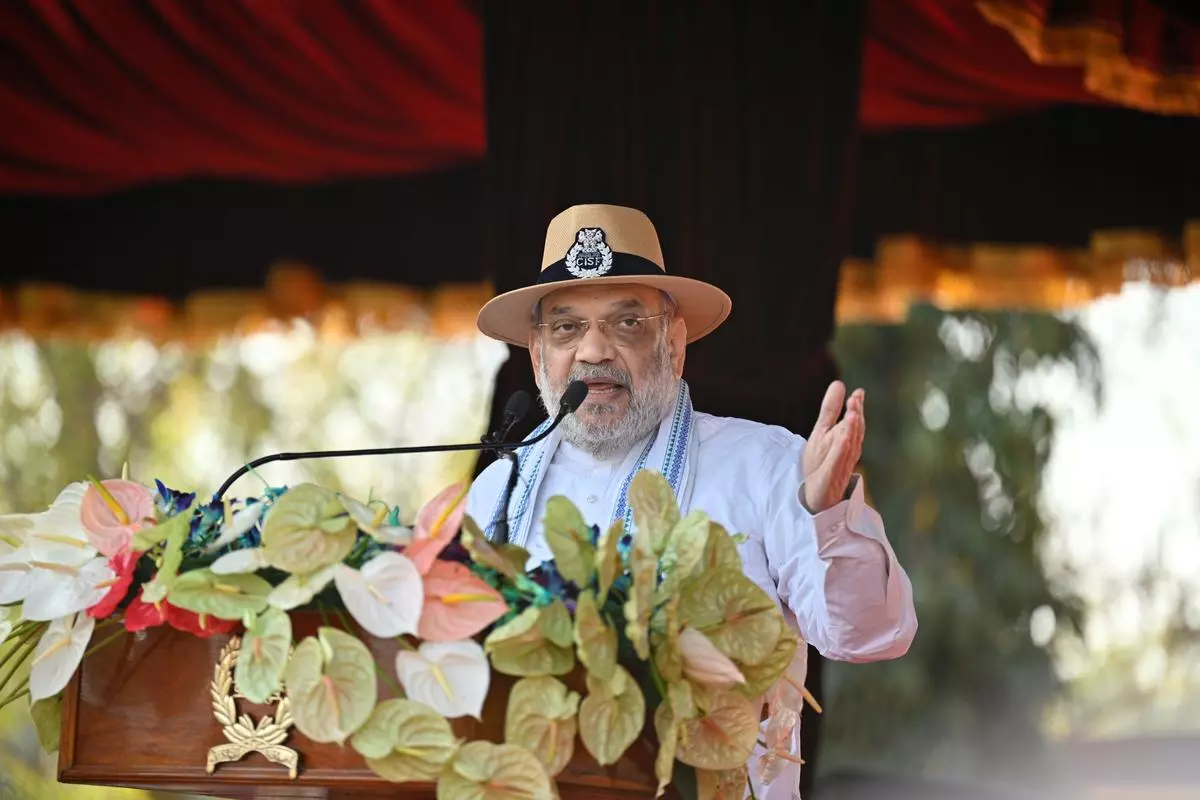
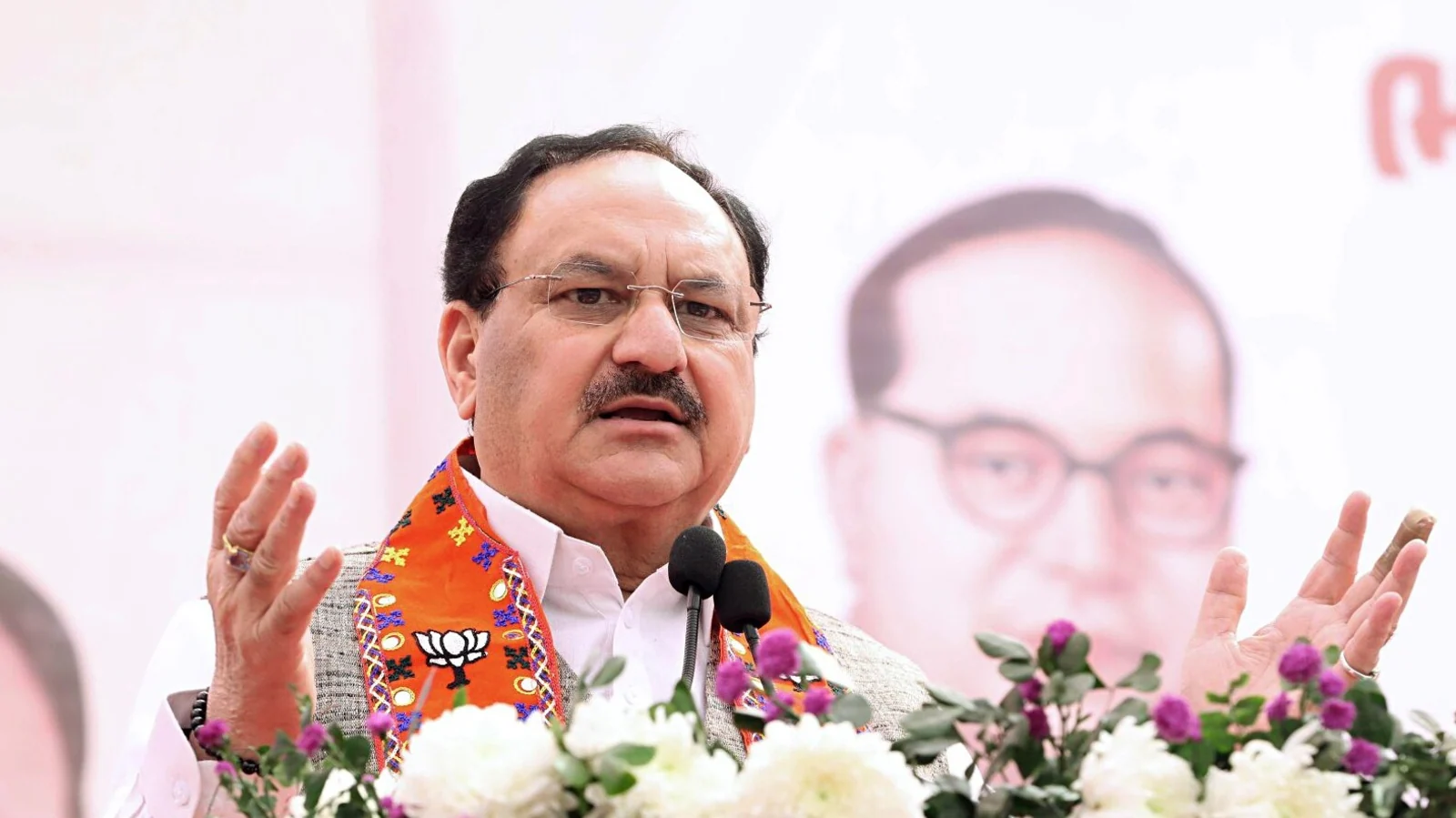
Union Home Minister Amit Shah, in a recent speech, acknowledged the confusion within the political circles of Maharashtra and suggested that the ongoing seat-sharing issues would be addressed after the festival of lights. Sources within both the ruling and opposition alliances confirmed that leaders have now shifted their focus to resolving these internal conflicts, but with the clock ticking towards the November 4 deadline for withdrawal, the final outcomes are expected to be a last-minute scramble.
The Battle for Maharashtra's Political Future
The stakes in Maharashtra’s upcoming Assembly elections are high, with the state’s political future hanging in the balance. As one of India’s most important states, Maharashtra plays a crucial role in the country’s political landscape, and these elections are likely to have a ripple effect on national politics. With both alliances struggling to reach an agreement on how to split the seats, the focus is now shifting to whether they can find common ground before the withdrawal deadline.
The state’s electorate is keenly watching this process, with both alliances seeking to balance their internal power structures and address the growing demand for leadership that will tackle key issues like employment, infrastructure, and regional development. However, political analysts suggest that this seat-sharing debacle could ultimately weaken the strength of both coalitions, leaving voters questioning the alliances' ability to deliver meaningful governance.
Maharashtra's Technological Leap: Birth and Death Registration App
In a different but equally significant move, Maharashtra’s governance has also seen progress in technology integration. On the same day as the chaos surrounding the seat-sharing issues, Union Home Minister Amit Shah launched the Civil Registration System (CRS) mobile application, aimed at streamlining the birth and death registration process across the state. This app is part of the government's initiative to simplify administrative tasks by utilizing technology to create an accessible and efficient registration system for all citizens.
The CRS app promises to make it easier for families to register births and deaths in Maharashtra, cutting down on bureaucratic delays and offering a more transparent and user-friendly process. Shah praised the initiative, emphasizing how technology can bridge gaps between the government and citizens, making services more accessible.
While the political landscape is currently embroiled in uncertainty and confusion over election seat-sharing, the launch of the CRS mobile app signals the state’s continued push towards digital governance. This move is expected to benefit Maharashtra’s citizens significantly, offering convenience and reducing the potential for fraud and errors in registration.
What’s Next for Maharashtra’s Political Landscape?
With just a few days remaining until the withdrawal deadline, political observers are watching closely to see how both the ruling and opposition alliances will resolve their seat-sharing disputes. The race for Maharashtra's leadership has only just begun, and how the alliances present themselves to voters will be crucial to their chances of success.
The Mahayuti and MVA coalitions are expected to hold intense talks in the coming days, with political insiders suggesting that last-minute compromises and tactical seat-sharing adjustments will likely define the final outcomes. However, these internal disagreements might also work to the advantage of smaller parties and independent candidates who are capitalizing on the chaos within the major alliances.
As Maharashtra moves closer to election day, the question remains whether these last-minute seat-sharing maneuvers will help stabilize the alliances or lead to further fragmentation in the state’s political landscape. While political leaders scramble to secure their positions, citizens are left to wonder whether this drama will translate into effective governance once the elections are over.
In the meantime, the launch of the CRS mobile app stands as a testament to the state's commitment to integrating technology into its governance, signaling a brighter future for digital public services even as political turbulence continues.
....By: My India Times
Updated At: 2024-11-09
Tags: maharashtra News | My India Times News | Trending News | Travel News
Join our WhatsApp Channel


1732792223-0.jpg)
.jfif)




















.png)
 (1).png)