.webp)
Home / crime / Cyber Fraud Has Become Organised Crime, Young Adults and Lawyers Being Pulled In: Kerala High Court
Cyber Fraud Has Become Organised Crime, Young Adults and Lawyers Being Pulled In: Kerala High Court
By: My India Times
4 minutes read 7Updated At: 2026-07-15

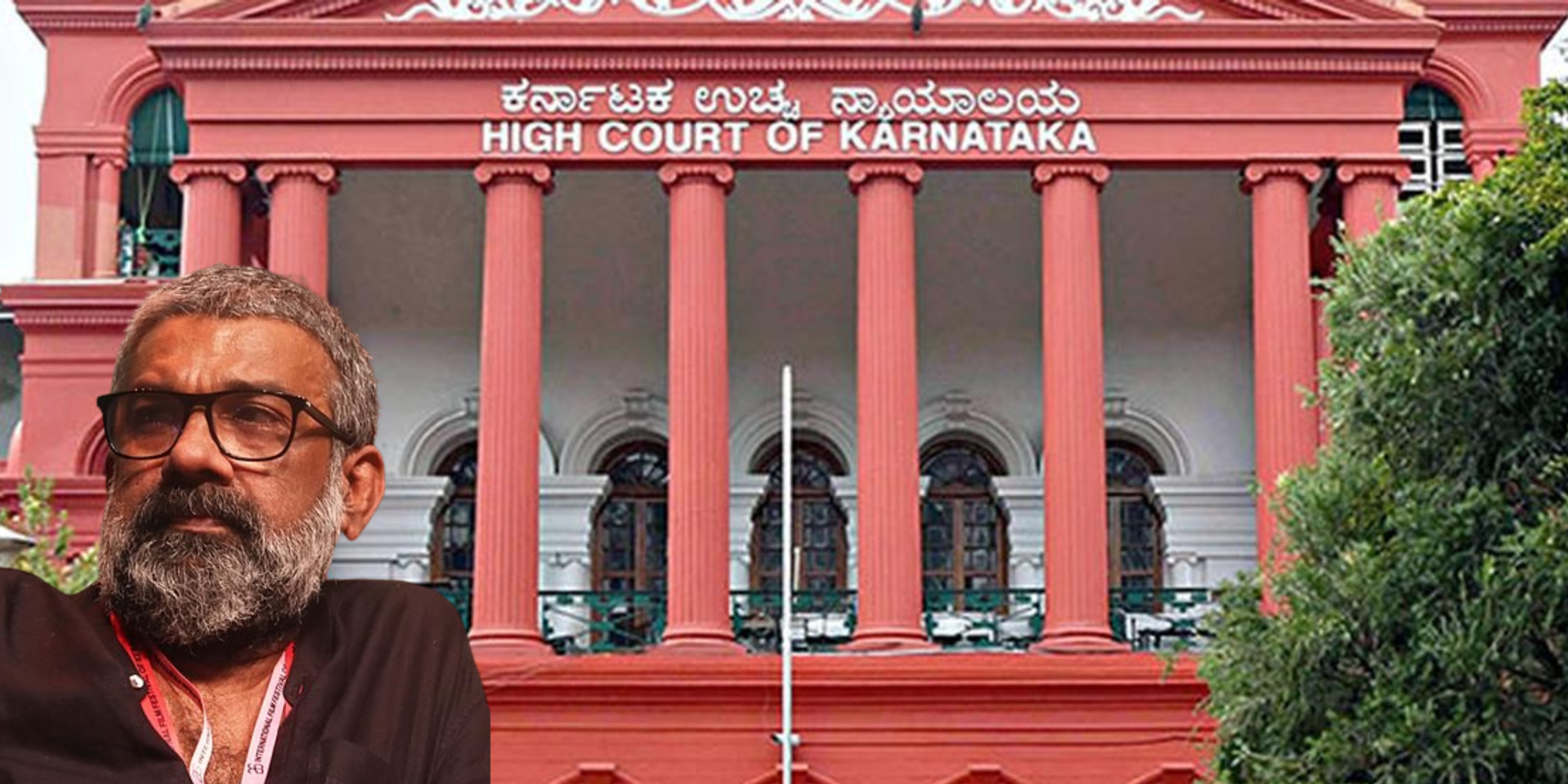
The Kerala High Court, which describes cyber fraud as an organized criminal activity that is progressively luring young individuals into its network, has issued a strong warning over the fast growth of cyber fraud in India. The court also expressed concern that even young lawyers are becoming indirectly involved by frequently filing petitions to unfreeze bank accounts allegedly linked to cybercrime. The court called the rise concerning and emphasized that stronger judicial action and increased public awareness are needed to combat financial cyber crime.
High Court Raises Alarm Over Growing Use of Mule Accounts
During the hearing of a recent case, Justice M.A. Abdul Hakhim observed that cyber fraud has evolved far beyond isolated online scams and now operates through well-organised networks. The court stated that the growing use of "mule accounts"—bank accounts used to accept and move money earned through illegal activities—is one of the main issues facing investigators today.The court observed that many people, especially young adults who have just attained adulthood, are opening several bank accounts and letting criminals exploit them in return for rapid cash gains. Even while the account holders could see it as a simple way to make money, the court made it clear that if their accounts are used to transfer stolen money, they actively participate in the illicit financial chain.
According to Justice Hakhim, these accounts are crucial in assisting cybercriminals in concealing the source of money they have gotten fraudulently, which greatly complicates investigations.
Woman's Plea Rejected, FIR Ordered
The observations came while the High Court was hearing a petition filed by a 21-year-old woman seeking to unfreeze her bank account, which had been blocked during an investigation into suspected financial cyber fraud. The account, maintained with Kerala Gramin Bank, was frozen after cybercrime authorities flagged suspicious transactions linked to an ongoing investigation. During the proceedings, the bank informed the court that police from Madurai had requested restrictions on approximately ₹3.5 lakh that had been transferred into the account.The High Court rejected the woman's plea after reviewing the evidence and ordered the authorities to file a formal complaint against her. The court noted that judicial remedy could not be justified by merely requesting the return of a frozen account without addressing its purported involvement in cybercrime.
The ruling sends a strong message that individuals whose bank accounts are used in financial fraud cannot escape legal scrutiny simply by claiming ignorance.
Court Expresses Concern Over Young Lawyers' Involvement
Apart from addressing the issue of mule accounts, the High Court also highlighted a worrying trend involving members of the legal profession. Justice Hakhim remarked that young lawyers are increasingly filing petitions seeking to unfreeze accounts suspected of being used in cyber fraud cases. While the court did not accuse legal professionals of participating in criminal activities, it cautioned that the growing number of such petitions reflects the expanding reach of organised cybercrime. The court emphasised that the legal system must remain vigilant and ensure that judicial processes are not misused to provide relief in cases involving suspicious financial transactions.According to the court, lawyers have an important responsibility to uphold the rule of law while remaining conscious of the larger impact of financial cybercrime on society.
Technology Has Made Fraud More Sophisticated
The High Court acknowledged that digital banking and online payment systems have transformed everyday financial transactions, making them faster and more convenient. However, the same technological advancements have also created new opportunities for cybercriminals to exploit unsuspecting victims. Fraudsters often divide stolen money into multiple smaller transactions and move it through a chain of bank accounts before withdrawing or transferring it elsewhere. This layered movement of funds makes it difficult for investigating agencies to trace the original source of the money or recover the losses suffered by victims. The court observed that mule accounts have become one of the most important tools used by organised cybercrime networks to disguise illegal financial trails.
Easy Money Can Lead to Serious Legal Consequences
The High Court also cautioned young people against accepting offers that promise quick money in exchange for allowing someone else to use their bank account. Such proposals, often circulated through social media or messaging platforms, may appear harmless but can expose individuals to serious criminal liability. The court stressed that many account holders fail to realise the legal consequences of permitting strangers to use their banking facilities. Once an account becomes part of a cyber fraud operation, its holder may face investigation, account restrictions, and even criminal prosecution.The Kerala High Court's observations are being viewed as a significant reminder that cyber fraud is no longer an ordinary financial offence but a highly organised criminal enterprise. The judgment underscores the need for stronger enforcement, responsible banking practices, greater digital awareness, and increased caution among young people to prevent cybercriminals from exploiting innocent individuals for illegal financial activities.
....Independent reporting, fact-checked analysis and breaking news coverage from India and around the world.
Trusted source for breaking news, business, technology, world affairs, finance, economy, health, sports and market insights from India and around the globe.
Join our WhatsApp Channel


.jpg)






.jfif)



.jfif)































































































.png)
 (1).png)