.webp)
Home / bhopal / Ram Mandir Donation Controversy: Sindhi Community Seeks Answers on 200 Kg Silver Bricks Donated for Ayodhya Temple
Ram Mandir Donation Controversy: Sindhi Community Seeks Answers on 200 Kg Silver Bricks Donated for Ayodhya Temple
By: My India Times
4 minutes read 5Updated At: 2026-06-24

Questions Emerge Over High-Value Silver Donation
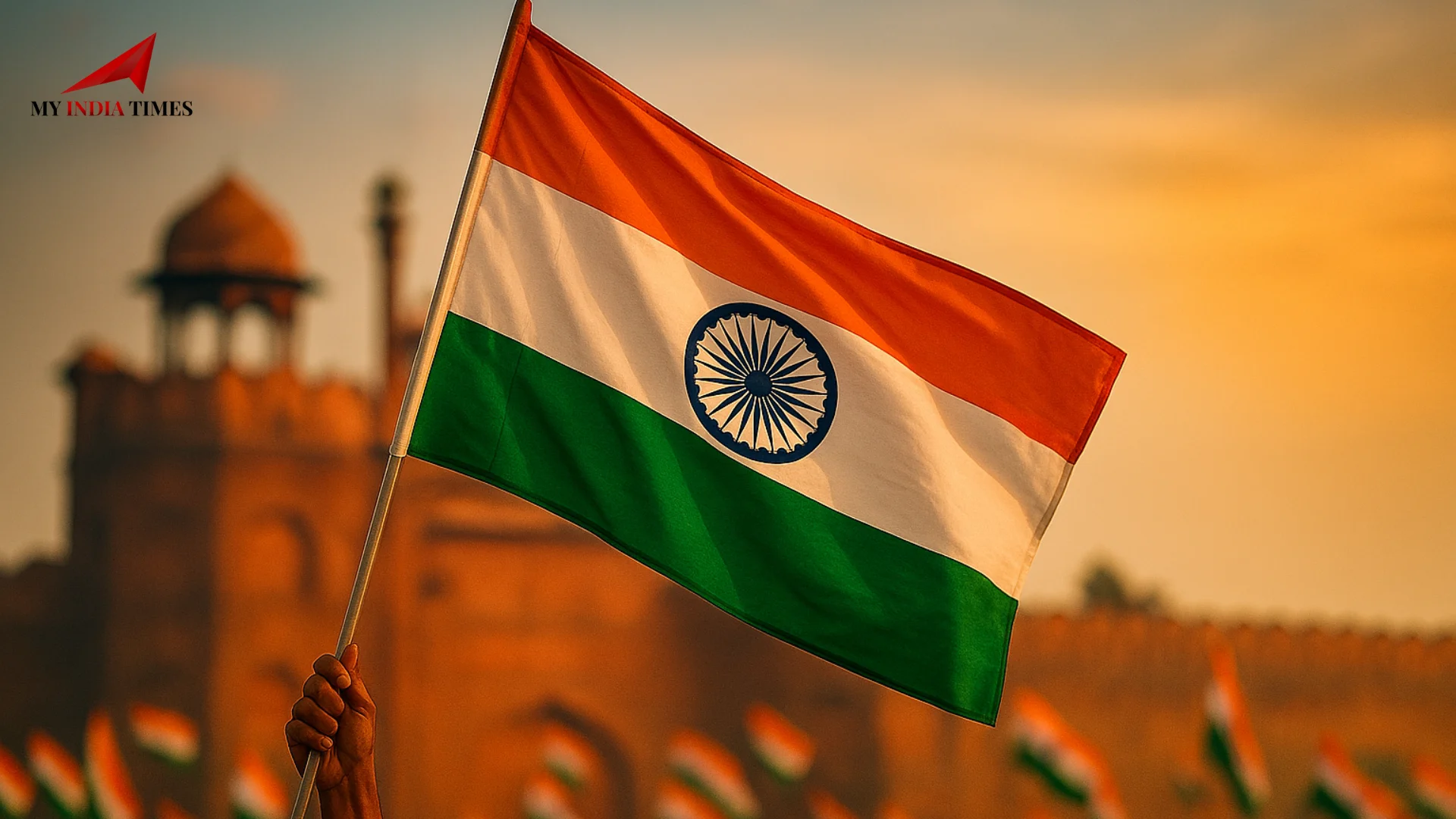
Bhopal/Ayodhya: A prominent Sindhi community organization has requested clarification regarding the use of 200 kilograms of silver that was reportedly donated for the construction of the Ram Mandir in Ayodhya.
Following community representatives' claims that they have not received an official receipt or confirmation outlining the use of the donated silver, the matter has generated debate among devotees.
According to the organization, its goal is to seek transparency regarding a donation made by hundreds of devotees who faithfully and devotedly participated in the fundraising effort, not to stir up controversy.
Donation Campaign United Sindhi Community Across India and Abroad
Members of the World Sindhi Service Sangam (VSSS) claim that the silver donation was planned in 2021 while the temple was being built. A large-scale campaign was started by community leaders to encourage Sindhi families living in various parts of India and abroad to participate.
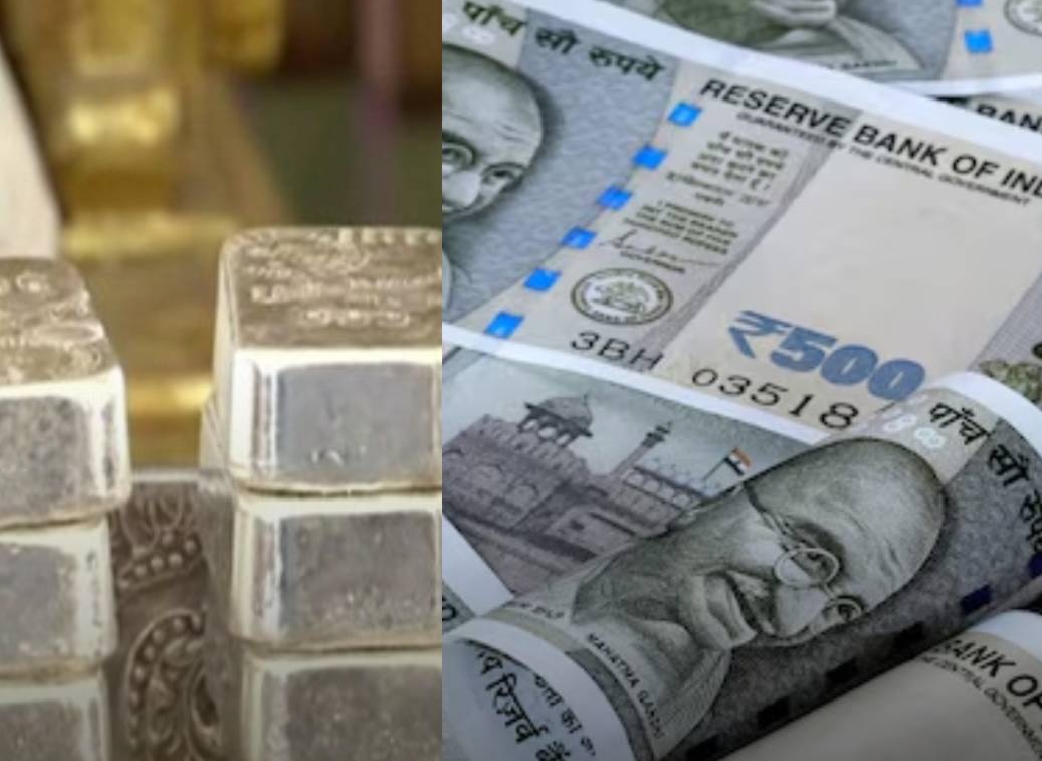
The response was reportedly overwhelming, with nearly 300 individuals contributing according to their capacity. The collected silver was eventually converted into specially crafted silver bricks intended to be presented for the Ram Temple project.
At the time of the donation, the estimated value of the silver was around ₹1.5 crore. However, with precious metal prices rising significantly in recent years, community representatives estimate that the current market value of the contribution could be several crores higher.
Silver Bricks Handed Over in Ayodhya Ceremony
Representatives of the organization claim that the silver bricks were formally handed over during a ceremony held in Ayodhya. Members who attended the event say temple officials and community leaders were present when the donation was submitted.
Each silver brick weighed about one kilogram and had engravings related to Sindhi religious heritage, including symbols associated with the revered deity Jhulelal, according to those involved.
Photographs and video recordings of the event were reportedly preserved by participants as evidence of the donation. Before the silver was used in the temple project, organizers claim they were told it would go through purity and verification tests
Receipt Never Issued, Community Leaders Claim
The central concern raised by the organization revolves around documentation. Community leaders allege that they were assured an official receipt would be provided once the authenticity and purity of the silver were verified.
However, despite repeated follow-ups over several years, they claim no formal acknowledgment or official record has been shared with them. As a result, donors who contributed to the initiative have increasingly sought answers regarding the status of the donation.
Members say that while photographs and videos confirm the handover, they have been unable to provide contributors with official paperwork verifying the acceptance and utilization of the silver.
Devotees Want Transparency, Not Confrontation
Community representatives have emphasized that their request should not be interpreted as an accusation against any individual or institution. Instead, they describe it as a legitimate inquiry from donors who wish to understand how their contribution was used.
According to organizers, devotees donated the silver believing it would become part of one of India's most significant religious projects. Many contributors now hope to receive information about whether the silver was incorporated into the temple structure, preserved by the trust, or utilized in another approved manner.
They argue that transparency would strengthen trust and reassure contributors that their donations were used as intended.
Claims About Intended Use of the Silver
Some members associated with the donation campaign claim they were initially informed that the silver bricks could be used in a prominent area of the temple complex, including near the main entrance.
However, community representatives say they never received any subsequent update confirming whether that proposal was implemented. This lack of communication has fueled curiosity among donors regarding the final destination of the silver.
Several members believe the silver may have been melted and used in construction-related work, though they acknowledge that this remains speculation until an official explanation is provided.
Larger Debate on Donation Accountability
The controversy has also highlighted broader questions about accountability and record management for large religious donations. Experts note that when contributions involve valuable assets such as gold, silver, or other precious materials, detailed documentation and communication become especially important.
Transparent record-keeping not only protects institutions from misunderstandings but also helps maintain the confidence of devotees and donors who contribute to major religious projects.
Community Awaits Official Clarification
For now, members of the Sindhi community say they are simply seeking clarity. They hope an official statement or documented explanation will resolve concerns and provide a clear account of how the donated silver was utilized.
As interest in the matter grows, community leaders maintain that their focus remains on transparency, accountability, and respect for the sentiments of hundreds of devotees who contributed to the initiative.
....Independent reporting, fact-checked analysis and breaking news coverage from India and around the world.
Trusted source for breaking news, business, technology, world affairs, finance, economy, health, sports and market insights from India and around the globe.
Join our WhatsApp Channel































































.png)
 (1).png)